San Miguel de Allende is getting a very different kind of Sunday visit. President Claudia Sheinbaum is scheduled to arrive for a federal event centered on Indigenous communities and a new push under Mexico’s “Plan de Justicia.” The stop is set for late morning, but the bigger questions are about what comes after the microphones: which communities are included, what commitments are on the table, and how the plan could reshape long-running land and service demands in the region.
A Sunday visit focused beyond the historic center
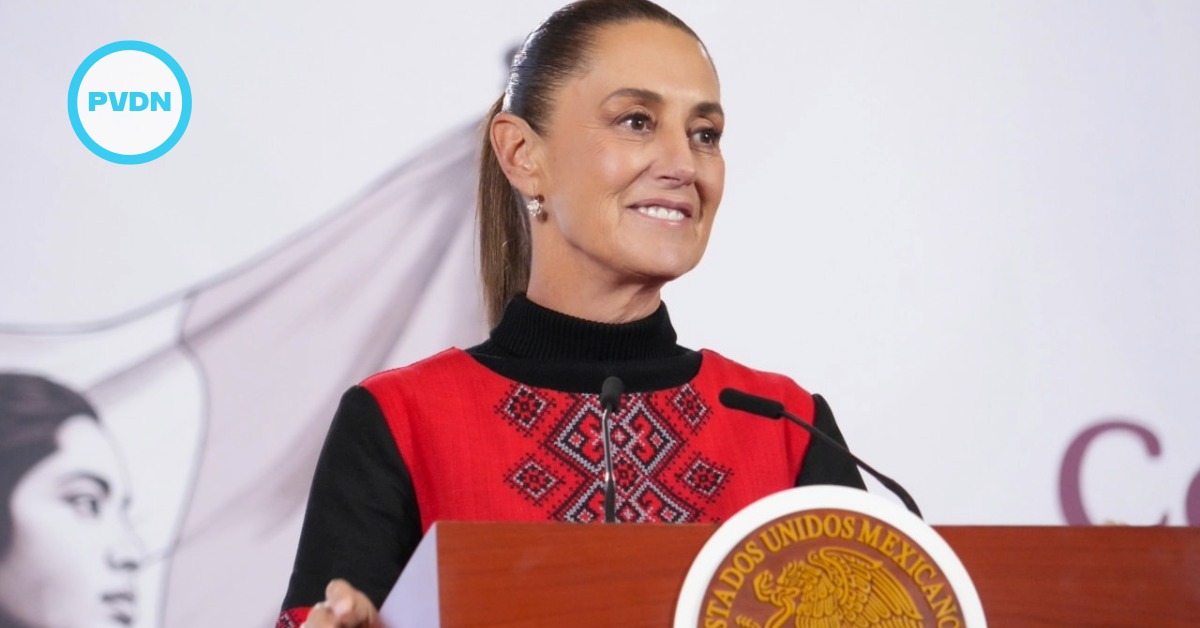
President Claudia Sheinbaum is scheduled to be in San Miguel de Allende on Sunday, January 18, for an event focused on Indigenous communities in the Bajío region and the federal “Plan de Justicia” initiative. The appearance is set for 11:00 a.m. and is expected to bring together community representatives and federal officials to formally present the Plan de Justicia for the Chichimeca-Otomí people of northeast Guanajuato and the semidesert region of Querétaro.
The event is planned for Cruz del Palmar, a community within the San Miguel de Allende municipality. While the city is best known internationally for its colonial center, art scene, and expat life, this stop shines a spotlight on the rural and Indigenous reality that lies just outside the postcard version of town.
What the Plan de Justicia is meant to deliver
In Mexico’s current framework, “Plans of Justice” are designed as long-term, territorial commitments shaped through dialogue with Indigenous authorities and communities. In official federal descriptions, these plans are framed as a form of historical redress—meant to turn recognition of rights into practical actions that can be tracked over time, often involving coordination across multiple federal agencies.
For the Chichimeca-Otomí plan being presented in San Miguel, the stated emphasis is on strengthening community wellbeing and advancing access to basic services, alongside broader commitments tied to rights, territory, and development. Sunday’s event is expected to serve as both a public rollout and a checkpoint for what has been promised, delivered, and what comes next.
Why it matters in San Miguel right now
For residents—Mexican and foreign alike—San Miguel often feels like a city powered by tourism and real estate. A presidential visit centered on Indigenous justice highlights a different San Miguel: one connected to longstanding regional demands around services, land, and recognition, and to the communities that have historically had the least leverage in how development unfolds.
It also signals where federal attention is being directed this weekend: not toward a ribbon-cutting in the center, but toward a policy agenda that is explicitly social, rights-based, and community-led in its stated goals.