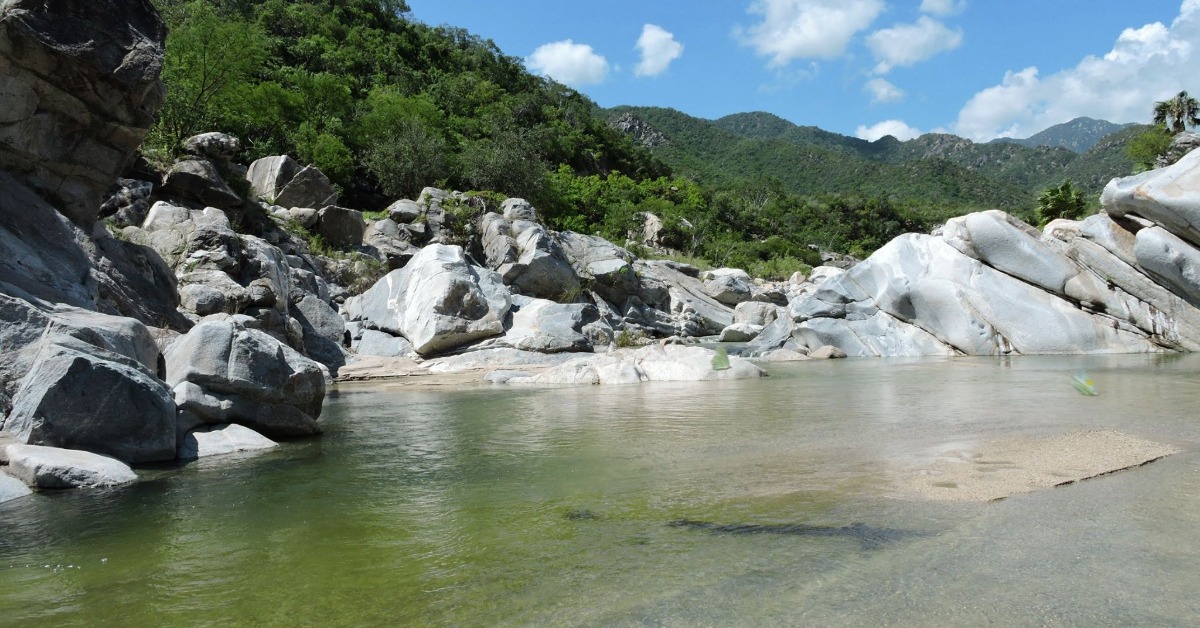
The Sierra de la Laguna isn’t just a skyline. It’s where much of southern Baja California Sur’s water begins—fog, rain, and cloud moisture captured by a high, cool massif that feeds the aquifers below. This week, environmental advocates repeated a warning that has echoed for years: the “water tank” of the state is at risk, and federal agencies must step in. Meetings are being organized in Todos Santos to press that case directly.
Scientists and land managers have long described the Sierra de la Laguna as the primary catchment and recharge zone for the south of the peninsula. UNESCO estimates the reserve supports most of the water supply for La Paz and Los Cabos—home to the state’s largest and fastest-growing populations. In plain terms: if the Sierra’s hydrology is damaged, taps run dry on the coast.
Local data backs the urgency. Recent figures attributed to Mexico’s water authority show 22 of 39 aquifers statewide running a deficit, with more water pumped than nature can put back. In Los Cabos, three of five aquifers are described as overexploited, part of a statewide annual shortfall of roughly 105 million cubic meters. Those numbers translate to real stress on wells, rising salinity, and tighter rationing.
Sierra de la Laguna water tank at risk
Thursday’s call to action focused on two fronts. First, activists want a firmer federal hand on land-use and water enforcement around Todos Santos and the Pacific corridor, where real-estate pressure and irrigated agriculture have expanded faster than basic water infrastructure. Organizers say they plan to bring that message to federal officials in Todos Santos, arguing that local aquifers can’t keep pace with demand.
Second, they want lasting clarity on mining inside and around the reserve. The open-pit gold project known as Los Cardones has repeatedly resurfaced over the past decade despite presidential pronouncements against it. In 2024, the Environment Ministry (Semarnat) moved to nullify a 2014 environmental authorization after a community challenge. Legal questions remain over concessions, but the thrust is clear: a mine sited in a recharge zone conflicts with the region’s water security.
For residents, the crisis isn’t abstract. Coastal neighborhoods, especially in Los Cabos, have lived through rolling shortages and pricey water deliveries, even as resorts and golf courses advertise water-heavy amenities. Reporting last winter captured the split starkly: tourists with abundance, workers with empty cisterns. Desalination has helped at the margins, but capacity still lags the population curve.
The mismatch isn’t only local governance. Mexico’s new national water strategy highlights a push to review concessions, cut abuse, and build the infrastructure that parched regions need. That plan matters here—Baja California Sur sits at the crossroads of drought, growth, and a fragile groundwater system. Activists say the Sierra should be the starting line for any federal fix.
What “federal action” could look like
Advocates in Todos Santos and neighboring ranch communities are asking for practical steps: stricter aquifer controls from Conagua, tighter oversight by federal environmental agencies on projects that alter dunes, drain wetlands, or pierce recharge soils, and an unequivocal position that industrial mining has no place in a biosphere reserve. The Conagua datasets support a conservative approach: several Los Cabos units show stressed balances, and La Paz has documented salinity concerns tied to drawdown and seawater intrusion.
Todos Santos has become a symbol because it sits between a booming tourism coast and the mountain that feeds it. Development dollars chase ocean views; ranching families and long-time residents watch wells fall and trucked water prices rise. The meetings activists plan are meant to cut through a familiar loop—municipal approvals first, strategic water planning later. Without groundwater to match permits, they argue, the coast will keep borrowing against a finite savings account in the Sierra.
The broader choice is political. Baja California Sur can keep chasing growth on the promise of future desal plants and transfers, or it can align its permits with what the Sierra and aquifers can sustainably give—the first path bets against geology. The second begins with protecting the mountain that fills the state’s tanks—and treating that function as a public trust.