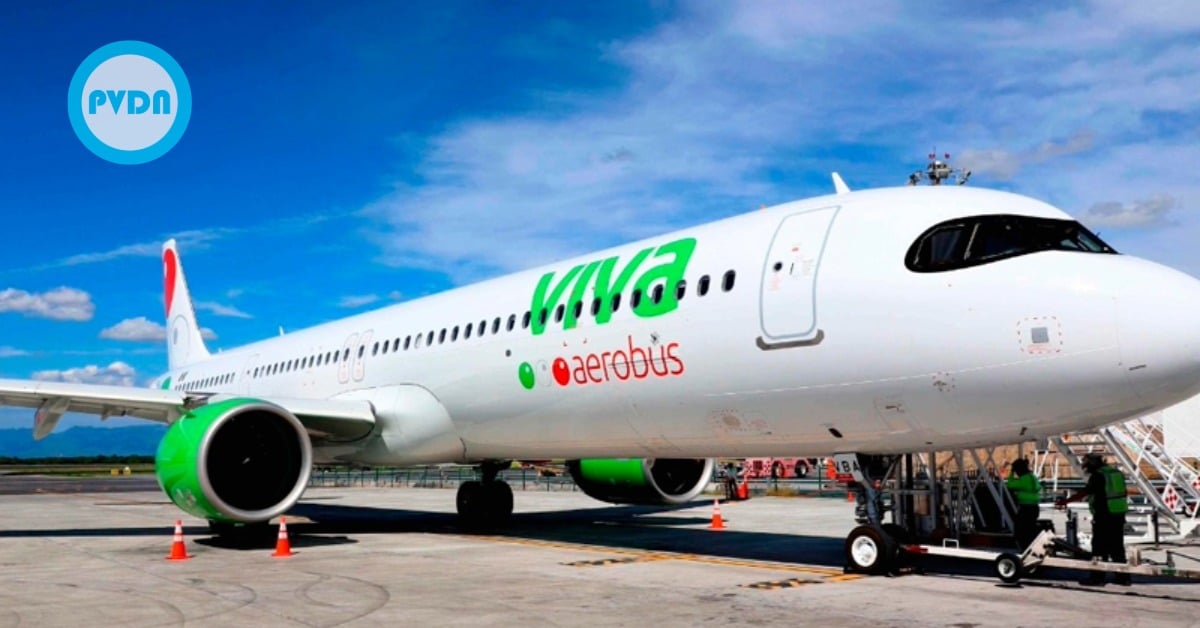
San Luis Potosí is trying to bring back its beach escape. After TAR’s sudden pullout in July cut the nonstop link to Puerto Vallarta, the state’s economic chief says talks with Viva Aerobus are in advanced stages to restore the route and add more options. Officials point to strong demand and recent wins on new U.S. routes from SLP. Nothing is signed yet, but the direction is clear: cheaper, simpler weekends in Vallarta could be back on the calendar soon.
SLP Puerto Vallarta route
San Luis Potosí is courting Viva Aerobus to restore its direct link to Puerto Vallarta, a route local travelers lost when TAR Aerolíneas closed its San Luis Potosí station in July. On Wednesday, Sept. 17, Jesús Salvador González Martínez, head of the state’s Economic Development Ministry (Sedeco), said the government is working with Viva to bring the flight back. He noted recent demand trends support the move.
The pitch rests on a clear gap. TAR had flown SLP–PVR; when it exited, the nonstop vanished, and agencies reported a drop in Vallarta bookings from San Luis. Multiple outlets have since reported advanced talks to revive the connection, with Viva named as the frontrunner.
A broader connectivity push is also at play. Since mid-year, San Luis Potosí has leaned on new and strengthened routes—especially to the United States—to keep travelers moving. That momentum, state officials argue, shows the market can support a beach flight again.
Why Viva Aerobus is in the mix
Viva already has a sturdy footprint in Puerto Vallarta, where it has rolled out and promoted new services from central Mexico, including expansions tied to Mexico City’s AIFA and other origin points. That network depth matters: adding SLP–PVR would plug a clear leisure-market hole with a carrier that already has aircraft, crews, and sales channels focused on Vallarta.
Back in San Luis Potosí, the airport’s 2025 traffic is trending up, helped by new international options and steady domestic demand. The operator’s published route map shows today’s mix: Aeroméxico to Mexico City, United to Houston, American to Dallas, Volaris to Tijuana and Cancún, and Aerus to Monterrey and AIFA. Restoring a nonstop to Vallarta would round out that portfolio with an obvious leisure draw.
The TAR exit explains the urgency. The carrier’s July shutdown in SLP erased links to Puerto Vallarta, Monterrey, and Querétaro in one swoop. Local press documented the retreat and its ripple effects on agencies and weekend travel habits. In that vacuum, Aerus stepped up frequencies to Monterrey, but the beach link stayed dark—until now, if negotiations land.
Officials have kept expectations measured. The message this week is progress, not a launch date. Sedeco says talks with Viva are “advanced,” and that other airlines have shown interest, but there’s no schedule yet and no fare guidance. Even so, the direction is unmistakable: state leaders want the Vallarta weekend back, and they’re betting Viva’s low-cost model can make it stick this time.
If the deal closes, San Luis Potosí travelers could get a fast, sub-90-minute hop to the bay—no connection in Guadalajara or Mexico City, no half-day by highway. For Vallarta, it’s more inland demand in the shoulder months and an easier path for families and small businesses moving between the cities. For Viva, it’s a tidy leisure route that fits its network and brand.
Nothing here is guaranteed until a schedule is posted. But after a summer of detours, the signals from Sedeco and Viva suggest the SLP Puerto Vallarta route is closer to a real comeback than a rumor.