Families filled the atrio for a neighborhood fiesta. Fireworks had just ended. Then, gunmen opened fire. By Friday, state prosecutors confirmed a third person had died, deepening the shock that has gripped San Miguel de Allende since the early hours of Monday. Residents planned a silent march in black from El Cardo to the Parroquia, a public demand for peace after a celebration became a crime scene.
San Miguel de Allende fiesta shooting
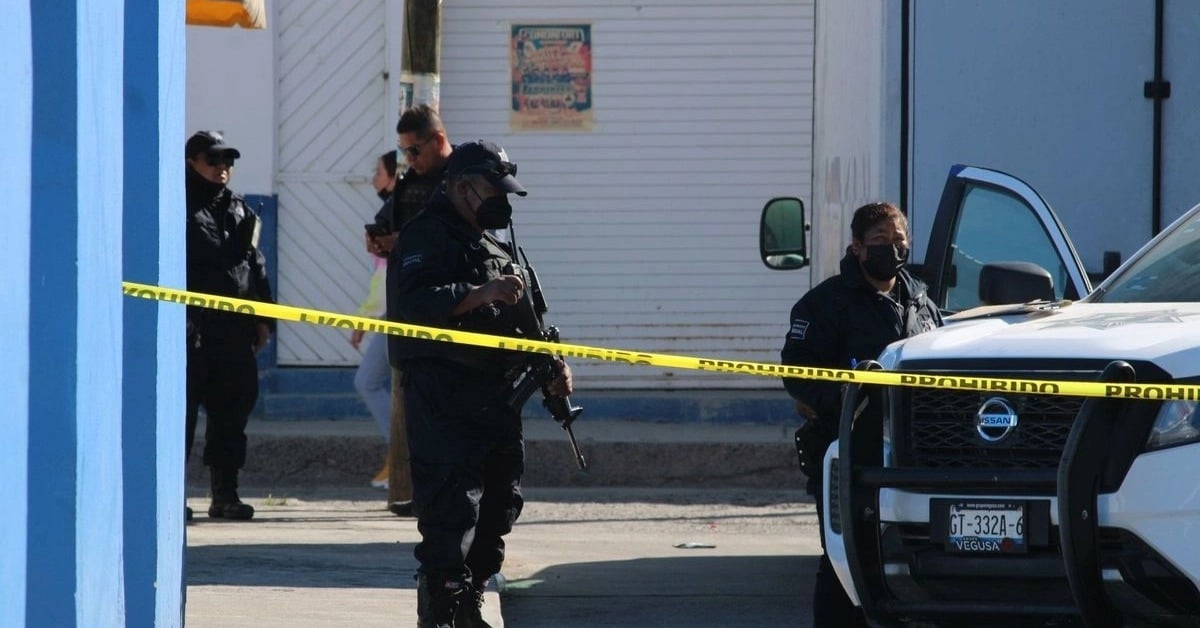
The attack struck the annual celebration for the Virgen de San Juan in Infonavit Malanquín just after midnight on August 18. Prosecutors first reported two men dead and at least 17 people hurt, including two minors. By August 22, the fatality count rose to three as one of the wounded died. Authorities said several victims declined to file complaints, a detail that underscores fear after mass shootings in Guanajuato.
Witness accounts described a burst of gunfire moments after the pyrotechnics. Reporting by El País cited at least eight assailants in military-style clothing, a tactic meant to sow confusion in large crowds. The attack unfolded before hundreds of parishioners and neighbors gathered for a customary barrio fiesta.
Local officials say the assailants were hunting three men with criminal histories. Mayor Mauricio Trejo identified them by their nicknames and said they were the intended targets. Most of the wounded were bystanders. That framing helps explain the brazenness of the assault but does not lessen the trauma for a city that depends on public spaces, processions, and faith-based gatherings.
Community grief becomes civic pressure
By Friday morning, citizens shared calls to march. The route is simple and symbolic: from the Cardo to the Parroquia, the heart of town life. Organizers urged black clothing because “the town is in mourning.” Priests and civic leaders echoed the plea for calm and for accountability from authorities. The message is consistent across flyers and local coverage: San Miguel wants its plazas, atrios, and nights back.
The state prosecutor’s office opened a homicide investigation. As of Friday, it had not publicly announced arrests linked to the shooting. The office did confirm the rising toll and the number of hospitalized victims earlier in the week. The office also said some injured people chose not to give statements, a common hurdle in cases where gunmen act in groups and intimidate witnesses.
A pattern beyond one neighborhood
The San Miguel attack was not an isolated case in Guanajuato. In June and July, gunmen hit other religious festivities in the state, including Irapuato and San Felipe. Those assaults left multiple dead and many more injured. Security analysts point to shifting control lines between CJNG and the Santa Rosa de Lima group, and to local cells striking crowds to send messages to rivals. Residents only feel the shrapnel of that competition.
State authorities have said homicides are trending down this year, yet Guanajuato still accounts for a large share of killings nationwide. That contrast helps explain why each mass attack lands harder. The data shows progress; the reality on the ground keeps interrupting daily life.
The city’s response will set a tone. Residents demand a visible presence at fiestas and a clear plan for crowd security. That includes patrol patterns, road closures, and coordination with parishes and neighborhood committees. It also includes honest communication with victims about support and case status. Those steps are not abstractions in a tourist city. They are a difference between parents letting teens go to a kermés and keeping them home.
Officials framed the attack as a targeted strike against three men with serious records. El País reported authorities are probing ties to CJNG. Those claims matter for investigators. For residents, the bottom line is simpler. People need to trust that when fireworks begin, gunfire won’t follow.