Spider venom research in Mexico reveals compounds that could fight antibiotic resistance and treat heart disorders with new biotech approaches using antimicrobial and neuroactive peptides.
Researchers at UNAM’s Institute of Biotechnology are turning Mexico’s spider diversity into a source of new medical and biotechnological tools. Of the almost 2,300 spider species found in the country, only violin spiders (Loxosceles) and black widows (Latrodectus) pose a health threat. The remaining species, though venomous, harbor compounds that show promise against drug‑resistant bacteria and neurological disorders.
“Our focus is not on the fearsome two genera but on the overlooked majority,” says Iván Arenas Sosa of IBt. He notes that while all spiders produce venom, most pose no risk to people and instead represent an untapped resource for science and medicine.
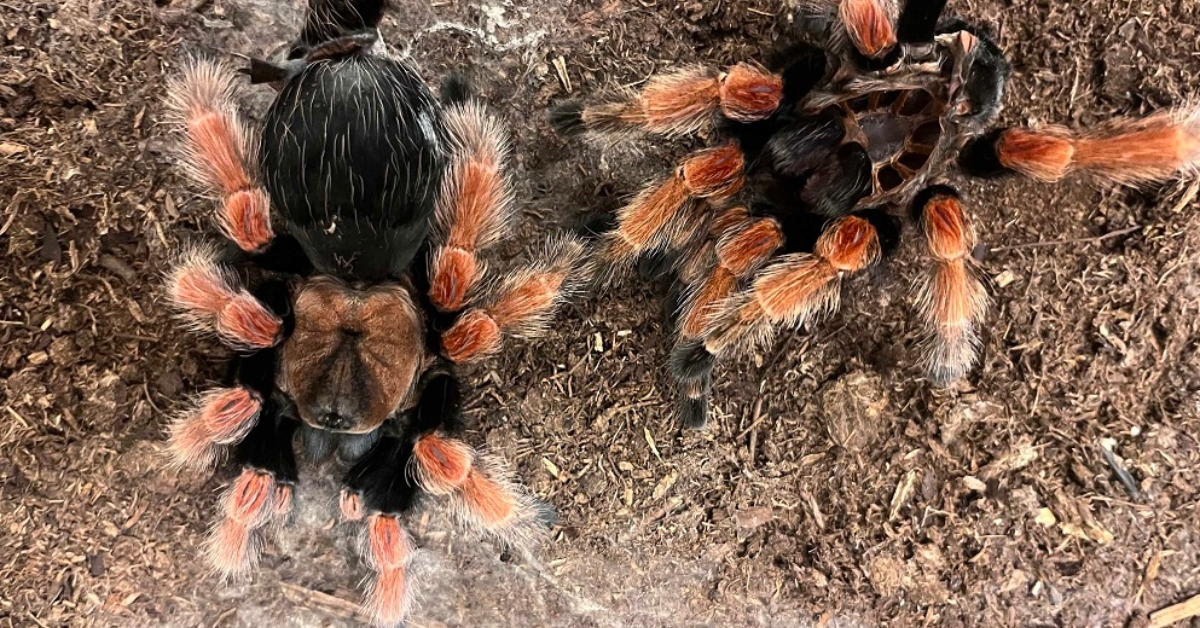
The lab, led by researcher Gerardo Corzo, isolates venom from native tarantulas such as Brachypelma and Aphonopelma species housed in a specialized facility. Once extracted, the venoms are dehydrated and subjected to chemical analysis. Researchers look for acylpolyamines and short peptides that can either block or modulate ion channels, key targets in both bacteria and nerve cells.
One compound that has attracted attention is Osu1, originally identified in a spider species from Kazakhstan. In early trials, Osu1 showed insecticidal activity by blocking a specific potassium channel. Unexpectedly, it also exhibited potential to regulate heart rhythm by acting on the same channel in cardiac tissue. This dual action hints at future applications ranging from eco‑friendly pest control to treatments for arrhythmias.
Collaboration with the El Colegio de la Frontera Sur (ECOSUR) has broadened the search for antimicrobial agents. Together, teams have detected proteins in spiders of the genus Citharacanthus that kill or inhibit the growth of bacteria known to resist conventional antibiotics. With antibiotic‑resistant infections projected to cause up to 10 million deaths annually by 2050, these discoveries could offer new solutions in the fight against superbugs.
Spider venom research advances medical and biotech solutions
Habitat loss and illegal collection threaten native tarantula populations, making conservation a pressing concern. Arenas Sosa warns that without sustainable protections, researchers may lose access to key species before their venoms can be fully studied. He urges policymakers to strengthen habitat preservation laws and to educate the public about the vital ecological role spiders play in controlling crop pests.
Apart from its medical promise, spider venom research highlights the rich biodiversity of Mexico. By balancing conservation with responsible bioprospecting, scientists hope to unlock compounds that address critical health challenges. As Arenas Sosa puts it, “These animals may intimidate at first glance. But their venoms could hold the answers to infections and disorders that today appear untreatable.”
In recognition of this potential, IBt plans to expand its tarantula house and partner with pharmaceutical companies to advance lead compounds into clinical trials. The next steps include detailed toxicity studies and synthesis of peptide analogues optimized for stability in the human body.
Thanks to the collaborative effort between UNAM and ECOSUR, alongside growing support from conservation groups, spider venom research in Mexico stands at the frontier of biotech innovation. As the lab’s work progresses, these humble arachnids may deliver some of the most important medical breakthroughs of the coming decade.
spider venom research, biotechnology, antibiotic resistance, Mexican spiders, UNAM, bioprospecting, neurotoxic peptides