Food waste drains budgets and the planet. Learn easy at-home tips—meal planning, smart storage, and creative leftovers—to cut waste and save money.
Mexico’s food waste crisis has reached alarming levels. Each year, households discard more than 20 million tons of edible food. While tossing a moldy tomato or forgotten slice of ham may seem harmless, the impact extends far beyond the trash bin.
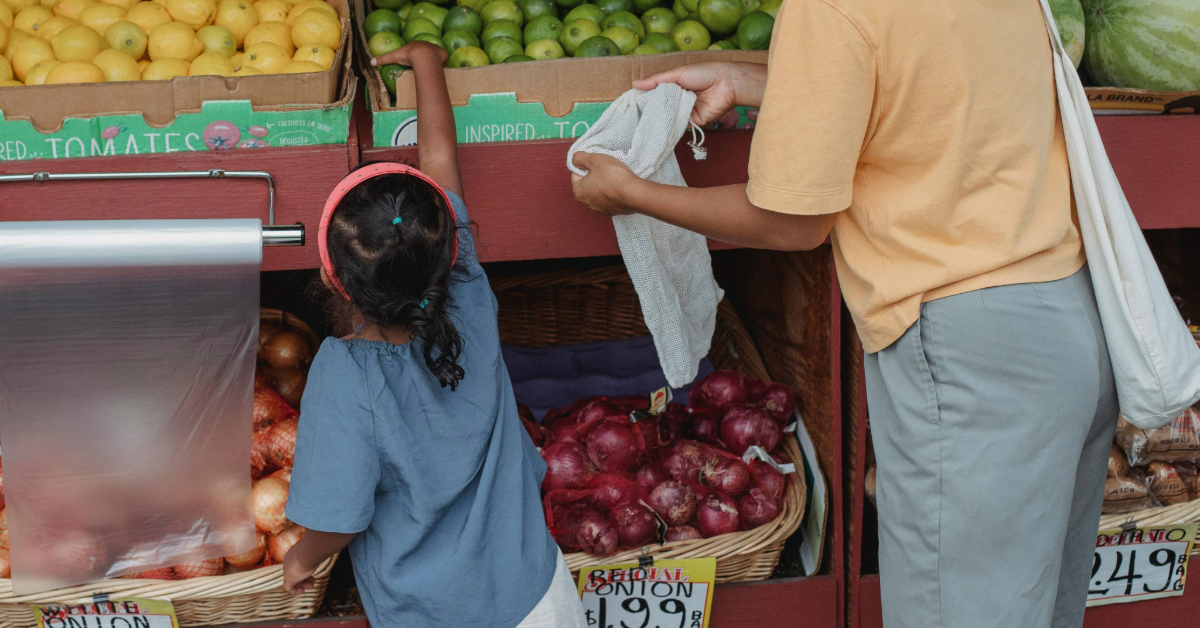
Fruits, vegetables, and bread top the list of commonly discarded items. Their perishable nature and lack of proper storage lead many families to forget produce until it spoils. A bulging refrigerator or an overcrowded pantry often means ingredients go unnoticed. According to the United Nations Environment Programme, the average Mexican discards 54 kilograms of food annually, contributing significantly to the Americas’ share of global waste.
The environmental cost of this waste is staggering. Producing the food consumed—and discarded—in Mexican homes wastes almost 40 billion liters of water every year, particularly for meat, dairy, and vegetables. When food rots in landfills, it emits greenhouse gases and contaminates soil and water. Each discarded meal carries an unseen burden: the land, energy, and water used to grow, harvest, and transport it, all ending up in the trash.
Food waste deepens social inequality in Mexico. More than 20 million people face food insecurity, lacking reliable access to sufficient meals. The edible food thrown away could feed those in need. In that sense, what one household discards could provide a lifeline to another.
How do we create food waste
Several common habits drive household waste:
- Unplanned shopping: Impulse buys often clash with existing ingredients, leaving unused items to spoil.
- Deceptive promotions: “Buy two, get one free” deals sound appealing until the extra item expires unopened.
- Overcooking: Preparing large meals “just in case” can result in leftovers that go uneaten.
- Lack of repurposing ideas: Many people struggle to transform scraps or leftovers into new dishes.
- Eating out frequently: Dining out while forgetting about perishable items at home speeds up spoilage.
Fortunately, families can cut waste with simple, effective strategies. Before shopping, take stock of your fridge and pantry. Use a checklist tied to planned meals, and base purchases on need, not deals. This step alone can prevent impulse buys and duplicate ingredients.
Leverage technology to rescue food before it goes bad. Apps like Cheaf and Too Good To Go connect consumers with surplus meals from restaurants and bakeries at discounted prices. These platforms help users save money and reduce waste, benefiting both wallets and the planet.
Repurposing leftovers fuels creativity and cuts down on garbage. Stale bread transforms into croutons or bread pudding. Wilted vegetables can star in stews or frittatas. Leftover rice makes hearty fried rice or rice pudding. And traditional preservation techniques—pickling, fermenting, or drying—can extend the life of produce for weeks or months.
Education and planning are key to lasting change. Community workshops and school programs can teach food management skills that reduce waste at the household level. Local governments can incentivize composting and support food redistribution networks. When neighbors, businesses, and policymakers work together, the cycle of waste can be broken.
Avoiding food waste isn’t just an eco-friendly choice. It’s a financial win, a step toward social equity, and a way to honor the resources that brought food to our tables. Every tomato saved, every leftover reinvented, and every mindful purchase can add up to a healthier planet and a more secure future.
Do you accept the challenge this week? Start by checking your fridge, planning your meals, and giving new life to leftovers. Small actions at home can drive big change across Mexico.