The submarine cable Mazatlán – San José del Cabo project strengthens bandwidth and resilience along Mexico’s Pacific coast, linking Sinaloa and Baja California Sur by August.
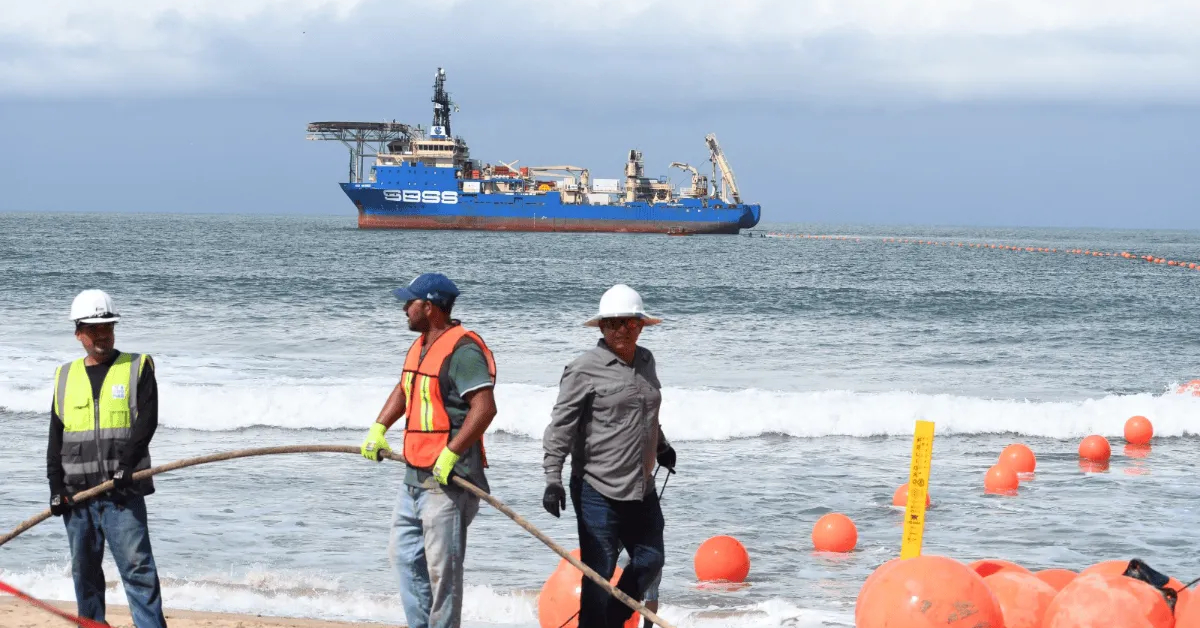
Beneath Pacific waves and along the Sinaloa shore, technicians complete the final stretch of the submarine cable Mazatlán project. This undersea link will unite Mazatlán with San José del Cabo, Baja California Sur, boosting voice, data and video capacity across Mexico’s west coast.
Carlos Iván Herrera, engineer for Telmex’s Hermosillo Backbone Network, leads ground operations. He says crews expect full service by August’s end after six months of work. “This cable opens an alternate route for emergencies and averts disruptions from hurricanes,” Herrera explains.
In shallow waters, dive teams use a seeding method. They lightly trench the seabed and bury the cable to shield it from shifting sands and human impact. “We secure the infrastructure in vulnerable zones,” Herrera notes. Offshore work requires precision equipment and close coordination with marine authorities.
On land, around 30 technicians and engineers from Telmex and Grupo Carso handle urban trenching. They link the landing point to Mazatlán’s main telecom center. There, the new branch will tie into the existing network and feed traffic northward toward Tijuana and ultimately Los Angeles.
Environmental safeguards guided every phase. Authorities and Telmex identified two low-impact corridors to protect marine flora and fauna. “We mapped routes to limit ecological disturbance,” Herrera says. The cable-laying ship followed those paths, laying fiber along the ocean floor without harming coral beds or wildlife habitats.
Once active, the Pacific branch will integrate into Telmex’s National Telecommunications Network. This mesh-style design reroutes traffic if one segment fails, ensuring reliable service under any condition. Users from northern Baja to southern Sinaloa will gain faster speeds and stable connections.
The project’s $23 million investment covers both marine and terrestrial works. Technicians stress that the expense pays off through higher capacity, reduced latency and strengthened emergency response. Local businesses, schools and hospitals stand to benefit from this modern digital backbone.
Mazatlán’s tourism industry also gains. Hotels, restaurants and tour operators can offer guests seamless video calls, live-streamed events and robust backup links during storm season. Residents will see improved mobile coverage and broadband options.
By digging trenches on land and deploying advanced marine burial techniques at sea, the initiative balances technical needs with environmental care. It sets a precedent for future undersea cables along Mexico’s coasts and underscores the nation’s push to modernize its digital infrastructure.
As tourists stroll Mazatlán’s Malecón and surfers ride Pacific breaks, they may not notice the invisible fiber weaving beneath them. Yet that network will power tomorrow’s commerce, communication and emergency services.
When the cables light up in August, they will mark a milestone for regional connectivity. Engineers, environmental officials and local communities will celebrate a project that delivers resilient telecommunications while respecting the natural world. The submarine cable Mazatlán stands as proof that Mexico can marry innovation with stewardship, forging links that endure under sea and sun.