Quintana Roo tourism officials say they’re back at the table with Colombian airlines to bring routes into Cancún—and even back into Tulum—after a year of flight cuts and traveler frustration. Industry leaders blamed migration friction for a collapse in Colombia service, and airlines also trimmed capacity for demand and network reasons. Now the state says talks are active to restore connectivity. If deals stick, travelers could get nonstops again and shorter trips. The question is how fast carriers commit and on which city pairs.
On October 20, 2025, Quintana Roo’s tourism secretary said the state is negotiating with Colombian carriers to restore routes to Cancún and bring back service into Tulum’s airport. The push follows a marked retreat by Colombian airlines and a bruising year of complaints about how Colombian travelers were handled on arrival. Officials didn’t name the airlines, but framed the goal as reconnecting a market that used to fill hotel rooms year-round.
Colombia Cancún flights
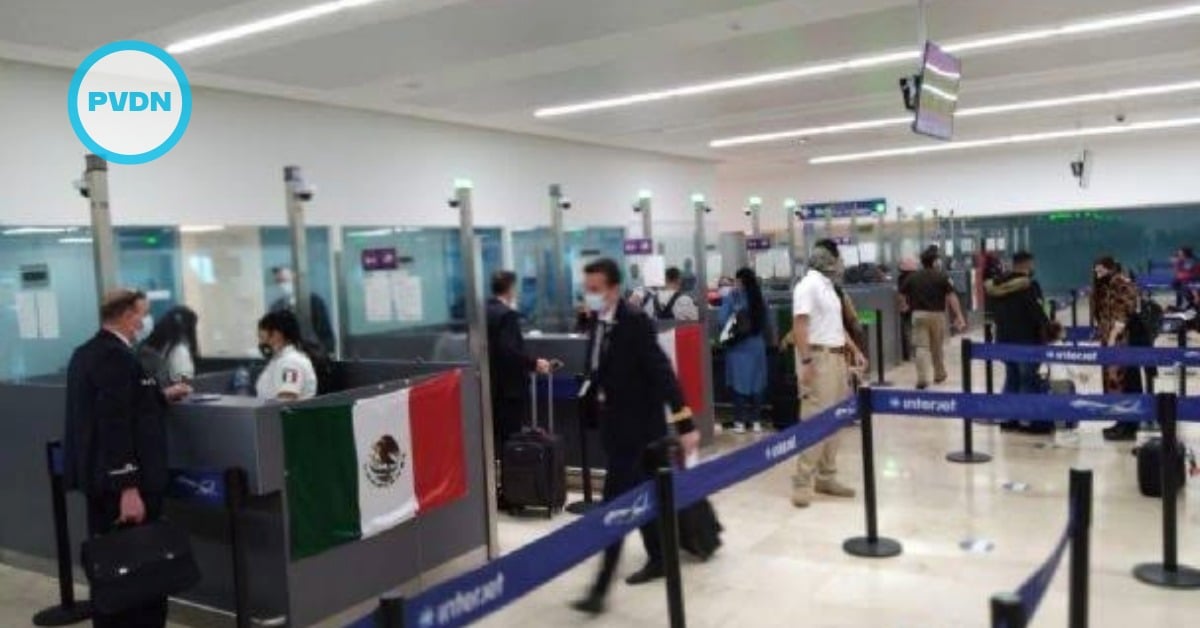
The stakes are real. Earlier this year, hotel leaders warned Cancún had gone from 11 weekly flights from Colombia to just one seasonal service, and even that link was at risk. Those warnings tied the slump to airport migration practices that left many travelers turned away or disenchanted. Separately, the numbers tell the story: in 2024 more than 53,000 Colombians were refused entry to Mexico, doubling the share of inadmissions year over year and souring sentiment on both sides. See the broader context in this joint Mexico–Colombia update on reactivating traveler pre-registration.
The collapse wasn’t only about migration desks. Airlines also pruned networks. Avianca, for example, launched Bogotá–Tulum in December 2024 and pulled the route by July 1, 2025, rerouting passengers via Cancún and refocusing capacity elsewhere. That left Quintana Roo with fewer nonstop options from Colombia and pushed travelers onto longer connections.
State officials say they are courting carriers and tour operators and using trade fairs to rebuild ties with Colombia. Earlier this year, the tourism secretariat highlighted Colombia as a strategic market during ANATO, the country’s main travel expo, and pitched new connectivity for the Mexican Caribbean. The current talks, they say, aim to formalize that push into firm schedules for Cancún—and, when viable, a return to Tulum.
Why the talks matter now
If routes return, travelers gain shorter trips and nonstops that avoid overnight connections through third countries. Hotels and local businesses gain a market that historically spends well and travels across seasons. The state’s position is that better coordination with federal migration authorities and airlines can reduce frictions at the airport and rebuild trust with Colombian visitors.
There are signs of operational recovery elsewhere, but Quintana Roo needs carriers to place real bets on these city pairs. Colombia’s overall air market has been expanding again in 2025 after a rough 2023–24, according to Aerocivil traffic updates, which suggests demand exists if travelers feel welcome and flights are convenient. The question is timing. Airlines plan schedules months ahead; any winter adds would need quick commitments, while spring can still be in play.
Travelers should also watch immigration policy tweaks. Mexico and Colombia moved this year to reactivate travel pre-registration and improve coordination after the 2024 spike in inadmissions. That shift, plus clearer guidance on documents at the border, could make airlines more comfortable reopening point-to-point service. For context specific to Cancún, Colombia’s consulate reported 17,875 Colombians were inadmitted at Cancún airport in 2024 out of roughly 230,000 arrivals—numbers that rattled tour operators and carriers alike.
For now, Quintana Roo is signaling to airlines—and to travelers—that the door is open. The market will answer once carriers see stable operations at the airport, predictable entry for legitimate tourists, and enough demand to fill seats at sustainable fares. The next schedules will tell us if the message landed.