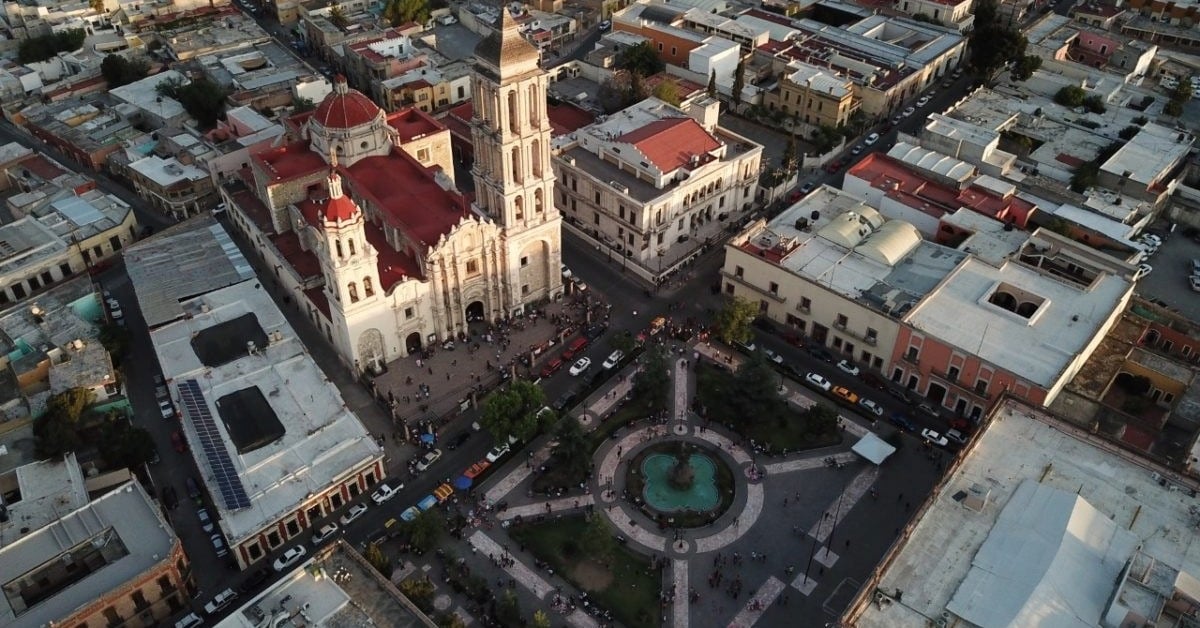
On August 14, Saltillo officials gathered merchants, entrepreneurs, and urban specialists to review progress and sharpen goals for a plan they call the Distrito Centro project. The city frames it as a push to “make the Centro Histórico the best in Mexico” without sanding off what makes it Saltillo. The emphasis is on preserving the historic core’s identity while drawing people back to live, work, and spend in the center.
The session was led by Mayor Javier Díaz González and included partners from the Tecnológico de Monterrey’s Center for the Future of Cities. City-hall leadership and the dedicated Distrito Centro team were also at the table, signaling that this is both a technical and a political project. The message: this is a coordinated effort across government, academia, and the business community.
Distrito Centro revitalization
According to the city, the project is not a rebranding of the Centro Histórico or a swap of identity. It is a set of tools and actions to strengthen the core and make it livable again. The geographic focus includes a defined polygon that takes in landmarks such as Alameda Zaragoza, a signal that streets and public spaces around the park are central to the first moves.
A key data point raised in the meeting is driving the urgency: 21 percent of Saltillo’s territory has lost population, with a strong impact on the center. That erosion is not unique to Saltillo, but officials argue it should shape local policy now—because the city already has schools, clinics, and commerce in place. The fastest gains, they suggest, will come from bringing people back to where the infrastructure already exists.
What the plan says—and what it doesn’t
City partners underscored that the aim is to recover the center’s life without displacing its history. That means leaning on “urban instruments” developed with academia and the private sector rather than a single showcase project. In plain terms, think governance, financing, and regulatory changes that make small, cumulative upgrades possible. The city’s language is careful, but the direction is clear: preserve, repair, and repopulate.
What the city did not publish in this update is a menu of line-item public works. Instead, officials focused on the framework, the coalition behind it, and the reasons to act now. For downtown shopkeepers and residents, that translates into a process still in the design and coordination phase, with the business community formally inside the conversation.
Why it matters for everyday Saltillenses
When the center loses residents, the daytime crowd thins and small businesses feel it first. The Distrito Centro revitalization is pitched as a way to rebuild that base: safer, more useful streets; public spaces that invite people to stay; rules and financing that make small rehabs viable. Delivering on that will decide whether the plan is felt beyond meeting rooms and press photos.
Officials left the meeting with two clear signals. First, this is a coalition play, not a solo act by city hall. Second, success will be measured by people returning to live in the core and by storefronts turning their lights on earlier and keeping them on later. Those are outcomes readers will notice block by block, not just on a ribbon-cutting day.