Mexico’s Semana Santa vacation period delivered more than 7 million foreign visitors and more than 30.74 billion pesos in tourism spending, according to federal tourism figures released Friday.
The holiday period also pushed national hotel occupancy above 74%, giving Mexico’s tourism sector one of its strongest seasonal results since before the pandemic.
Tourism Secretary Josefina Rodríguez Zamora said the country received more than 7 million foreign visitors during Semana Santa. She said that was about 4% higher than the same holiday period in 2025.
The number of tourists, meaning visitors who stayed overnight, reached nearly 4 million. That was also about 4% higher than last year.
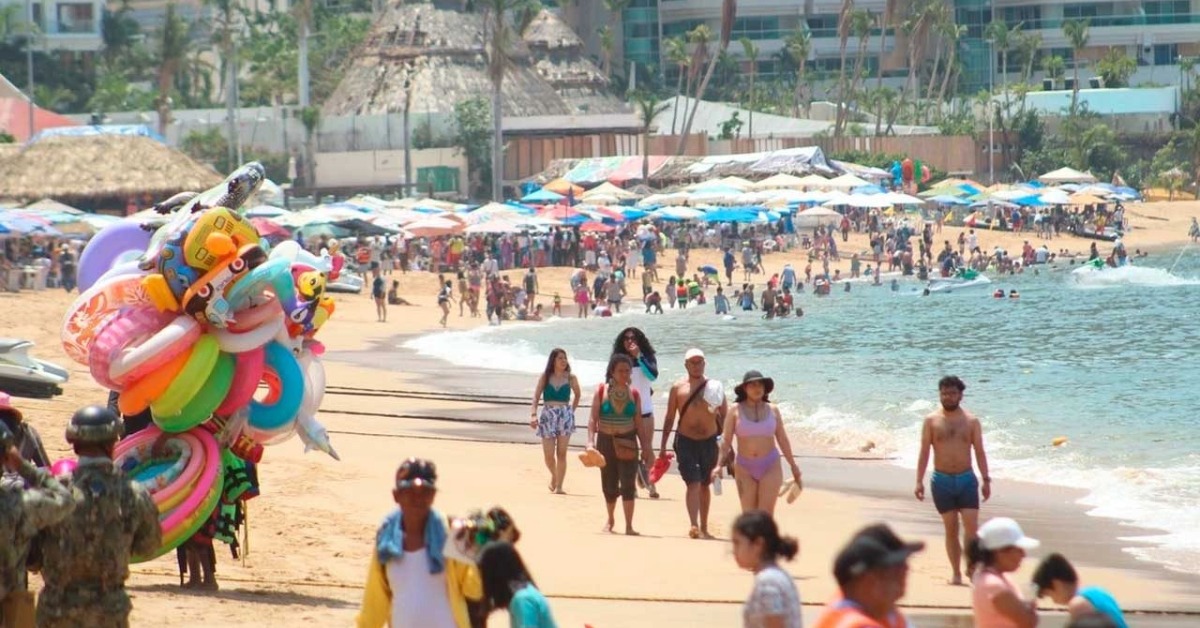
For many readers outside Mexico, Semana Santa is best understood as more than Easter week. It is one of the country’s biggest annual travel windows. Schools close, many workers take vacation, and families travel to beaches, colonial cities, religious sites, and hometowns.
Why Semana Santa matters so much to Mexico
Semana Santa carries two forces at once. It is a deeply rooted religious and family period, and it is also a major economic season.
For hotels, restaurants, tour operators, transport companies, beach vendors, and local shops, the holiday can shape an entire spring season. In many destinations, it is one of the last major surges before the slower summer shoulder period begins.
The latest figures show how much that traffic matters. A national hotel occupancy rate above 74% means rooms were heavily booked across the country, even with a larger hotel supply than Mexico had before the pandemic.
Officials also noted that Mexico now has almost 5,000 more hotels than it did before the pandemic. That detail matters because a higher occupancy rate is harder to achieve when more rooms are available.
Spending grew, but the impact is not equal everywhere
The reported 30.74 billion pesos in tourism spending gives a national picture. It does not mean every destination, hotel, or restaurant saw the same benefit.
Tourism spending moves unevenly. A family that books an all-inclusive resort may spend most of its budget inside one property. A traveler staying in a city center may spend money across cafés, taxis, pharmacies, museums, and small restaurants.
That difference matters in places where local businesses depend on foot traffic. A crowded destination does not always mean strong sales for everyone.
Still, the national figure points to a strong holiday season for Mexico’s broader tourism economy. It also shows why state and city governments compete heavily for Semana Santa travelers.
What the numbers mean for expats and foreign residents
For expats and foreign residents, these figures explain a familiar seasonal pattern. During Semana Santa, hotel prices often rise, beaches fill quickly, traffic gets heavier, and restaurants can be harder to book.
The holiday also changes the rhythm of daily life in tourism-heavy cities. Domestic visitors are a major part of the season, especially in beach destinations and colonial cities within driving distance of large urban centers.
Foreign residents who live in places such as Puerto Vallarta, Cancún, Playa del Carmen, Los Cabos, San Miguel de Allende, Mérida, or Oaxaca often feel the effects even if they are not traveling. Grocery stores, beaches, highways, airports, and medical clinics can all see heavier demand.
The economic upside is clear for workers and businesses tied to tourism. The tradeoff is pressure on services, prices, and infrastructure during peak days.
Tourism keeps building after a strong start to 2026
The Semana Santa report follows other signs of tourism growth early in 2026.
INEGI’s February traveler survey showed Mexico received just over 8 million international travelers that month, up 8.5% from February 2025. Of those, about 3.88 million were international tourists who stayed overnight.
Tourism revenue from international travelers reached about $3.27 billion dollars in February, according to INEGI. That figure was slightly higher than the figure for the same month last year.
For January and February combined, federal tourism officials reported 16.85 million international visitors and about $6.75 billion dollars in tourism revenue.
Those numbers help frame Semana Santa as part of a broader trend, not a one-week surge. Mexico continues to attract foreign visitors while also relying heavily on domestic travel during peak holiday periods.
A strong season also brings harder questions
The tourism results come as Mexico prepares for more global attention ahead of the 2026 World Cup, which will bring matches to Mexico City, Guadalajara, and Monterrey.
Strong visitor numbers support Mexico’s position as one of the world’s major travel markets. But growth also brings pressure.
Tourism destinations must manage security, transportation, water demand, trash collection, beach access, and housing costs. Those issues matter to visitors, but they matter even more to residents.
For cities that depend on tourism, the challenge is not only attracting travelers. It is about ensuring the economic benefits reach workers, small businesses, and local communities.
Semana Santa’s spending figures show the strength of Mexico’s tourism economy. The next question is how evenly that strength is shared.