Zapopan just flipped the script on organic waste. The city opened a facility designed to turn slaughterhouse scraps and market clippings into compost for parks and fields. Officials say the site can handle 20,000 tons of organics a year and produce 7,200 tons of finished compost. The promise is less trash headed to landfills, healthier soils, and lower public spending on chemical fertilizers. The question now is whether residents and businesses will separate organics consistently enough to feed the plant at capacity.
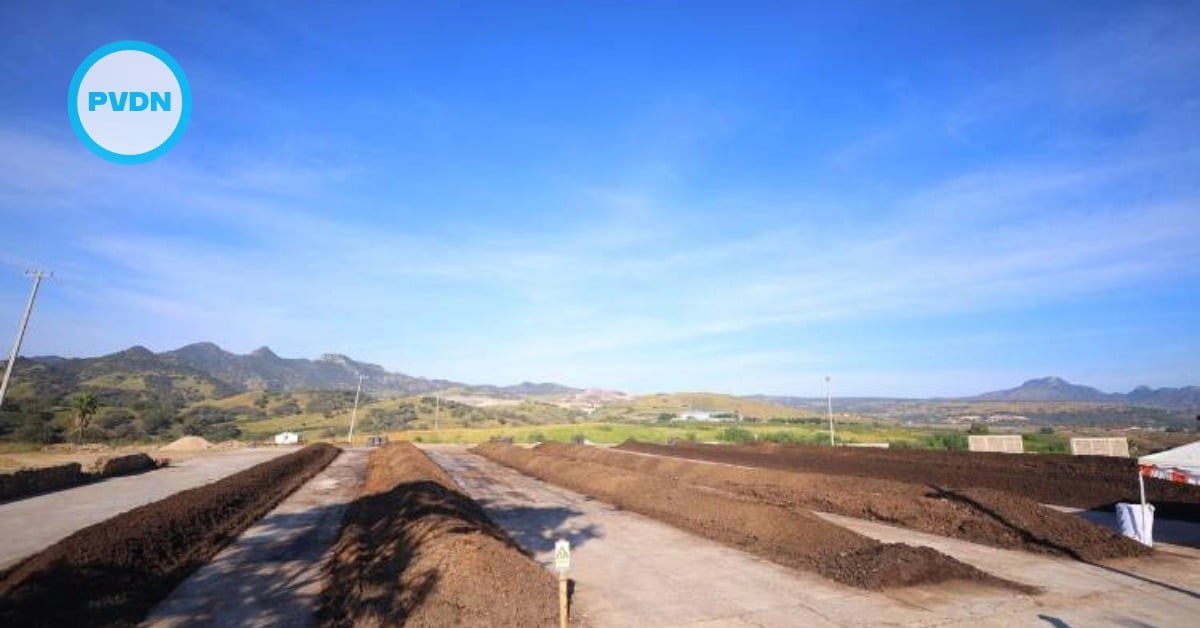
Zapopan opened a new chapter for how the metro treats its garbage on Monday, October 20. The city inaugurated Zapopan composting center “El Taray,” a plant built to turn organic waste into soil food for public spaces and nearby growers. Early numbers matter: up to 20,000 tons of organics a year in, roughly 7,200 tons of compost out.
The facility draws a steady stream of inputs from the municipal slaughterhouse and adds cuttings and leaf litter from parks, tianguis and markets. City officials say the shift should curb landfill use, cut purchases of chemical fertilizers, and channel the savings back into green space maintenance. The project also positions Zapopan among the few local governments processing rastro organics at scale in Jalisco, according to regional coverage and city communications.
Zapopan composting center
The site sits on the city’s west side, reported near Lomas de Montechelo, with room to grow and space for on-site education. Plans include school visits, staff training, and research tie-ins with local universities so people can see the process—collection, blending, curing—end to end. The concept is simple but powerful: get organics out of the dump, return nutrients to the soil, and show residents what “circular” looks like at street level.
Why it matters comes down to what’s in our trash. Mexico’s own environmental datasets show the organic fraction is the single largest share of household waste—about 44%—meaning there’s real climate and landfill relief available when cities actually compost. Methane emissions from rotting organics in dumps are hard on air quality and the climate; composting sidesteps that and builds healthier soils.
Mid-term, Zapopan says El Taray won’t just make compost; it will also serve as a teaching and reforestation hub, and the city will pilot organics separation in markets and neighborhoods to keep the feedstock flowing. If those pilots stick, the plant’s annual output could fertilize parks, medians, community fields, and even partner plots, replacing a chunk of what public works used to buy as synthetic inputs. Independent outlets covering Monday’s ribbon-cutting echo the city’s projection of 7,200 tons of compost a year if the stream stays steady.
What comes next for the project
Two things will decide whether El Taray changes the story for the whole metro. First is participation: families, market vendors, and food businesses need to separate organics so collection doesn’t dilute the stream. Second is follow-through: the city has to keep quality high—low contamination, consistent curing—so parks and growers trust the material. The fundamentals are there. Zapopan has a facility sized for impact, a clear source of organics from the rastro, and a public brief to cut landfill loads. Now the job is to feed the plant, prove the compost, and make it a habit. For readers who want the day-one details, NTR Guadalajara’s report provides additional on-site context and confirms the throughput and compost targets.