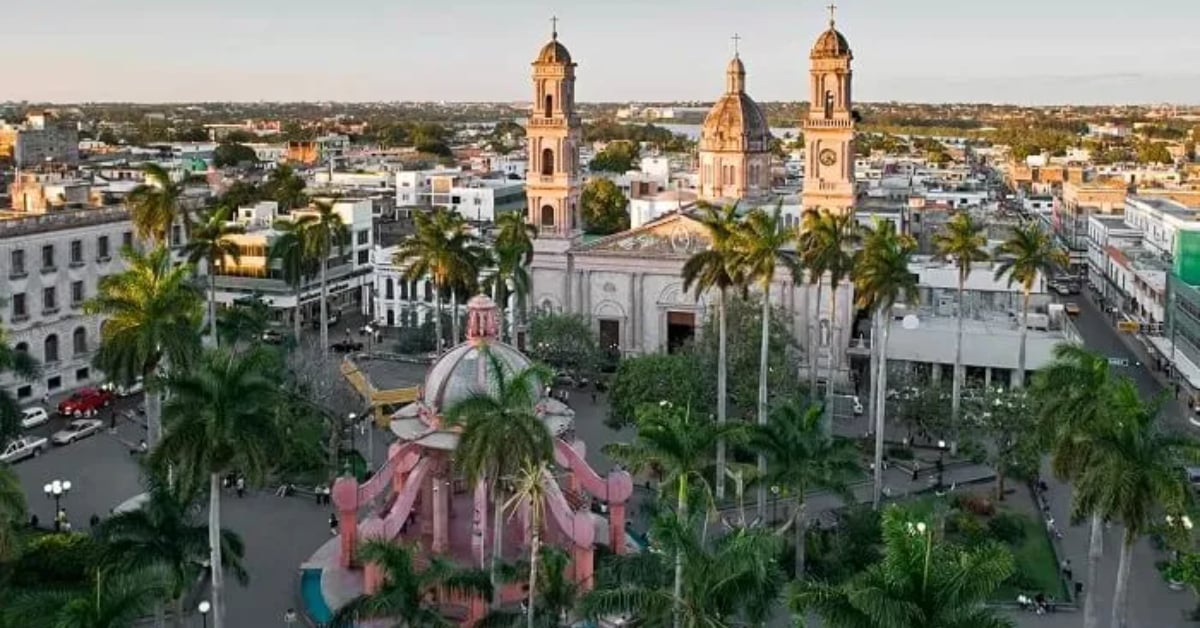
Tamaulipas tops Mexico in cumulative housing‐price gains as local restoration and federal programs fuel growth and spark debates over gentrification and affordability.
Tamaulipas has emerged as the state with the largest cumulative rise in housing prices in Mexico, a trend that highlights both local revitalization efforts and a broader national conversation about gentrification. In the past year, home values in Tamaulipas climbed more than 13 percent—outpacing the national average of 3.4 percent—and setting the stage for fresh debates about affordability, cultural identity, and the role of public policy in shaping urban change.
Restoration in Tampico Sparks Economic Gains
In southern Tamaulipas, the city of Tampico offers a vivid example of how targeted restoration can transform neglected neighborhoods. More than a decade ago, the state teamed up with the Historic Center Trust and local property owners to refurbish Tampico’s downtown core.
- Tourism up: Carefully restored facades, pedestrian plazas, and cultural programming have drawn both domestic and foreign visitors.
- Capital gains: Real estate values around the historic plaza have jumped as cafés, galleries and boutique hotels moved in.
- Local ownership: Building owners—many of them descendants of the original families—have seen appraised values rise, unlocking collateral for business loans.
Although the original Trust disbanded, grassroots merchant associations and civic groups are pushing to revive its model. Their goal is to repair deteriorated buildings, revive neglected historic homes and extend the benefits of tourism to low‐income families.
Gentrification Comes into Focus
The term gentrification describes when investment in real estate and the arrival of wealthier residents push up property and rent costs, often displacing the original, lower‐income population. Nationwide, “intervened” areas—those that have attracted outside capital, especially from foreign buyers—show the sharpest price increases. Cities such as Mexico City, San Miguel de Allende and Puerto Vallarta have all seen local residents struggle to afford rising rents and services.
In this debate, Tamaulipas illustrates the tightrope between preserving cultural identity and securing economic growth. Critics warn that unchecked development can erase the very character that makes historic neighborhoods special. Proponents argue that rising property values fund infrastructure, schools and public safety.
National Housing Trends and Regional Disparities
A June 2025 report by Grupo Financiero Banorte shows Mexico’s average home price hit 30,694 pesos per square meter, marking a 0.4 percent rise over May and a 3.5 percent gain year-over-year. But the picture varies widely by state:
- Mexico City: Highest price at 56,811 pesos/m².
- Tamaulipas: Lowest price at 17,624 pesos/m², yet highest cumulative gain of 13.2 percent from July 2024 to June 2025.
- Nuevo León: Month-over-month spike of 1.1 percent in June.
- Hidalgo: Steepest drop of 0.6 percent.
These numbers reflect the Mexican economy’s current dynamics: strong demand in major urban centers, but rapid catch-up growth in emerging markets like Tamaulipas.
Breakdown by Housing Age and Type
The Banorte study also breaks out price and supply by property age and type:
- New construction: 28.6 percent of national stock.
- 1–5 years old: 13.4 percent.
- 10–20 years old: 16 percent.
- 20–50 years old: 16 percent.
In Tamaulipas:
- New homes: 54.3 percent of listings, at 18,110 pesos/m².
- 1–5 years: 11.9 percent, at 18,219 pesos/m².
- 10–20 years: 9.9 percent, at 15,483 pesos/m².
- 20–50 years: 9.7 percent, at 14,666 pesos/m².
- 5–10 years: 7.0 percent, at 18,188 pesos/m².
By property type, houses make up 70.6 percent of the market, with apartments at 29.4 percent. Local experts see opportunities in Victoria and Tampico—Tamaulipas’s largest cities—to attract remote workers and “digital nomads,” leveraging lower costs and improved connectivity.
Foreign Residents and Demand Pressure
According to INEGI’s 2020 census, some 1.17 million people living in Mexico were born abroad, mainly from the United States, Latin America and Europe. Mexico City, Guadalajara, Monterrey, Cancún, San Miguel de Allende, Tijuana, Playa del Carmen and Puerto Vallarta top the list for foreign residents. While Tamaulipas currently ranks lower, rising housing costs could signal growing interest among ex-pats, retirees and investors seeking more affordable coastal and provincial markets.
Government Steps In with Housing for Well-being Program
To address affordability and supply, President Claudia Sheinbaum Pardo launched the Housing for Well-being Program in April 2025. In Tamaulipas, the initiative aims to deliver 48,000 new homes over her six-year term and upgrade existing stock. Key features include:
- Infonavit builds 28,000 homes: Starting with 6,000 this year, spread across Reynosa (7,000), Matamoros (5,000), Altamira (4,000), Tampico (4,000), Nuevo Laredo (3,000), Victoria (2,500) and Ciudad Madero/Río Bravo (2,500).
- Conavi builds 20,000 homes: Initial tranche of 1,000 units, zero-interest loans for non-beneficiaries.
- Loan relief: Freeze on over 94,000 unpayable mortgages, lower interest rates and debt relief across Infonavit and FOVISSSTE portfolios.
- Property titles: Distribution of 2,800 deeds already paid off; Plan Mexico commits 1 million titles nationwide.
- Economic impact: 750 billion pesos invested, 9.6 million direct and 14.4 million indirect jobs projected.
Residents apply at local modules, complete a diagnostic form and undergo a home visit and socioeconomic assessment. Depending on need, families receive direct subsidies, materials or subsidized payments. Those not accepted initially may reapply in later phases. Workshops and site visits prepare beneficiaries for community integration and home maintenance.
Balancing Growth and Community
Tamaulipas’s housing boom underscores the challenge faced by many Mexican states: how to foster development without displacing original residents. Local advocates call for:
- Regulation in intervened zones: Zoning rules and heritage protections to preserve architectural character.
- Inclusionary housing: Policies requiring developers to set aside units at below-market rates.
- Community land trusts: Cooperative models that keep property affordable in perpetuity.
- Public-private partnerships: Collaboration on infrastructure, public spaces and cultural programs.
By weaving these safeguards into future projects, Tamaulipas can sustain its growth while maintaining the “soul” of its historic neighborhoods.