The National Tequila Museum is preparing to reopen in the town that gave Mexico’s most famous spirit its name. After months of closure, legal disputes, and renovation work, the museum is being reframed around tequila history, the agave landscape, and Mexican identity. The timing is not accidental. Jalisco is preparing for World Cup visitors, while Tequila marks 20 years since its agave landscape earned World Heritage status.
National Tequila Museum prepares for a new chapter
The National Tequila Museum in Jalisco is preparing to reopen on June 5, after remaining closed since October 2024. The reopening is part of a state effort to return the museum to its original cultural role and update it for a new generation of visitors.
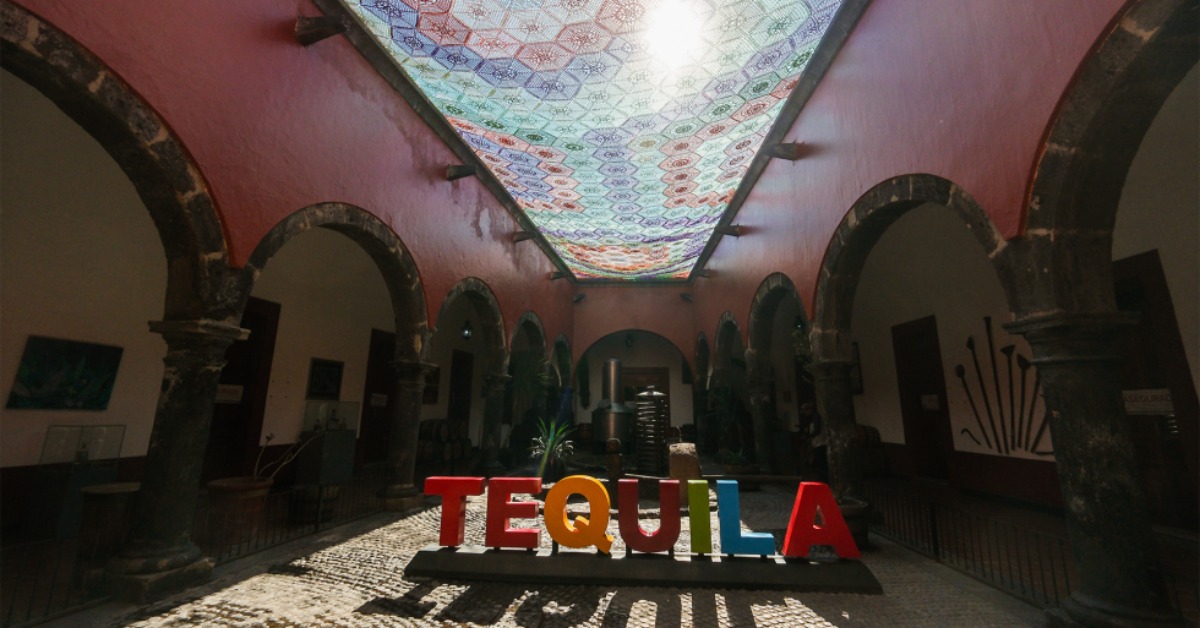
The museum, known as MUNAT, is located in the town of Tequila, one of Jalisco’s most recognized cultural and tourism destinations. State cultural authorities have said the project includes rehabilitation work, better services, updated museum content, and a renewed public image.
The reopening comes with an investment of about 15 million pesos. The money is being directed toward the building’s recovery and the museum’s relaunch as a reference point for the region’s agave heritage.
A museum tied to tequila and Mexican identity
The museum’s renewed focus will center on the history of tequila, the agave landscape, and the role both play in Mexican identity. The goal is not only to explain how tequila is made, but to place it in a larger cultural story.
That story begins long before modern tequila brands. The agave plant has been used in Mexico for centuries, including for fermented drinks and fibers. In Jalisco, blue agave became tied to agriculture, distillation, trade, tourism, and regional identity.
The museum is housed in a late-19th-century building in central Tequila. Before its closure, it included permanent exhibition rooms, a temporary exhibition space, an auditorium, and displays related to agave cultivation, tequila production, historical photographs, tools, bottles, documents, and local traditions.
Reopening follows legal and administrative disputes
The museum’s closure followed a period of legal and administrative conflict over the use and modification of the property. State authorities recovered legal possession of the site in March 2026.
Federal seals had remained on parts of the building while authorities reviewed the property. On April 28, federal personnel removed seals from five of the nine areas, allowing recovery work to move forward.
Initial inspections found several changes inside the building, including rooms converted into offices and added materials such as drywall. Officials have said early reviews did not show major structural damage and that many of the changes appear reversible.
The museum is now under the direction of Jalisco’s cultural authorities and the state museum agency. That agency operates several museums across Jalisco, including spaces tied to popular art, ceramics, Guachimontones, and the agave landscape.
World Cup timing adds urgency
The reopening is also tied to Jalisco’s preparation for the 2026 World Cup. Guadalajara will host matches, and state officials expect the event to bring more visitors to nearby cultural destinations.
Tequila is already a popular side trip from Guadalajara. For many foreign visitors, the town is one of the easiest ways to connect a trip to Jalisco with Mexican food, drink, history, and landscape.
The museum’s reopening gives the town another cultural stop at a moment when many destinations are trying to move beyond basic tourism. The project points toward a broader visitor experience, with more emphasis on heritage and less focus on tastings or distillery tours.
A World Heritage anniversary for agave country
The reopening also coincides with the 20th anniversary of the Agave Landscape and Ancient Industrial Facilities of Tequila being added to the UNESCO World Heritage List.
That designation was granted in 2006. It recognizes the region’s agave fields, old industrial facilities, working distilleries, and urban settlements connected to tequila production.
The World Heritage area includes a broad agave-growing landscape in Jalisco. It reflects both the region’s agricultural life and the long connection among agave, local communities, and Mexican culture.
For expats and visitors living in Mexico, the reopening is a reminder that tequila is not only a drink served in restaurants and bars. It is also part of a living landscape, a regional economy, and a cultural history that continues to shape Jalisco.