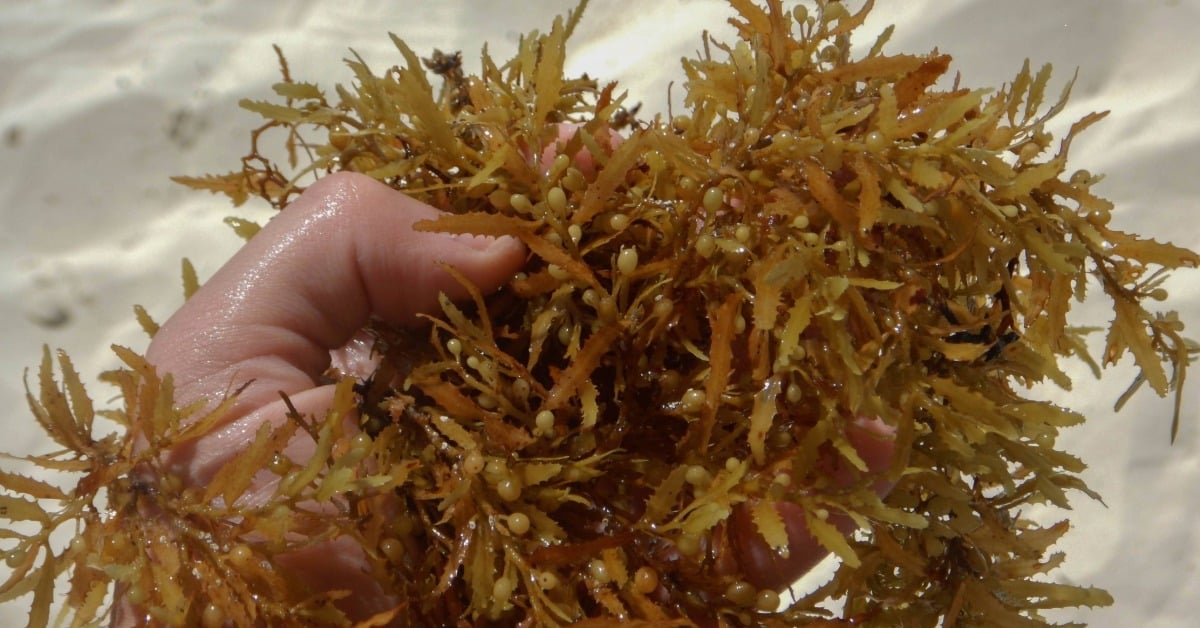
Sargassum cleanup is usually described in terms of beach conditions, tourism, and tons removed from the shore. A new study turns the focus to the people doing the work. Researchers monitored cleanup crews in Puerto Morelos, Playa del Carmen, and Mahahual during the heavy 2025 bloom, using personal sensors to measure hydrogen sulfide exposure. The results point to a workplace health concern that can be easy to miss when the visible problem is piled on the sand.
Sargassum cleanup workers report health symptoms after exposure study
Cleanup workers who remove decomposing sargassum from beaches in Quintana Roo reported skin irritation, headaches, fatigue, respiratory difficulty, and other symptoms during a study that measured personal exposure to hydrogen sulfide, the gas associated with rotting seaweed.
The study, involving UNAM and international researchers and published in Harmful Algae, monitored 35 workers in Puerto Morelos, Playa del Carmen, and Mahahual during the 2025 Atlantic sargassum bloom. El Universal reported the findings on May 25 after reviewing the study and interviewing Rosa Rodríguez, the researcher who led the work.
What the study measured
Researchers fitted cleanup workers with portable sensors at chest height to measure hydrogen sulfide (H2S) in real time as they removed sargassum. Fieldwork took place from June to August 2025, and 32 workers also answered health questionnaires.
The sensors recorded H2S readings from less than 1 ppm to 50.8 ppm. Overall, 46.3% of readings were above the Mexican eight-hour occupational limit of 1 ppm, while 11.3% exceeded the 5 ppm short-term exposure level cited in the study.
Short-term peaks reached 50.8 ppm, slightly above the NIOSH immediately dangerous to life or health threshold cited by the authors. Most monitored time remained below 5 ppm, but the study documented high-concentration events across the three municipalities.
What workers reported
Questionnaires showed that 46.9% of workers reported itching and skin burning, 43.8% reported headaches, and 37.5% reported dermatitis and fatigue. Eye irritation and nausea were each reported by 28.1% of workers, followed by dizziness at 25%, nasal congestion and urticaria at 21.9%, and throat irritation and difficulty breathing at 18.8%.
The study also recorded less frequent reports of vomiting, irritability, skin infections, localized hair loss on the legs, sleep problems, anxiety, and, in rare cases, toenail loss. Workers handling decomposed sargassum in nearshore waters reported more frequent and more severe skin-related symptoms.
Why decomposing sargassum creates exposure
Hydrogen sulfide forms when sargassum decomposes without oxygen. The gas has a rotten-egg odor, but the study notes that prolonged or high-level exposure can impair a person’s ability to detect it.
Researchers said cleanup workers face a different exposure pattern from people who pass through a beach area. Their work can involve repeated contact with dense, decomposing biomass, nearshore water darkened by leachates, and long shifts during the sargassum season.
Cleanup pressure in Quintana Roo
The findings arrive during another heavy sargassum season in Quintana Roo. Vallarta Daily reported that more than 90,000 tons of floating sargassum had been detected off the coast and that 55 of 140 monitored beaches were listed with excessive accumulation in a recent state report.
Another Vallarta Daily report said Semar had collected more than 39,500 tons of sargassum from sea and beach areas in Quintana Roo so far in 2026. The cleanup covered Isla Mujeres, Benito Juárez, Puerto Morelos, Cozumel, Playa del Carmen, Tulum, Mahahual, and Othón P. Blanco.
Recommended protections
Researchers recommended continuous H2S monitoring, personal sensors with audible alarms, protective equipment, worker rotation, and limits on time spent near decomposing sargassum. They also said people with asthma, cardiovascular disease, or advanced age should avoid cleanup areas where sargassum is decomposing.
The study focused on cleanup workers, not casual beach exposure. Its findings point to risks tied to repeated work in areas where sargassum has accumulated, darkened, and begun to rot.