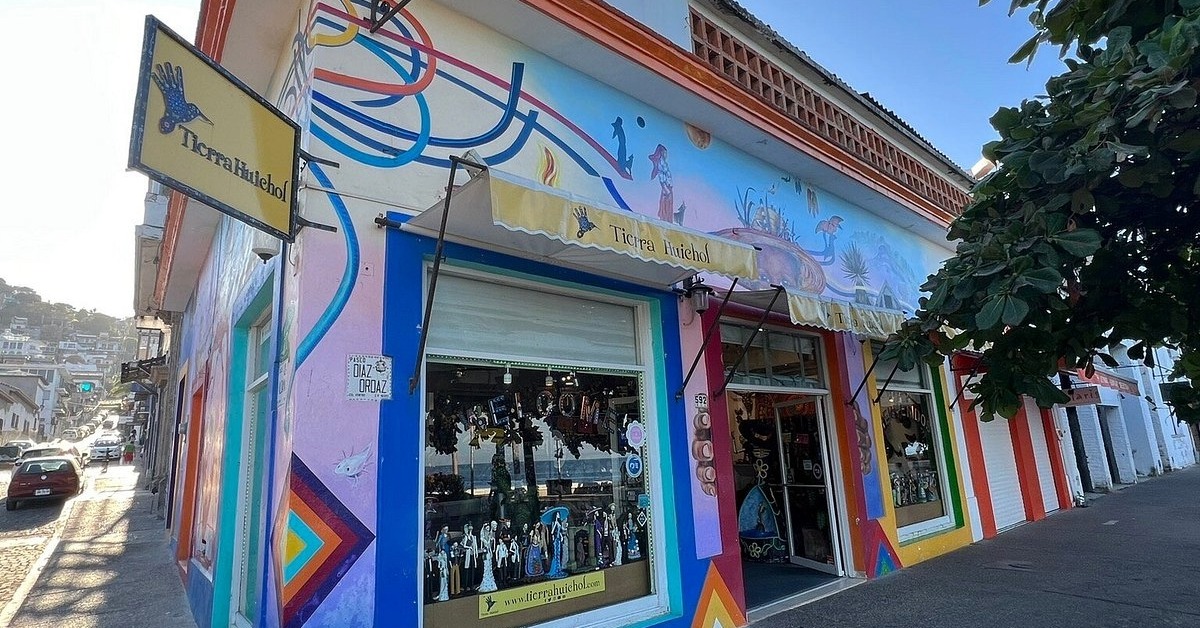
Inside Tierra Huichol, the bright beadwork and yarn paintings that catch the eye carry a deeper story. The Puerto Vallarta cultural project works with Wixárika artisan families whose handmade pieces reflect memory, ceremony, and identity. Its galleries have become a visible space for Indigenous art in a tourist city where tradition can easily be reduced to souvenir shelves. The story behind the work reaches from the Sierra Madre to the Malecón.
Tierra Huichol elevates Wixárika art in Vallarta
Puerto Vallarta’s Tierra Huichol is drawing attention as a cultural project centered on Wixárika art, fair payment, and the preservation of Indigenous traditions that continue to pass through family hands.
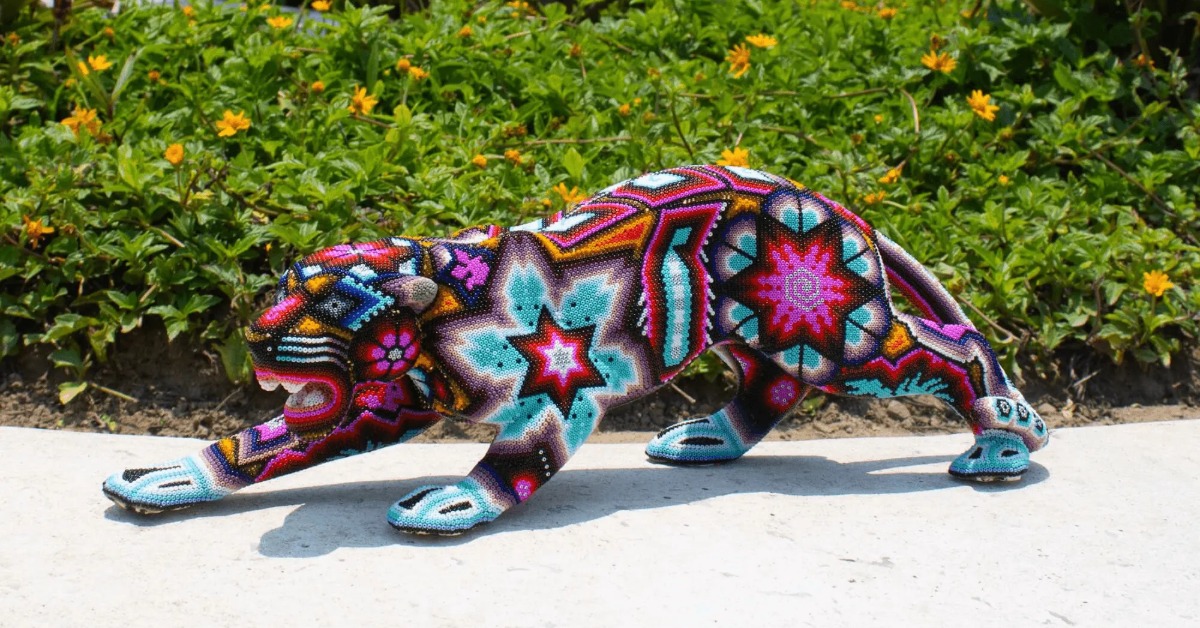
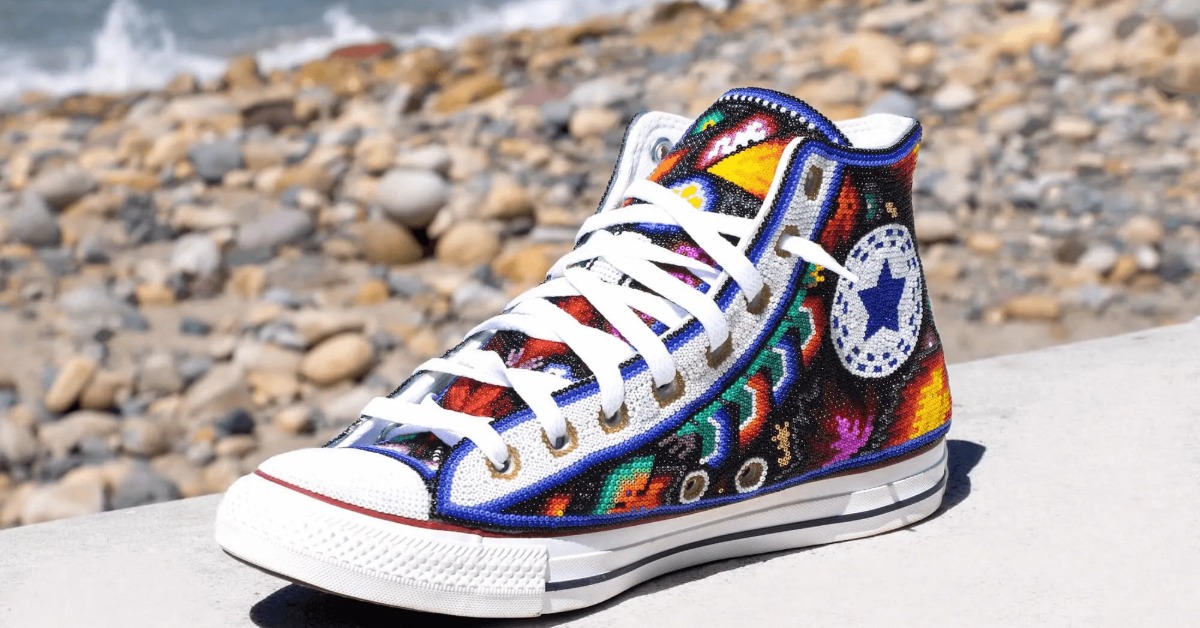
The gallery project works with more than 80 Wixárika artisan families and presents their handmade pieces in Puerto Vallarta, Sayulita, and other gallery spaces. Its work centers on beadwork, yarn paintings, and commissioned pieces that carry symbols tied to nature, ceremony, memory, and community life.
In a tourism city where Indigenous art is often seen first as decoration, Tierra Huichol gives the work a more careful setting. The pieces are sold as art with living roots, not mass-market souvenirs. Each object reflects time, technique, and a worldview that has survived through generations.
Art made through family knowledge
The Wixárika people, often known outside their communities as Huichol, have long used color, pattern, and sacred symbols to tell stories about life, creation, animals, corn, the sun, peyote, water, and the Sierra Madre Occidental.
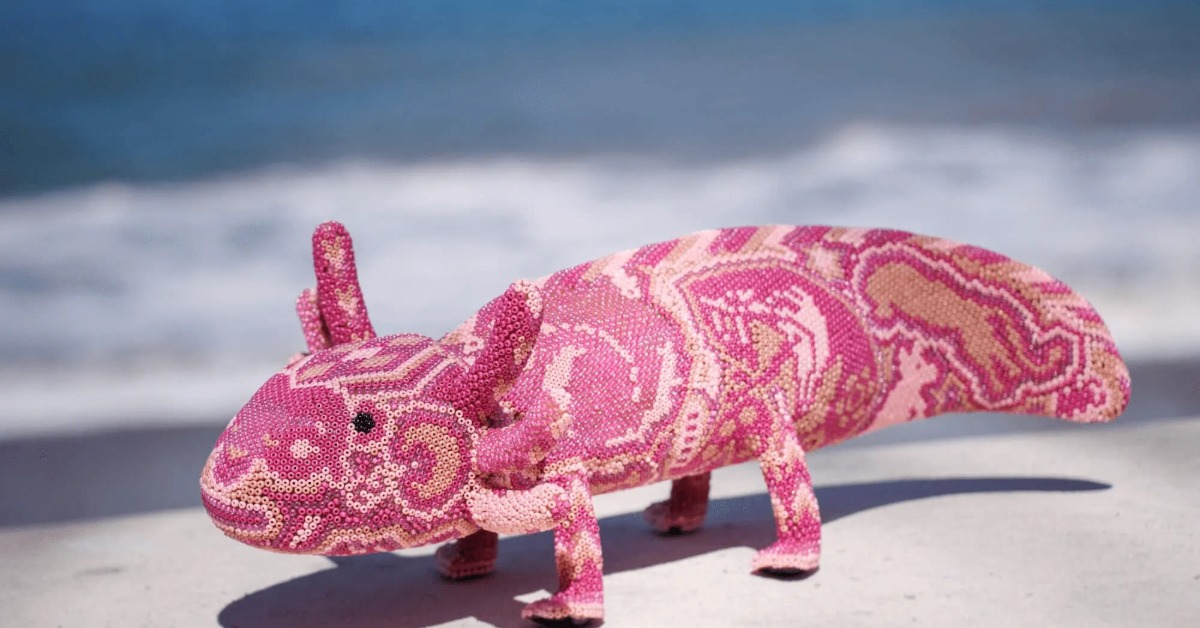
That visual language is what many visitors first notice inside Tierra Huichol. Small beaded animals, masks, bowls, and large-format pieces can appear bright and decorative at first glance. The deeper meaning comes from the symbols and the hands that arrange them.
Abel Casian, Tierra Huichol’s manager of marketing and business projects, described the project as a way to connect Wixárika tradition with a wider art market while keeping the cultural meaning visible. He said the goal is for artisans to show “how important our traditions are.”
He also said each piece should “tell a story,” giving buyers a chance to understand the symbolic depth behind the beads, yarn, and color choices.
The process is slow by design. Beadwork requires patience and precision. Yarn paintings are built through careful placement of thread, often using imagery passed down through families. The final pieces can feel contemporary in a gallery setting, but their roots are older than the surrounding market.
A Puerto Vallarta space for Wixárika art
Tierra Huichol has become one of Puerto Vallarta’s more visible spaces for handmade Wixárika art. Its Malecón gallery sits in one of the city’s busiest visitor corridors, giving the work daily exposure to people who might otherwise see Indigenous art only in passing.
The project also has a gallery in the Olas Altas area and a presence in Sayulita, placing Wixárika work in coastal communities where tourism, art, and commerce often overlap.
That visibility is part of the project’s role. A gallery can create distance between the artist and the buyer, but it can also give handmade work a more respectful place to be seen. Tierra Huichol presents the pieces with information about their origins and symbolism, helping buyers understand that the value is not only in the finished object.
The business approach includes fair payment and support for the families who produce the work. Tierra Huichol also helps artisans access materials needed to continue making their pieces, a detail that matters in a craft tradition where time and supplies shape what can be produced.
Tradition in a changing market
The story of Tierra Huichol also fits into a larger moment for Wixárika heritage in Mexico. In 2025, the Wixárika Route through Sacred Sites to Wirikuta was added to the UNESCO World Heritage List, recognizing a sacred cultural route that connects communities, ceremonial sites, and landscapes across several states.
That designation is separate from Tierra Huichol’s gallery work, but both point toward a wider recognition of Wixárika culture and its importance in Mexico’s cultural life.
For younger generations, that visibility can matter. Artisan work is not only a source of income. It is also a way of learning family knowledge, symbols, and techniques that can be weakened when younger people leave home, enter other work, or lose contact with traditional practices.
Tierra Huichol’s galleries help bring that work to new audiences without separating it from its cultural identity. The project’s focus on fair-trade sales provides the art with a commercial path while keeping the artisans and their families at the center of the story.
More than color on the shelf
For many visitors, the first encounter with Wixárika art is visual. The color is immediate. The detail pulls people closer. But the strongest pieces ask for more than a glance.
A beaded jaguar, deer, or serpent may carry meanings tied to protection, guidance, or the natural world. A yarn painting may hold a story about pilgrimage, offering, or creation. Even smaller pieces can contain layers of meaning that are easy to miss without context.
That is where Tierra Huichol’s role becomes clearer. The galleries do not only sell finished pieces. They offer a place where Wixárika artists can remain visible in a city heavily shaped by tourism and external demand.
In Puerto Vallarta, where culture is often packaged quickly for visitors, Tierra Huichol gives handmade Wixárika art a slower frame. The work still enters the market. It is still bought, sold, and displayed. But it carries the names, families, and traditions behind it closer to the surface.
The Malecón gallery is located at Paseo Díaz Ordaz 592 in downtown Puerto Vallarta and available online: https://www.tierrahuichol.com/en