A major highway planned to connect Silao with San Miguel de Allende is still waiting to move from promise to construction. The project has been promoted as a faster route between the Bajío’s industrial corridor and one of Mexico’s most visited colonial cities. But unresolved land negotiations and pending environmental approvals continue to hold it back. For residents, travelers, and property owners, the delay raises practical questions about timing, access, tolls, and what must happen before work can begin.
Silao to San Miguel highway still waiting on key approvals
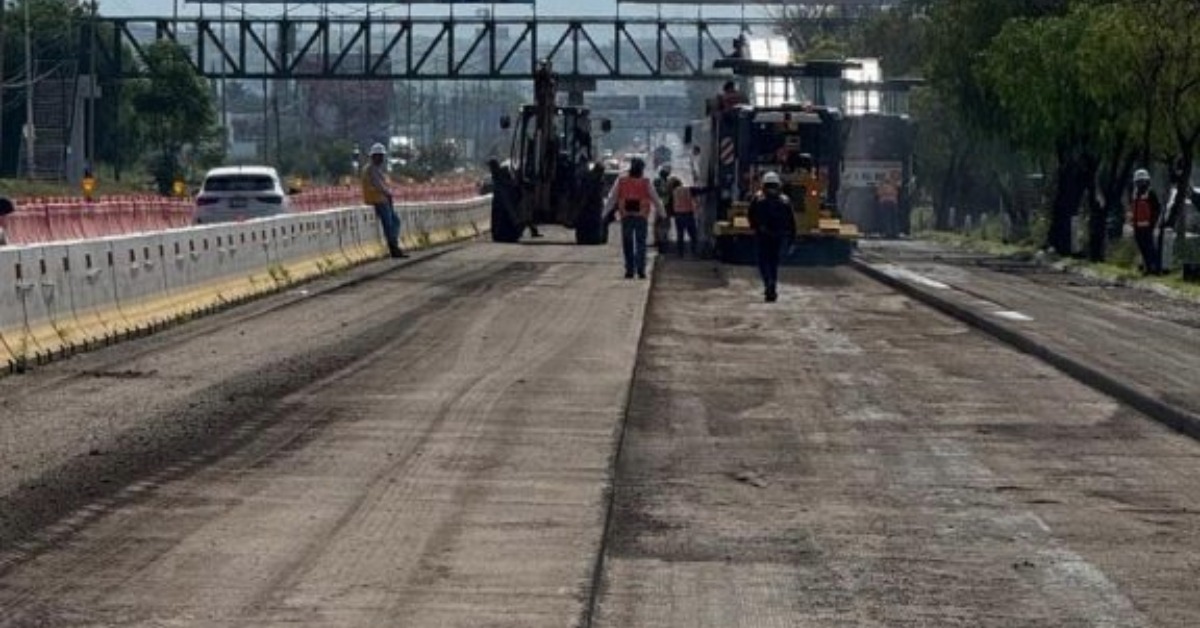
The planned Silao–San Miguel de Allende highway remains stalled because state and federal approvals are still incomplete.
Authorities have said the project cannot fully advance until there is authorization for land-use change and approval from Semarnat, Mexico’s federal environmental agency. The route also continues to face unresolved land issues tied to the project’s right of way.
The highway has been presented as a major connection between the Bajío’s industrial zone and the tourism corridor around San Miguel de Allende. It would also improve access between San Miguel, Guanajuato city, Silao, León, and the Bajío International Airport.
For now, however, the project remains in a holding pattern.
The missing permits are more than paperwork
Large road projects in Mexico usually require several layers of approval before construction begins. These can include environmental studies, land-use authorizations, federal permits, and agreements with property owners along the planned route.
In this case, the key pending issue is the change of land use in forested areas. That process falls under Semarnat review when land classified as forest land is converted for another purpose.
The project also requires environmental authorization. That review is meant to assess the likely impact of construction and decide whether mitigation measures are needed.
Until those approvals are granted, the project cannot move forward as originally promoted.
Land negotiations remain another obstacle
The highway also depends on the release of the right-of-way, meaning the land needed for the road and related works.
Earlier project updates indicated that most of the land had been secured, but a remaining section was still under negotiation. Those talks have centered on the property needed to complete the route.
The issue is not only whether land can be obtained. It is also whether owners and authorities can agree on the value of the land and the legal terms for transferring it.
That makes the project both an infrastructure issue and a land-rights issue.
What the highway is supposed to do
The proposed highway would run about 52 kilometers and create a faster route between Silao and San Miguel de Allende.
State officials have promoted the project as a way to reduce travel times, improve safety, and strengthen the link between Guanajuato’s industrial and tourism areas. The route has also been tied to better access for visitors arriving through the Bajío International Airport.
For San Miguel, the project could change how residents, visitors, workers, and suppliers move in and out of the city. That is why delays matter beyond construction schedules.
A faster connection could help tourism and business travel. It could also increase development pressure along the route and in nearby communities.
A concession model adds another layer
The project is part of a concession involving private companies. Under that model, a private concessionaire is responsible for major parts of the project, including design, construction, operation, maintenance, and toll-related operations.
This type of model is common in highway development, but it can also raise questions about transparency, timing, toll costs, and public benefit.
The same concession package has also been tied to the existing Guanajuato–Silao toll road. That has drawn public attention because toll operations can begin on one road while the promised new highway remains delayed.
For readers in San Miguel, the practical question is simple: when will the new route actually be built, and what will it cost to use?
The project is not canceled, but it is not ready
The latest status does not mean the highway has been canceled. It means the project has not cleared the conditions needed for construction to move ahead.
The most important next steps are federal environmental approval, land-use authorization, and continued right-of-way negotiations.
If those issues are resolved, the project could move closer to construction. If they remain unresolved, the highway may continue to face delays.
For now, the Silao–San Miguel de Allende highway remains a promised route with major approvals still pending.