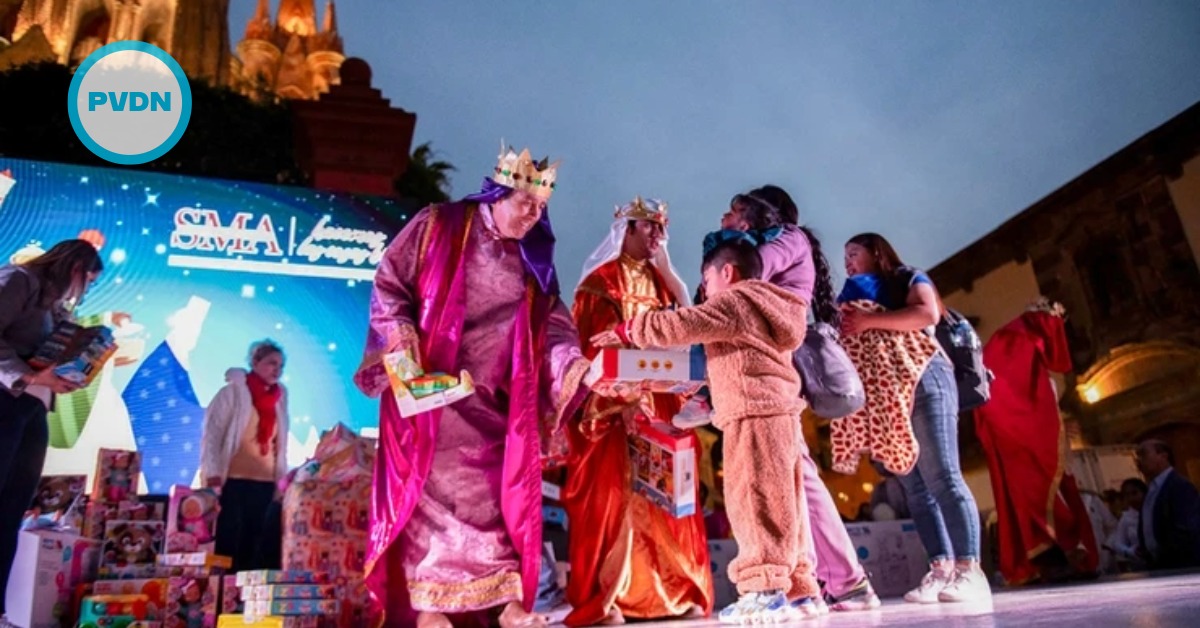
For a couple of hours on January 6, San Miguel de Allende felt like a living Christmas postcard—hoofbeats on cobblestones, brass-band bursts echoing off colorful façades, and kids craning for a first glimpse of the Three Kings. The Cabalgata doesn’t just pass by; it gathers people into the street, letting the city’s faith-and-festival side take over the afternoon. Where did it start, who played the Kings this year, and why does this nearly 90-year tradition still pull families outside before sunset?
A tradition with deep local roots
Día de Reyes lands every year on January 6, but in San Miguel de Allende, it doesn’t feel like a date on a calendar. It feels like the final, warm heartbeat of the holiday season, when the city shifts from posadas and Christmas lights into something older and more intimate: a public act of devotion that also happens to be a joyride.
The Cabalgata de Reyes Magos has been part of that rhythm for generations. Local officials trace its origins back to the Oratorio de San Felipe Neri and credit an Oratorian priest, Doroteo Balderas, with helping launch what has grown into a tradition nearing nine decades. Over the years, the details evolve—who rides, which musicians join, how many families line the route—but the intention stays remarkably steady: bring the Three Kings through the streets, and end at the Oratorio to honor the Niño Jesús.
From El Cardo to the Oratorio
This year’s procession began in the El Cardo area at 4:30 p.m., timed to arrive near the Oratorio just before 6 p.m., when the light starts to soften and San Miguel’s colors turn theatrical. In the days leading up to the event, the “Reyes” theme was already in the air, with residents spotting the Magi around town and at local tianguis.
As the caravan moved toward the center, it threaded through streets where space is tight and sound travels far. A traffic advisory circulated ahead of time describing a path that runs through key downtown corridors, including stretches along San Rafael, Avenida Guadalupe and Insurgentes before continuing deeper into the historic grid toward the Oratorio area. That practical detail mattered for residents trying to plan around closures, but it also hints at why the Cabalgata feels so personal: it isn’t confined to a single plaza. It visits neighborhoods, then funnels everyone toward the same shared finish line.
Along the way, wind-band music kept the pace lively, and the tradition of handing out aguinaldos—small treat bags and gifts—turned the street into a moving celebration for children who waited with the kind of focused patience that only comes with a promise of Reyes magic.
The Kings and the riders
One of the biggest talking points this year was who took on the roles of Melchor, Gaspar and Baltasar. The Kings were represented by well-known equestrian bullfighting figures, with rejoneador Pablo Hermoso de Mendoza joined by his son Guillermo, alongside the San Miguel-born matador Francisco Martínez. It’s an unusual casting choice on paper, but on the street it makes a certain sense: the Cabalgata is, at its heart, a horse-driven procession, and these are riders with presence—people who know how to hold a crowd’s attention without saying a word.
City authorities also emphasized safety, urging families to keep a close eye on their kids as the procession passed, and noting the preventive security operation in place along the route. In a parade that mixes horses, music, narrow streets, and excited children stepping forward for gifts, that reminder isn’t background noise—it’s part of what keeps the tradition sustainable year after year.
What this means if you’re new to town
If you’re an expat still learning San Miguel’s holiday cadence, the Cabalgata is a useful key. It shows you how faith, family, and public space overlap here, and how the city can turn something deeply religious into something welcoming without flattening it into a tourist performance. You don’t need to know every reference to feel what’s happening: a community reenacting a story, kids hoping for a little extra wonder, and a city choosing to end the season together, in the street, before the sun goes down.