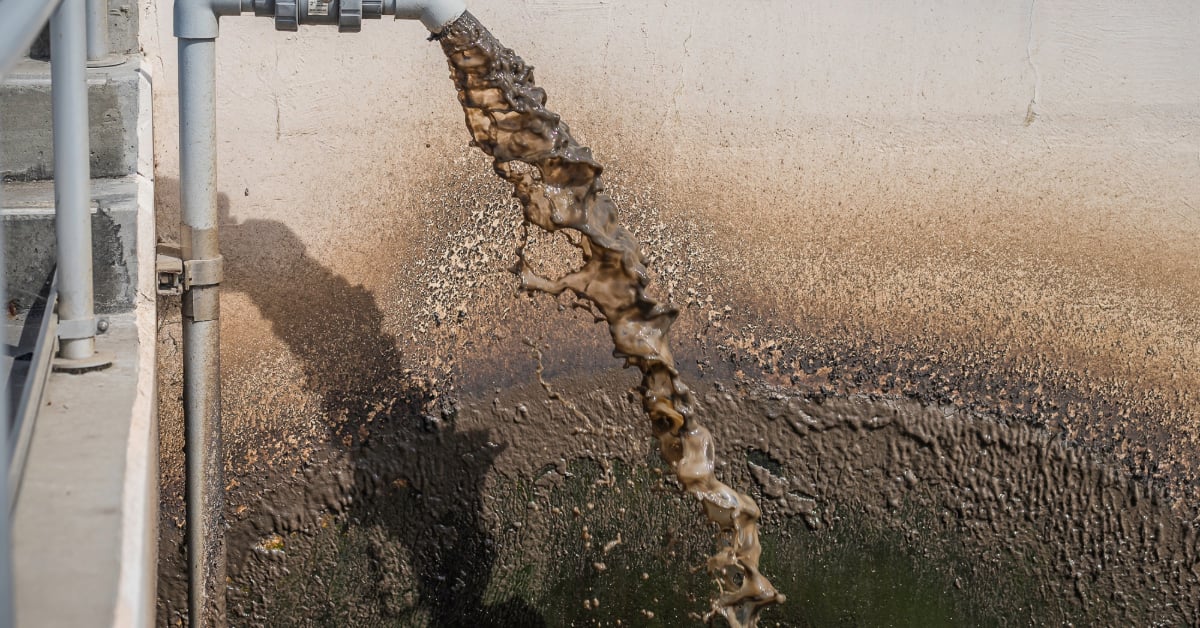
Tijuana News – On July 24, 2025, the United States and Mexico signed a landmark agreement to tackle the Tijuana River sewage crisis, a decades-long issue that has polluted beaches in Southern California and strained binational relations.
The memorandum of understanding (MOU), signed in Tijuana, commits both nations to a coordinated investment in wastewater infrastructure. The goal: stop up to 50 million gallons per day of untreated or poorly treated sewage from spilling into the Pacific Ocean and crossing into U.S. territory.
Mexico commits $93 million to speed up infrastructure repairs
Under the agreement, Mexico will fast-track $93 million USD in sewage and drainage projects in Tijuana and nearby cities. These upgrades include modernizing pump stations, repairing broken sewer lines, and expanding treatment capacity at critical plants.
Many of these efforts were initially projected for 2027 or beyond. The new timeline moves some projects ahead by several years, with work beginning immediately, according to officials from Mexico’s water and environmental agencies.
U.S. to expand South Bay plant by end of August
On the U.S. side, the International Boundary and Water Commission (IBWC) will oversee the expansion of the South Bay International Wastewater Treatment Plant near San Diego. The plant currently processes 25 million gallons per day (MGD) and will be upgraded to 35 MGD by August 2025.
The additional 10 MGD will allow the U.S. facility to handle overflow and partial treatment from Mexico, which has long overwhelmed its own systems during rainy seasons or mechanical failures.
The expansion is funded in part through the USMCA Border Environment Infrastructure Fund, supported by the U.S. Environmental Protection Agency (EPA) and the North American Development Bank.
A decades-long crisis getting a coordinated response
Pollution from the Tijuana River has plagued communities on both sides of the border for decades. Surfers, lifeguards, and residents of Imperial Beach, Coronado, and San Diego have long reported health issues, beach closures, and environmental degradation due to the sewage-laden runoff.
The situation has worsened in recent years. According to California state officials, Southern California beaches experienced record closures in 2023 and 2024 due to contamination. A 2024 EPA report found bacterial levels up to 60 times higher than acceptable limits on several occasions.
The cross-border nature of the problem has made progress difficult. While both countries have invested in patchwork solutions over the years, the new deal marks the first major coordinated plan to fully resolve the issue.
Activists and local officials cautiously optimistic
Local officials in Baja California and San Diego hailed the agreement as a breakthrough. San Diego Mayor Todd Gloria called it “a long-overdue act of binational responsibility.” Activist groups like Wildcoast and Surfrider Foundation expressed cautious optimism but warned that oversight and transparency would be key.
“This deal only works if both sides follow through,” said a Wildcoast spokesperson. “We’ve seen great plans stall in the past.”
Officials say construction will begin within weeks, with monthly updates planned by both governments to track progress and resolve delays.
What’s next for the border region?
If completed on time, the combined infrastructure upgrades will divert, treat, or prevent up to 50 million gallons of contaminated water from entering the Pacific Ocean each day—enough to dramatically improve water quality at beaches from Tijuana to Coronado.
It also sets a precedent for future binational environmental cooperation. Observers note that the deal could be a blueprint for tackling other shared challenges—like air pollution, river conservation, and urban flooding—along the 2,000-mile U.S.–Mexico border.
With a final construction deadline of late 2025, the region is watching closely to see if this historic effort delivers on its promise.