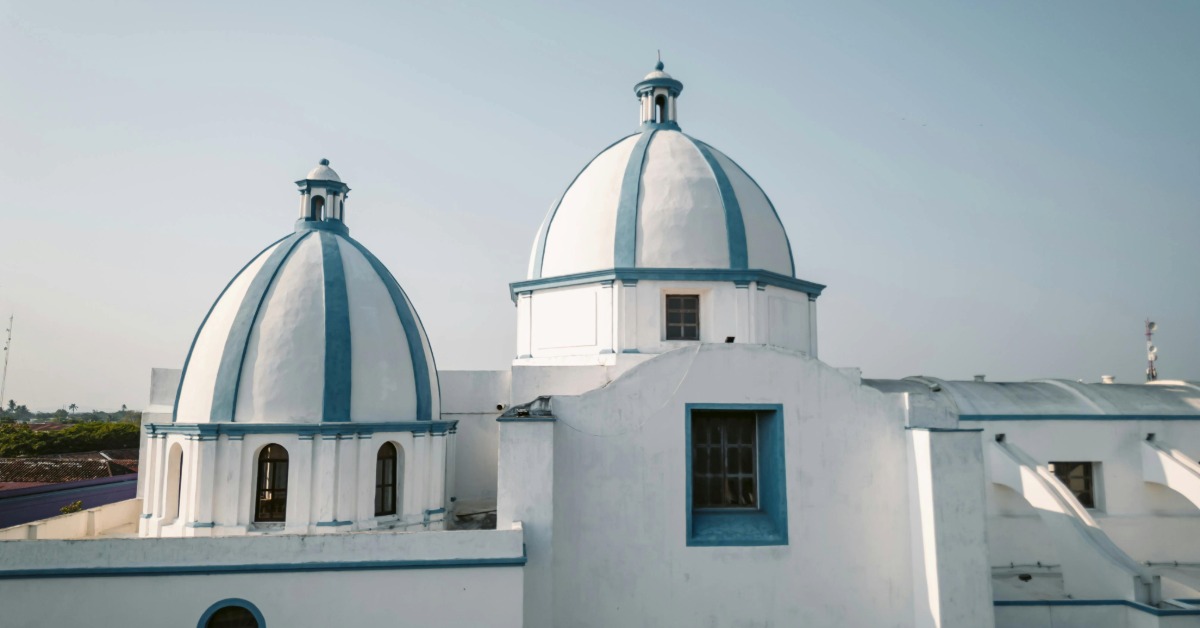
Imagine a riverside town where time slows down, colors come alive, and music spills from every doorway. Welcome to Tlacotalpan, a peaceful port town in the Mexican state of Veracruz. With its pastel-hued buildings, colonial architecture, cobblestone streets, and deep cultural roots, Tlacotalpan is not only beautiful—it’s timeless.
This UNESCO World Heritage Site remains one of Mexico’s best-kept secrets, a vibrant yet tranquil destination where history, music, and everyday life merge on the banks of the Papaloapan River.
A Town Shaped by the River
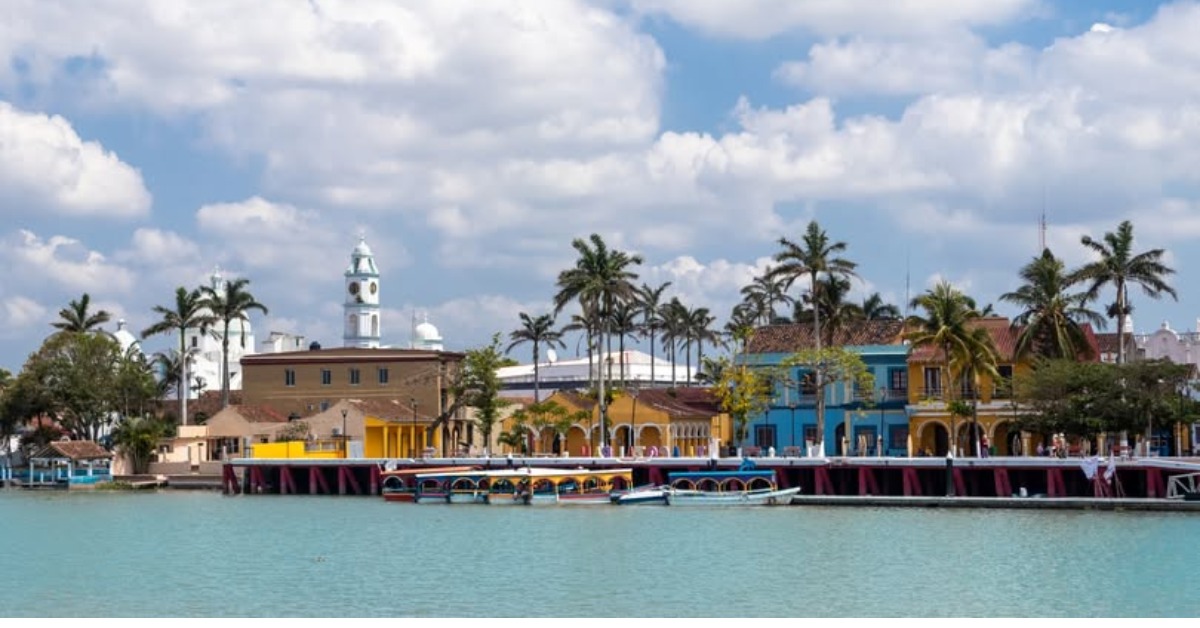
Tlacotalpan’s story is inextricably tied to the Papaloapan River, which wraps around the town in a graceful curve. Founded in the 16th century by Spanish settlers, Tlacotalpan was once a thriving inland port that connected the interior of Mexico with the Gulf Coast. Goods like tobacco, lumber, and textiles passed through this vital hub, and European ships regularly docked at its shores.
Though its days as a commercial port are long gone, the river still defines the town’s identity. Arriving by boat—or at least taking a river cruise—is the most poetic way to approach Tlacotalpan. From the water, the town unfurls like a painter’s palette: low-slung, colonial homes painted in bright shades of pink, yellow, turquoise, and green reflect off the still surface of the river, giving the town a dreamy glow.
First Stop: Plaza Zaragoza, the Heart of Tlacotalpan
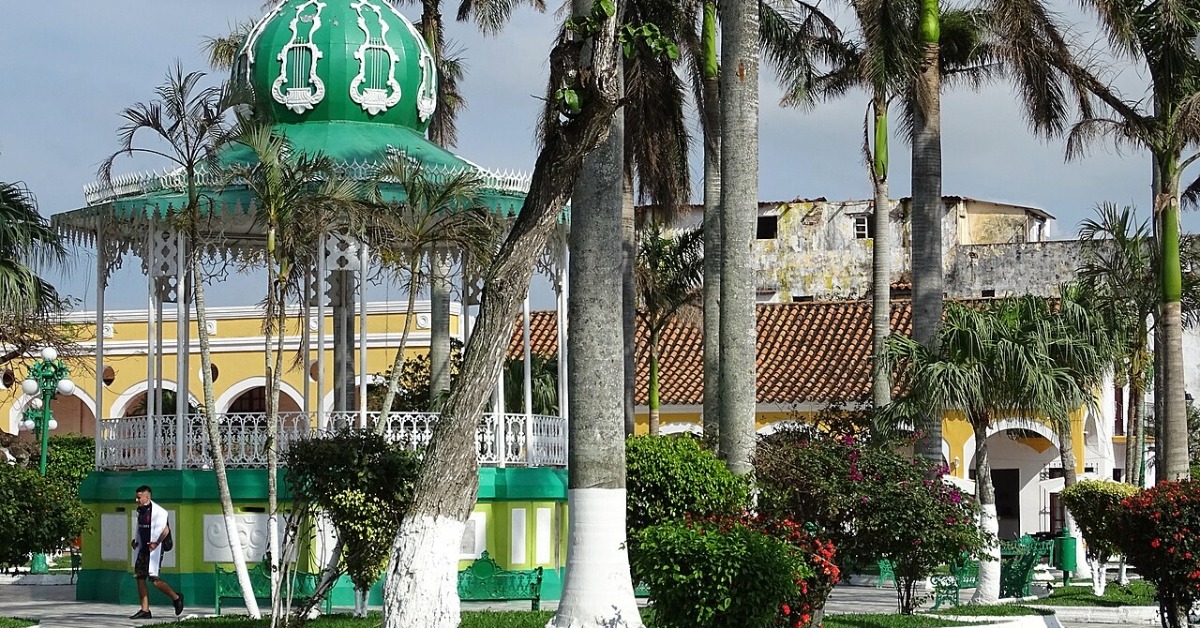
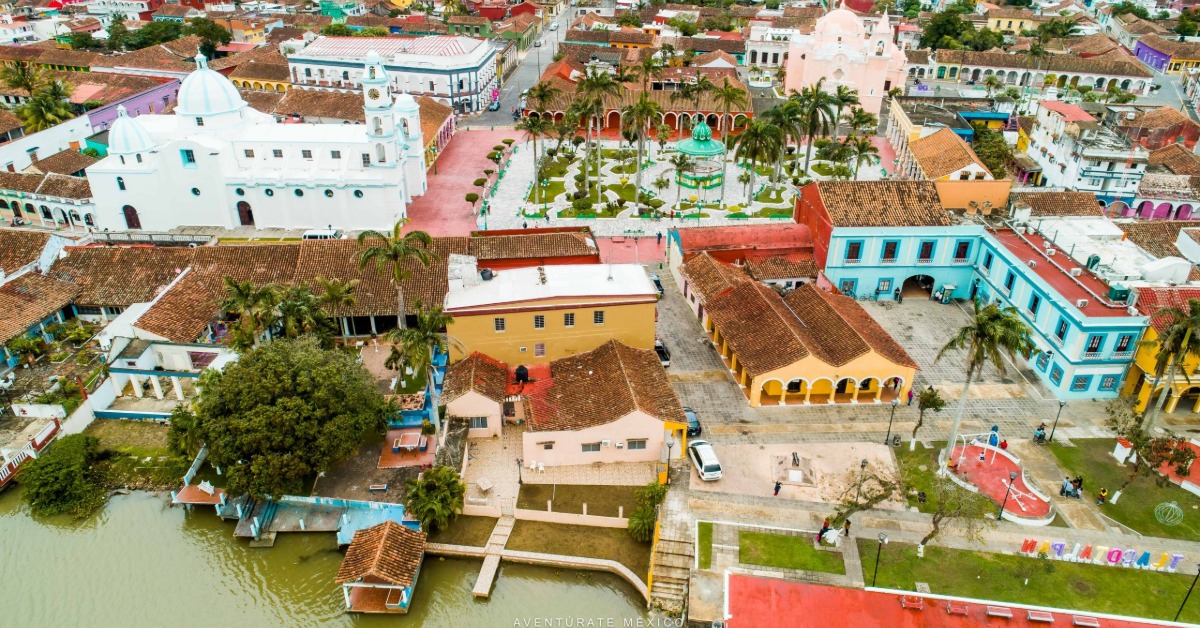
Start your visit at Plaza Zaragoza, the heart of Tlacotalpan’s historic center. This peaceful square is where locals gather in the afternoons to sit in the shade of tall palms, sip coffee, or chat with neighbors. Its centerpiece is a neoclassical kiosk, and it’s surrounded by graceful colonial buildings with arcaded walkways.
The plaza is flanked by three landmark buildings:
- The Sanctuary of Our Lady of Candelaria: Dating back to the 18th century, this bright white church with coral stone walls is the religious and spiritual soul of the town. Inside is the revered image of the Virgin of Candelaria, the town’s patron saint, whose feast day in February sparks the biggest celebration of the year.
- Parroquia San Cristóbal: With its mix of neoclassical and Moorish architecture, this 19th-century church stands out with its pale blue and white color scheme. Inside, wooden altars and religious art transport you back to another era.
- The Municipal Palace: Completed in 1849, this elegant building houses civic offices and also displays works by famed local painter Salvador Ferrando, along with historic documents and artifacts.
Spend time here soaking in the atmosphere—musicians often gather to play son jarocho (a regional folk genre), and you might even catch a spontaneous dance performance in the square.
Culture on Every Corner
Tlacotalpan punches far above its weight when it comes to culture and the arts. For a town of fewer than 10,000 residents, it’s remarkably creative. Wander its quiet streets, and you’ll stumble upon museums, artisan workshops, and homes filled with stories.
Don’t miss:
- The Salvador Ferrando Museum: This museum is housed in the former home of Tlacotalpan’s most famous painter. Ferrando’s 19th-century works capture life along the Papaloapan and include portraits, landscapes, and nautical scenes. The museum also features period furniture and everyday items that offer insight into local life from generations past.
- The Agustín Lara House Museum: Famed Mexican composer Agustín Lara, known for his romantic boleros, spent part of his childhood in Tlacotalpan. The museum features photos, sheet music, and memorabilia that chronicle his prolific career and his connection to the town.
- Casa de la Cultura Agustín Lara: More than a museum, this community center offers classes in jarana (a small regional guitar), traditional dance, poetry, and more. It’s a hub of artistic expression and a great place to experience local traditions firsthand.
- Mini-Zoo Pío Barrán: One of the town’s most eclectic attractions, this riverside home is part wildlife sanctuary, part Agustín Lara shrine, and part curiosity cabinet. Crocodiles, parrots, turtles, and iguanas roam semi-freely while rooms are decorated with music memorabilia and vintage oddities.
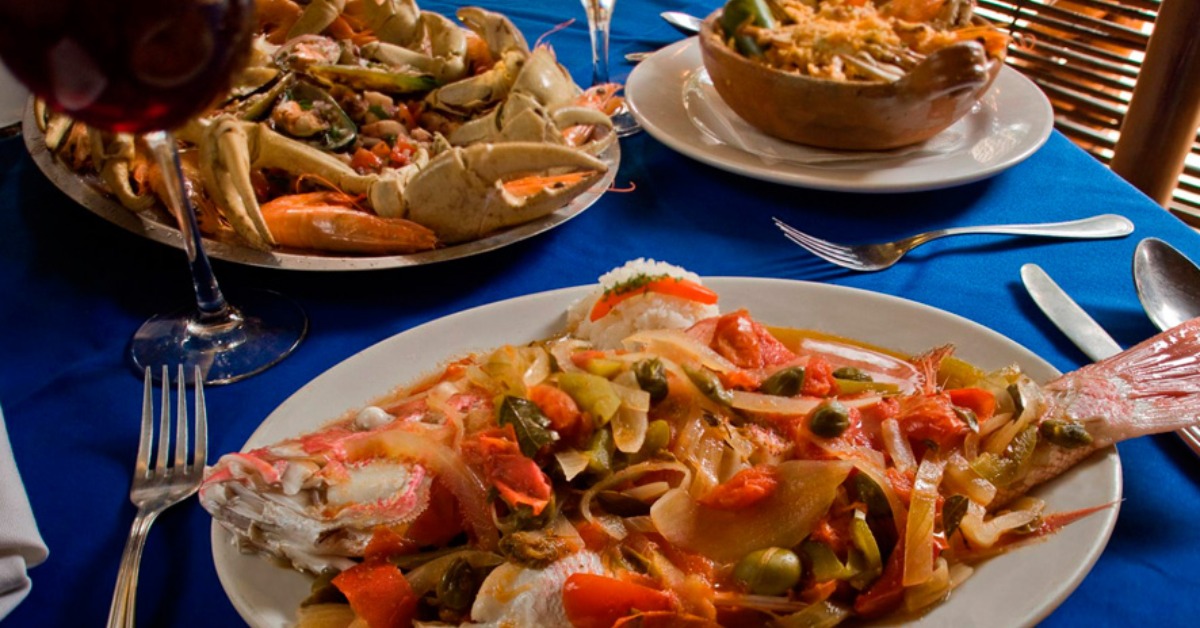
A River of Flavor
Tlacotalpan’s cuisine is deeply influenced by its river setting. Freshwater fish like jolote (a local mojarra species), shrimp, and crab feature heavily on menus. The flavors are bold, rustic, and unapologetically Veracruzano. Don’t miss the tismiche, a fermented shrimp dish with chili and garlic—spicy, pungent, and unforgettable.
Another local specialty is the torito, a sweet, creamy alcoholic drink made with local fruits (guava, peanut, or coconut) and sugarcane liquor. For an authentic taste, head to La Blanca Nieves, a bar with more than 60 years of history and a favorite haunt of Agustín Lara himself. His statue—complete with fedora and guayabera—still watches over the bar.
The malecón, a riverwalk lined with eateries and boat docks, is the perfect place to grab a snack and watch the world drift by. Street vendors offer tamales, fried mojarra, and empanadas, and the rhythm of life here is as slow as the Papaloapan itself.
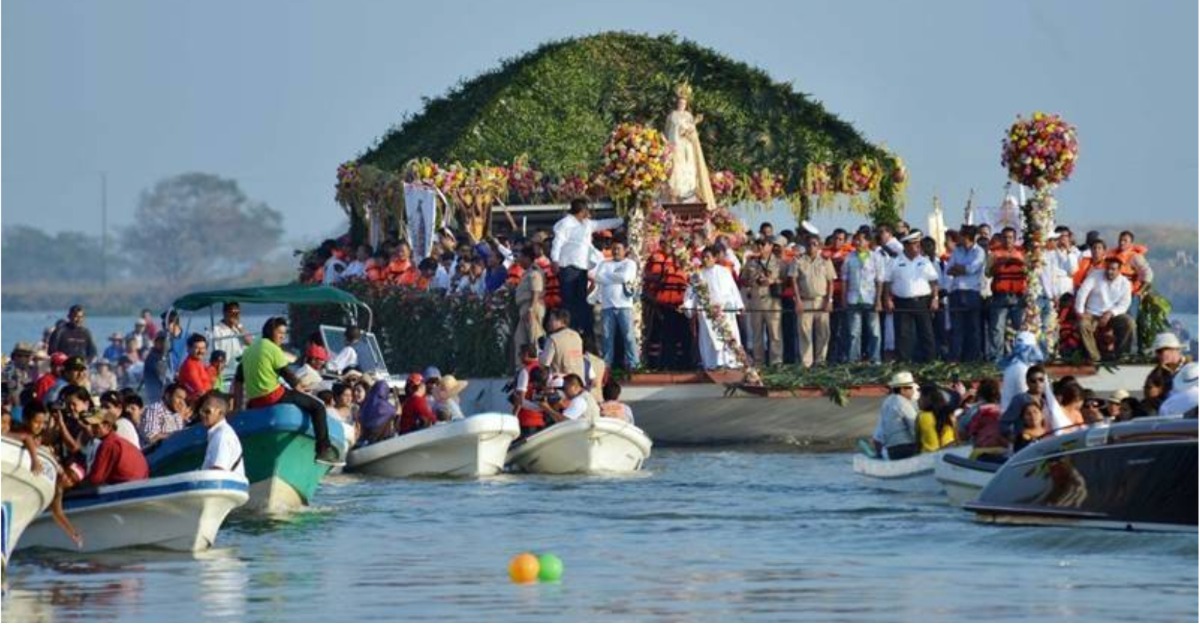
The Festival of the Candelaria: Faith Meets Fiesta
Each year from January 31 to February 9, Tlacotalpan bursts into color and sound for the Fiesta de la Candelaria, one of the most vibrant and deeply rooted celebrations in Mexico. It’s both a religious pilgrimage and a cultural extravaganza.
The festivities include:
- La Cabalgata: Dozens of riders on horseback, dressed in traditional Jarocho attire, parade through town, a nod to Tlacotalpan’s ranching heritage.
- The Procession of the Virgin: The statue of the Virgin of Candelaria is carried through the streets and even taken out onto the river in a boat adorned with flowers and candles.
- Encuentro Nacional de Jaraneros y Decimistas: This National Gathering of Jarana Players and Poets is a multi-day music festival where improvisation reigns. Musicians from across the region gather to play traditional instruments like the jarana, requinto, and harp while poets craft and recite verses in the style of “décima” (ten-line stanzas).
- Fandangos: Street parties with live music, dancing, and community spirit that often continue well into the night. These aren’t performances—they’re participatory celebrations that welcome locals and visitors alike.
If you’re lucky enough to be in Tlacotalpan during this festival, you’ll witness a beautiful fusion of devotion, art, and revelry unlike anywhere else in the world.
A Living Museum of Colonial Architecture
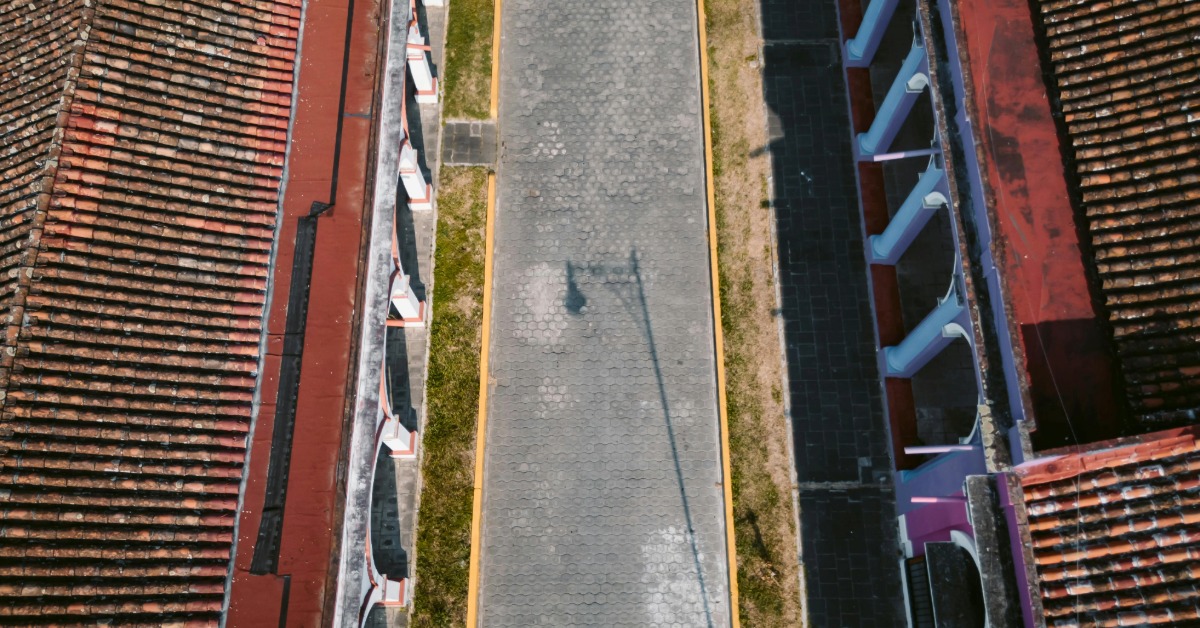
Tlacotalpan’s charm lies not just in its landmarks, but in the everyday beauty of its buildings. The town’s layout, designed in the 1700s, follows a strict grid plan with wide streets, spacious plazas, and one-story homes.
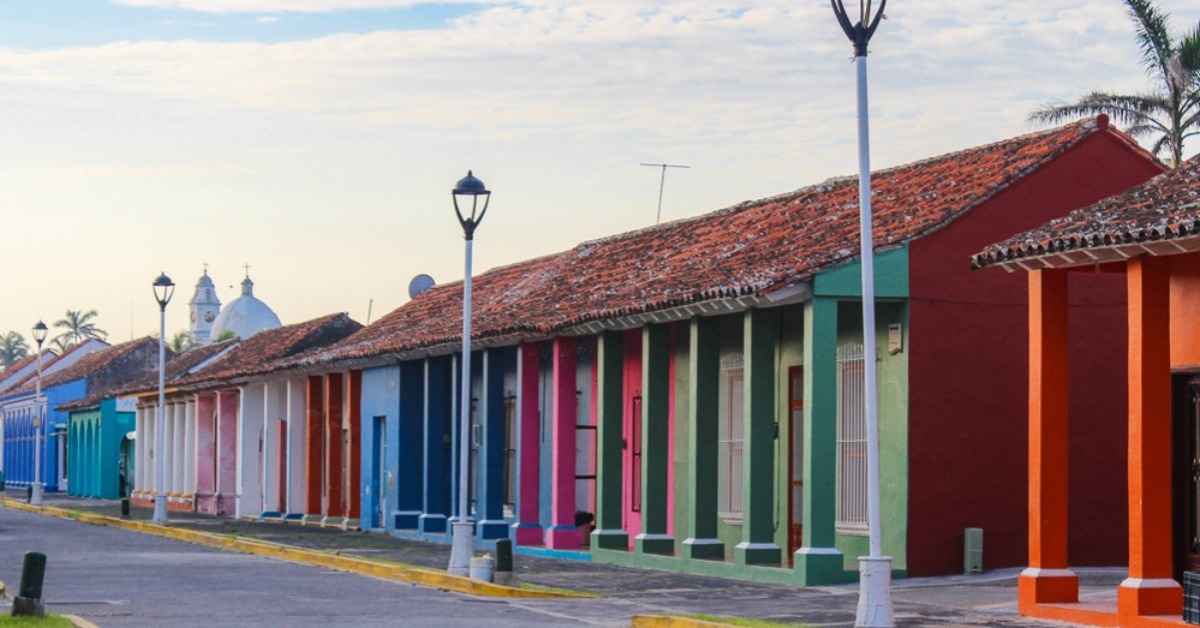
These houses, often with red-tiled roofs, open arcades, and elaborately carved wooden doors, are painted in cheerful colors and adorned with wrought-iron lanterns and flower-filled patios. It’s a photographer’s dream.
Thanks to local and international conservation efforts, much of the original architecture remains intact. In fact, it’s this remarkable preservation that led UNESCO to declare Tlacotalpan a World Heritage Site in 1998. The town is considered one of the best-preserved examples of a Spanish Caribbean port town in the Americas.
When to Visit and Travel Tips
Best time to visit: February during the Fiesta de la Candelaria is the most exciting time to visit, but it’s also the most crowded. For a quieter experience, aim for late winter or early spring when the weather is pleasant and the crowds are few.
Getting there: Tlacotalpan is about two hours southeast of Veracruz City by car. Public transport is available but limited; renting a car gives you the most flexibility.
Where to stay: Boutique hotels in historic homes offer an authentic experience. Some even include breakfast on riverside terraces. Book early if visiting during festival season.
What to bring: Comfortable walking shoes, a sun hat, insect repellent, and—most importantly—your curiosity and appreciation for music and tradition.
Why Tlacotalpan Is Worth the Detour
Mexico is full of beautiful colonial towns—San Miguel de Allende, Guanajuato, Oaxaca—but Tlacotalpan feels different. It’s not a tourist magnet with craft beer bars and boutique art galleries. Instead, it’s a living, breathing community that’s preserved its way of life with remarkable pride.
The locals greet you with warmth, not sales pitches. The music is spontaneous, not scheduled. The celebrations are real, not staged. Here, culture is not something to consume—it’s something to join.
So if you’re looking to discover a deeper side of Mexico, one that echoes with poetry, faith, music, and community, Tlacotalpan is waiting.
Final Thought
There’s a moment late in the afternoon in Tlacotalpan when the sun turns the river into gold, the jarana strings echo from a nearby plaza, and the pastel walls seem to glow from within. In that moment, you understand why this place endures—not just as a heritage site, but as a home, a sanctuary, and a celebration of everything beautiful about Mexico.