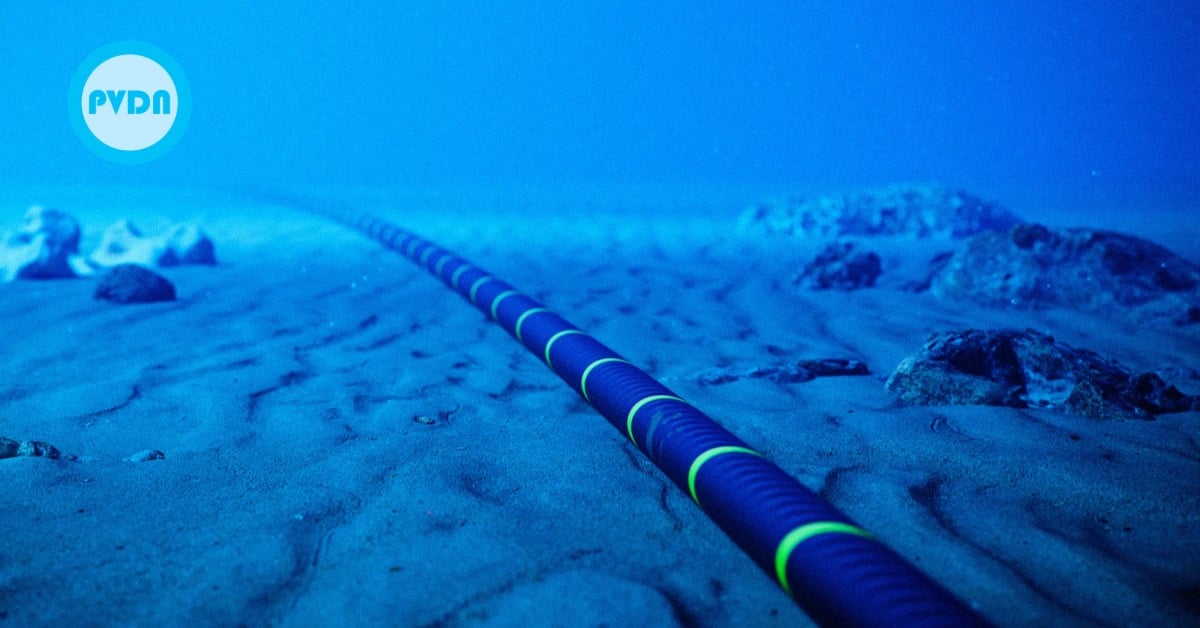
Telmex just switched on a new undersea link between San José del Cabo and Mazatlán. The TMX5 submarine cable is short on flash but big on stakes: 383 kilometers of fiber meant to keep Baja California Sur online when weather or outages hit. Local officials say the project adhered to environmental rules; the company claims it provides the backup paths the peninsula has long needed. For homes, hospitals, tourism, and small businesses, it could mean fewer “internet’s down” days when the Gulf turns rough.
TMX5 submarine cable
San José del Cabo now has a direct connection to the mainland. Telmex activated a 383-kilometer fiber route under the Gulf of California, linking the city to Mazatlán and, by extension, to the national backbone. The company states that the system is designed to maintain uninterrupted voice, data, and video services, with added redundancy in place to ensure continued operation in the event of trouble. Local outlet Peninsular Digital reported the switch-on on September 25 and highlighted Telmex’s goal of hardening connectivity for Baja California Sur.
Telmex’s own announcement pegs the in-service date to September 23 in San José del Cabo, framing the project as a strategic tie between Baja California Sur, Sinaloa, and the rest of Mexico. Technical notes repeated across industry coverage match what locals were told: 383 km of fiber, a spend north of US$25 million, and integration with terrestrial networks at both landings.
Why it matters for Baja Sur
BCS sits at the far end of long, fragile routes. One fiber cut, a storm, or a power failure on the wrong span can ripple through homes, clinics, schools, hotels, and call centers. TMX5 is meant to lower that risk. By adding an alternate path across the Gulf, traffic can be rerouted when a primary line fails, thereby shrinking outage windows that have plagued the peninsula during peak season and hurricane months. That’s the promise in Telmex’s technical framing and in the local story’s emphasis on continuity.
Telmex also points to environmental supervision. According to company and trade press summaries, the build followed federal requirements, with oversight from SEMARNAT and the Navy, and worked closely with state and local authorities throughout the installation process. It’s a procedural detail, but in the Gulf’s sensitive waters it matters — particularly as cables come ashore near busy beaches and marine habitats.
What the switch-on changes today
For end users, nothing flashy happens on day one. Speeds won’t magically double, and dead zones won’t vanish overnight. The real change is resilience. With TMX5 lit, operators have a new path to shift traffic during maintenance or emergencies. That helps keep streaming stable, card terminals alive, and hospital networks reachable when the weather turns or a backhoe hits a duct. National outlets and tech publications tracking the launch align on those core points, confirming the route and spend.
Industry trackers also note that the cable lands at San José del Cabo and Mazatlán, integrating with terrestrial fiber in both cities. That’s key: redundancy only works if the cable ties cleanly into the backbone on land. Telmex and multiple independent reports confirm this, which is why the company is pitching the system as a peninsula-wide reliability play, not just a tourist-corridor upgrade. TMX5 submarine cable is the term to watch in future network status updates for the region.