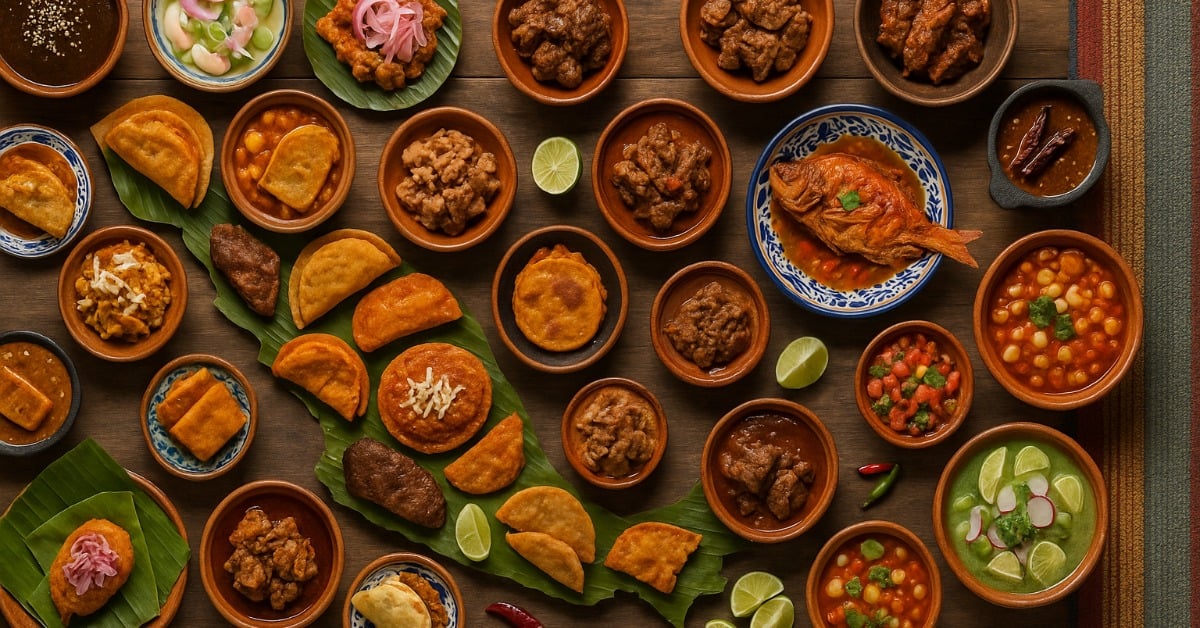
Travel Mexico through its kitchens. Discover the most traditional dish in every Mexican state with context, origins, and tips on ordering like a local.
In Mexico, food is history you can taste. Dishes carry migration, climate, and ritual in every bite. Ask ten locals what’s “most traditional” and you’ll get ten good answers. This guide chooses the plate most residents name first, the one you’d urge a visitor to try before they leave. It isn’t the only answer for each state. It’s the most honest place to start.
Northwest
Where desert meets cold Pacific, the pantry swings from mesquite and beef to shrimp pulled hours from shore. Wheat tortillas stretch paper-thin, grills run hot, and plates stay direct: smoke, salt, citrus, done. Border kitchens add speed and swagger without losing the ranch roots.
Baja California’s border kitchens gave the world the Ensenada fish taco. Fresh-caught white fish meets a quick batter, a hot fry, and a cool crunch of cabbage. A lime squeeze and crema tie sea and street together.
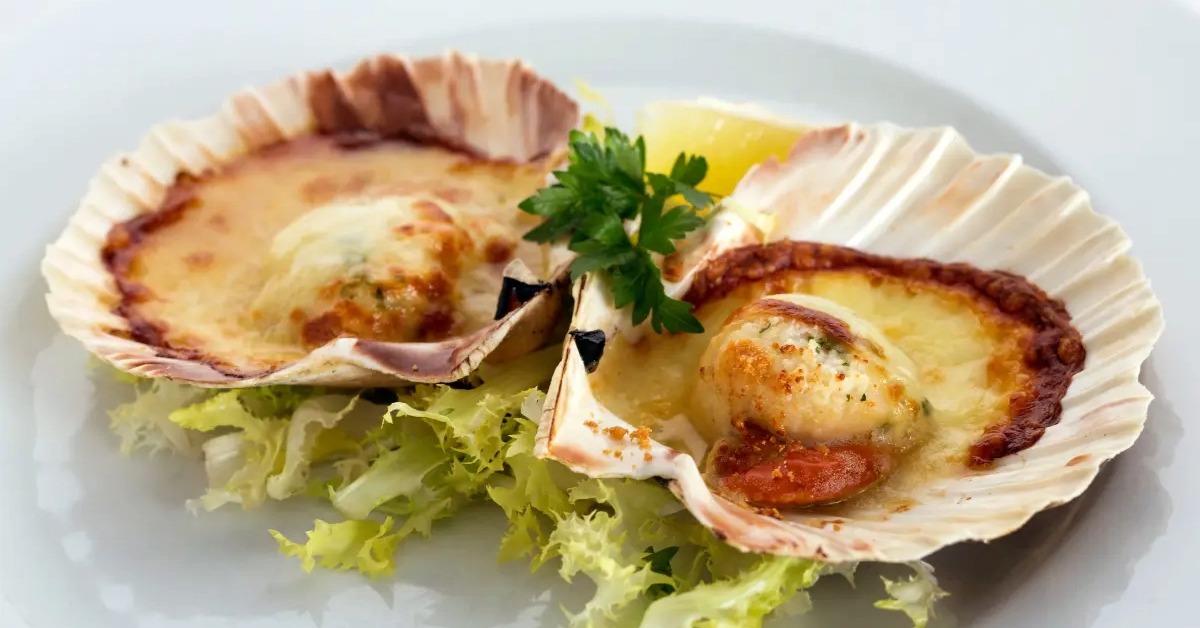
Baja California Sur leans on the Gulf. The almejas chocolatas tatemadas are roasted in their shells until sweet and smoky. You taste tide, mangrove, and sun in one bite. Machaca shows up at breakfast, but the clam is the region on a plate.
Sonora is beef country. Carne asada sonorense is fire, mesquite, and a butcher’s cut. Tortillas there are wheat-thin and almost translucent. Fold, salt, and the ritual does the rest.
Sinaloa moves between surf and farm. The state’s banner is aguachile, chiltepin-hot and lime-bright over raw shrimp. It’s fast, cold, and alive—built for heat and beer and long afternoons.
Chihuahua cooks on a comal big enough for neighbors. Discada starts with a plow-disc turned skillet and a crowd. Mixed meats render into one smoky fry-up that tastes of ranch life and weekend gatherings.
Durango dries, saves, and revives flavor. Caldillo durangueño blends chile pasado and beef into a lean, earthy stew. It’s mountain food: practical, deep, and better the second day.
Northeast
Ranch country rules here, and you taste it in the cuts, the slow roasts, and the love of a good flour tortilla. Industrial cities and border towns feed long shifts with sturdy, no-nonsense plates, from festival cabrito to layered tortas built for workdays.
Coahuila’s home tables simmer asado de puerco until pork and red chile become one. Cumin whispers in the pot. Stack it in flour tortillas and you’re set for hours.
Nuevo León roasts a memory into every festival. Cabrito al pastor turns slowly over coals, basted and patient. The result is tender, faintly smoky, and unmistakably regiomontano.
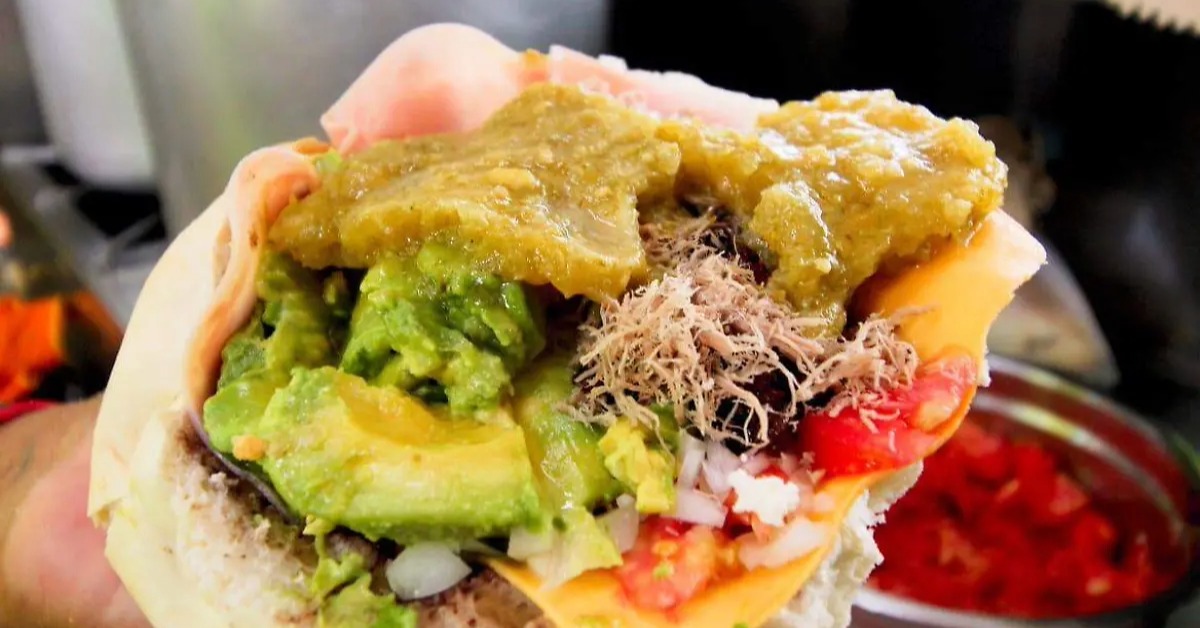
Tamaulipas eats in the street and at the port. The torta de la barda stacks meats, beans, cheese, and avocado into organized chaos. It’s Tampico fuel, built for dock work and long shifts.
Pacific West
This coastline cooks in two gears: fish kissed by fire and long, patient braises for Sundays. Mangrove smoke, lime, and chiles ride the seafood; copper pots and family spice blends anchor the inland kitchens. It’s beach and barrio sharing the same table.
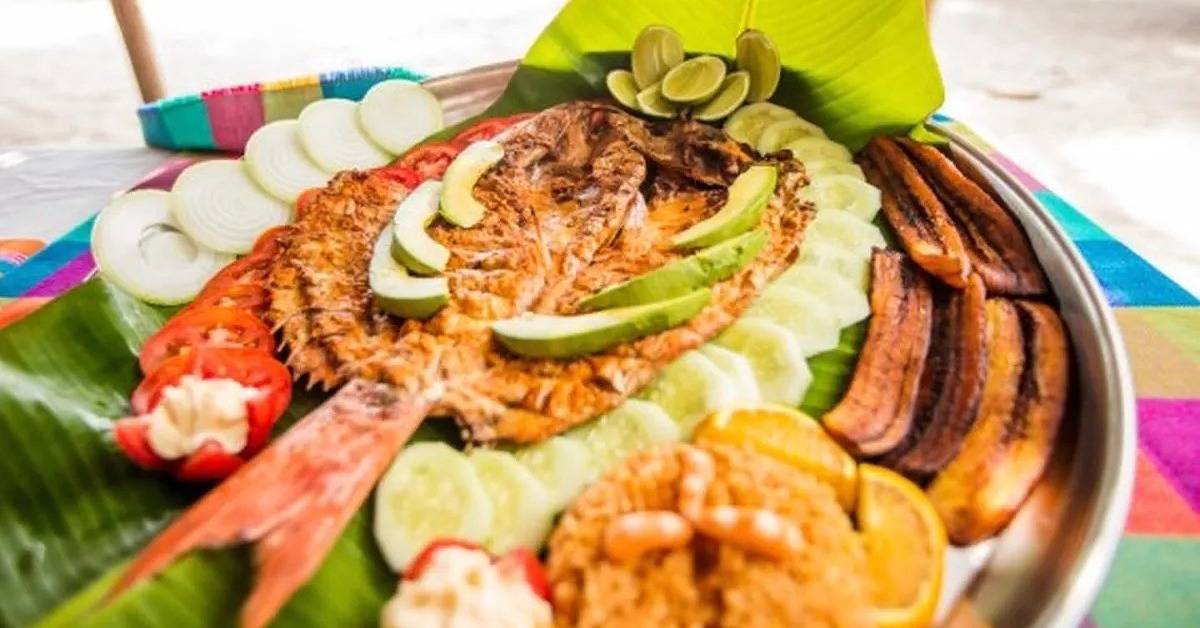
Nayarit smokes the shoreline. Pescado zarandeado is butterflied fish, rubbed in chiles, and grilled over mangrove wood. The flesh stays juicy; the skin crackles. Everyone eats with their hands.
Jalisco’s answer is party food and Sunday food alike. Birria de chivo braises long and slow in an adobo of warm spices and chiles. Sip the consomé, then make a taco. It’s a celebration in steps.
Colima has a dish that confuses outsiders and delights locals. Pozole seco sets nixtamal and pork on a banana leaf with a bright, crumbly garnish. It’s “pozole” without broth, and it works.
Michoacán owns two truths: corn and pork. Carnitas are copper-pot confit, cooked in their own fat until tender and caramelized. Eat them plain with lime and salsa. Add corundas if you can, but carnitas carry the flag.
The Bajío
High plains markets and old mining towns shaped food meant to travel and satisfy. Corn does the heavy lifting, chiles bring color more than heat, and wedding stews and stuffed enchiladas tell stories of community halls and street griddles working side by side.
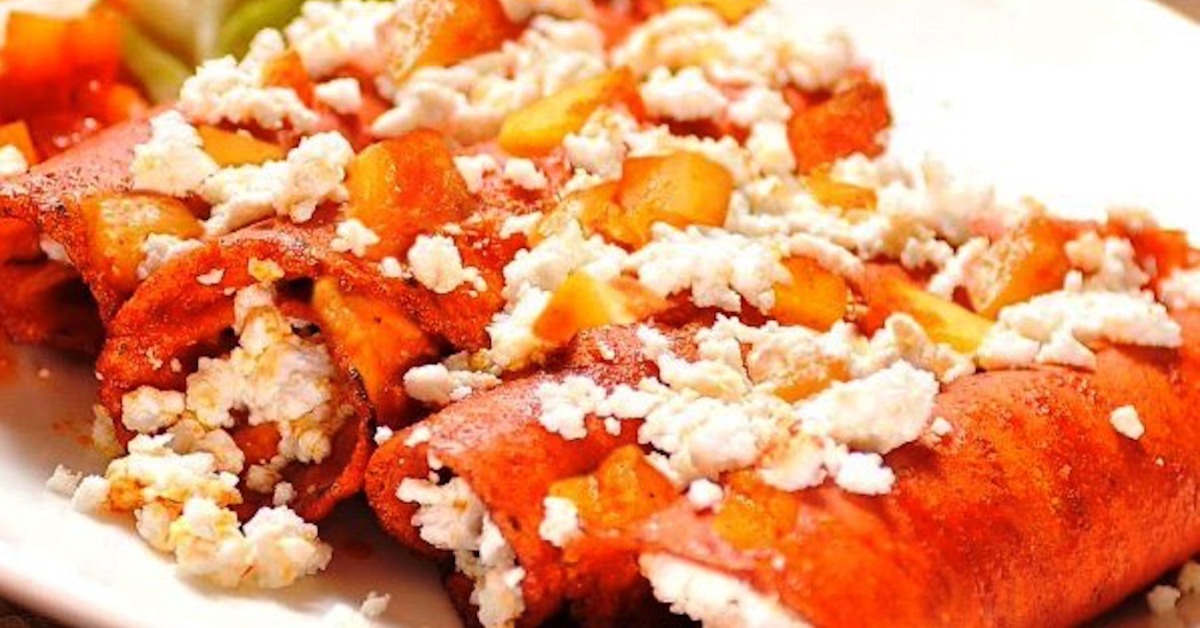
Guanajuato cooks for miners and markets. Enchiladas mineras are guajillo-red, stuffed with potato and carrot, and topped with crumbly cheese. It’s humble food that never feels small.
Querétaro keeps it simple and comforting. Enchiladas queretanas are antojito-stand staples: tortillas dipped in chile, filled with chicken, and finished with lettuce and queso. The key is balance, not heat.
Aguascalientes celebrates with a roast. Lechón al horno is festival meat—skin lacquered, meat soft, juices caught in tortillas. At Feria de San Marcos, you follow your nose to the right stand.
San Luis Potosí stamps its identity in dough. Enchiladas potosinas are red-tinted tortillas filled before cooking, then griddled and served hot. The first crack of salsa wakes the whole plate.
Zacatecas cooks for weddings, but the pot never stays empty long. Asado de boda is pasilla-rich pork, sweet and savory with a hint of clove. It feeds a town and teaches patience.
Central Highlands
Volcanic valleys and maguey country reward technique: pit-roasted lamb at dawn, slow-built moles, and meats dried under honest sun. This is ritual cooking with everyday reach—steam, smoke, and careful seasoning doing the quiet work.
The State of Mexico cooks under agave and ash. Mixiotes de carnero steam in maguey skin (or paper now), scented with chilies and herbs. Open one, and the aroma fills the room.
Hidalgo digs deep for flavor. Barbacoa de borrego en hoyo is a night-long pit roast wrapped in pencas. Dawn brings consomé in a cup and meat that falls apart at a glance.
Morelos offers sun-dried truth. Cecina de Yecapixtla is salted beef dried under heat, then seared quickly. Serve it with cream, cheese, and avocado. It tastes like a plaza lunch.
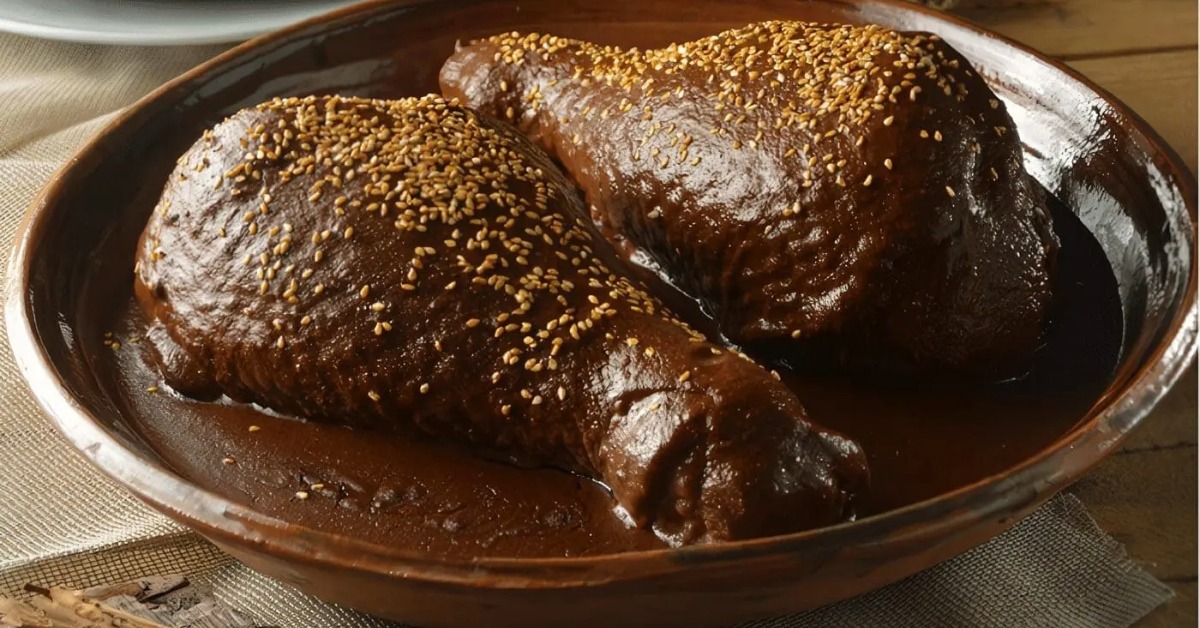
Puebla tells two stories, both legitimate. The daily anthem is mole poblano, a chile-and-spice sauce with chocolate’s quiet bass note. Ladled over turkey or chicken, it’s depth without heaviness.
Tlaxcala keeps a festival classic alive. Mole prieto is intense and celebratory, a community recipe with ritual heft. It’s not everyday food. That’s the point.
South and Gulf
Mountains, rainforest, and port cities collide here, and the plates reflect it. You’ll find bright tomato-olive sauces from old trade routes, herb-rich tamales wrapped in leaves, weekday pozole traditions, and deep moles that carry a whole pantry in one spoon.
Guerrero has Thursday. Pozole verde fills homes and pozolerías midweek, built on pumpkin seeds, tomatillos, and serrano. Toppings turn it into a choose-your-own feast.
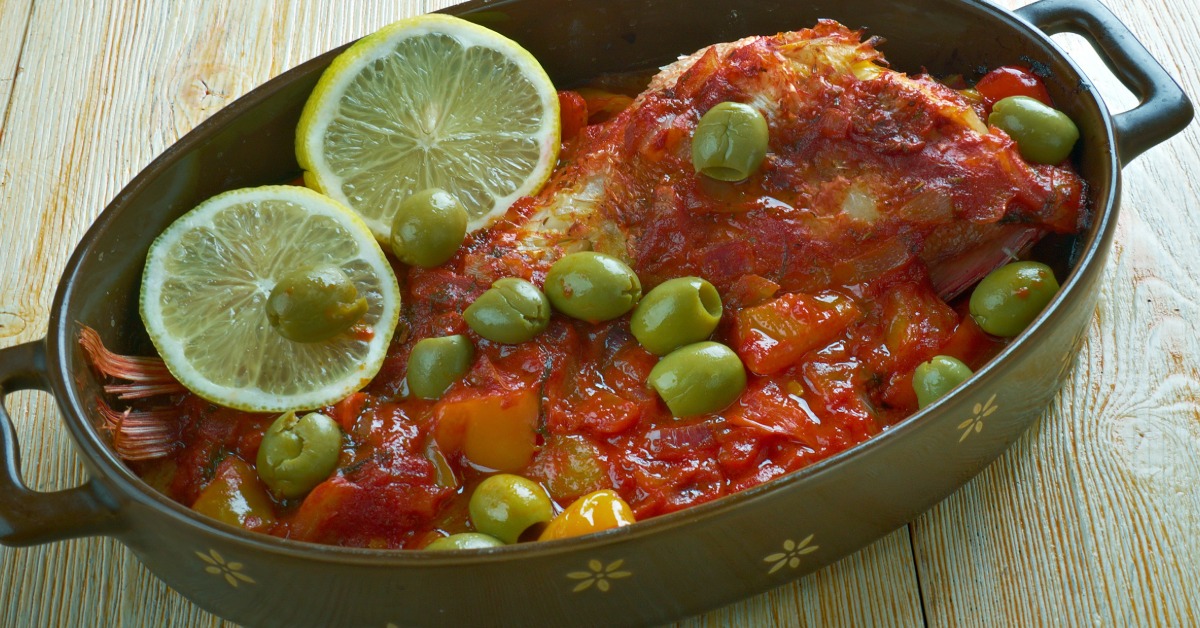
Veracruz cooks with olives, capers, and coastal breeze. Huachinango a la veracruzana bakes in a bright tomato sauce that arrived with ships and stayed. When it’s fresh, it’s flawless.
Tabasco grills a river. Pejelagarto asado chars outside and stays mild and dense inside. Add chilmol and a tortilla. You will think about it later.
Chiapas steams leaves and memories. Tamales de chipilín fold a native herb into masa for a floral, gentle aroma. They sit light yet satisfy, and they travel well.
Oaxaca carries an empire of sauces. Mole negro is smoke, spice, and sweetness in balance, a lesson in patience. It’s celebratory, but you’ll find it on everyday menus too.
Yucatán Peninsula
Limestone soil, sour orange, and achiote define the palate, with Maya techniques leading the way. Meat cooks underground until it yields, onions pickle bright, and whole fish take on smoke and citrus. The flavors are bold, sunlit, and unmistakably local.
Campeche layers the Gulf and the market. Pan de cazón stacks tortillas, black beans, and dogfish in a mild, spiced sauce. It’s lasagna by another name, and it works beautifully.
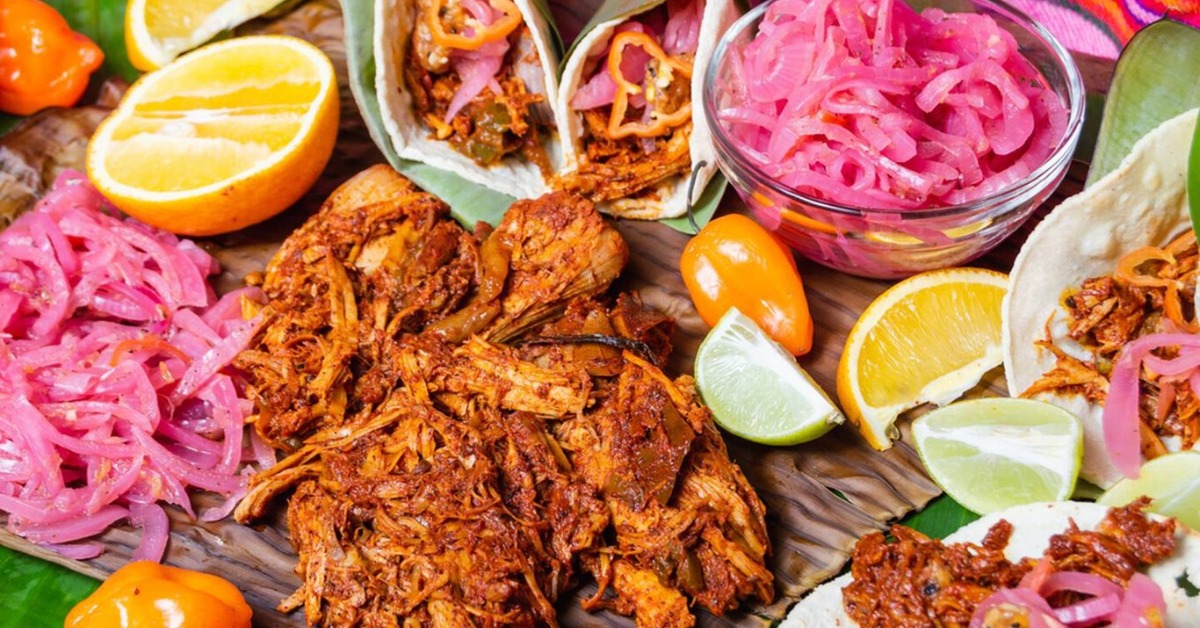
Yucatán slow-roasts under earth and orange. Cochinita pibil marinates in achiote and sour orange, then cooks in a pib. Pickled onion snaps against soft pork. It’s the peninsula in one taco.
Quintana Roo grills bright. Pescado tikin xic bathes in achiote, then roasts whole over coals. The color is rusty red; the taste is citrus and smoke.