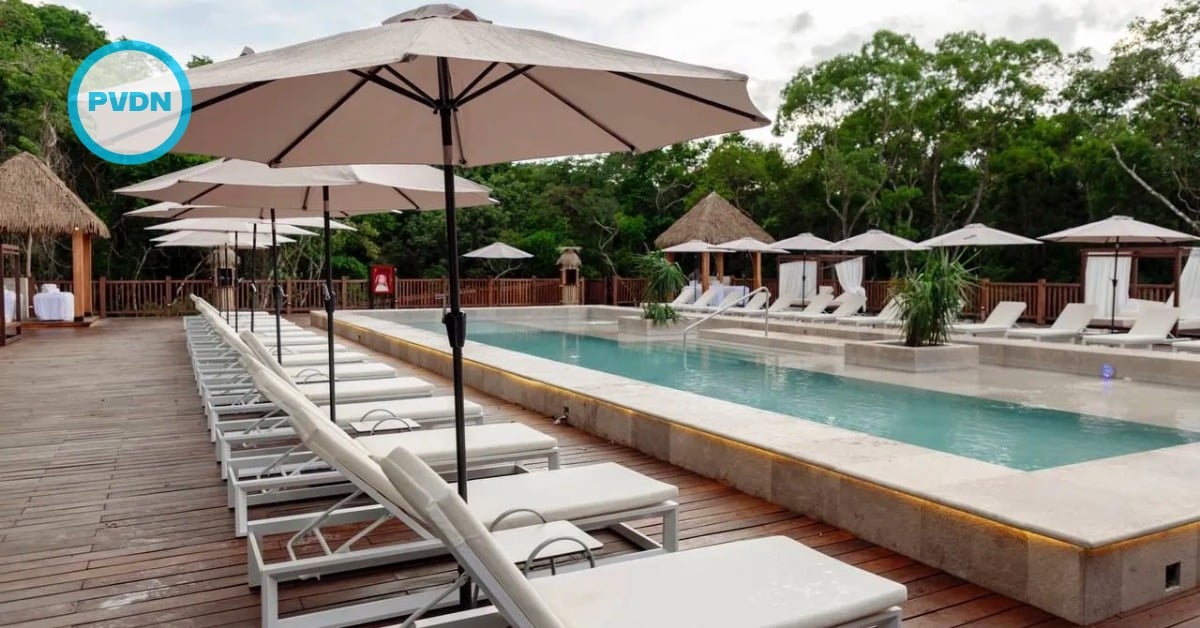
Mexico’s Defense Ministry quietly admitted what guests could already see: the new hotels on the rail corridor opened to thin crowds. Documents show the Army’s tourism company commissioned a “diagnostic and intervention” program across the chain after a lackluster first winter, starting with Tulum and then Palenque, to coach staff and tighten service before peak seasons. Three contracts totaling about 13.1 million pesos were awarded for workshops and process fixes, a rare glimpse into the hotel arm’s growing pains.
The network now trades under a friendlier name—Grupo Mundo Maya—after a June relaunch of the former mouthful GAFSACOMM. The rebrand came with summer packages bundling round-trip flights from AIFA, rail transport, stays, and activities, with prices shown in government materials from roughly 17,000 to 24,800 pesos depending on length and location. The pitch is simple: make it easy to book the southeast as a circuit, and fill rooms that sit near archaeological zones rather than beachfronts.
There are seven properties under the umbrella: six “resort-style” hotels by sites like Chichén Itzá, Uxmal, Edzná, Calakmul, Palenque and Tulum, plus a smaller business hotel at Tulum’s new airport. Most are marketed at the four-star level, with the flagship in Tulum carrying the heaviest room count. Their placement—close to ruins, far from the classic sun-and-sand strips—was strategic for the rail project, but it also means they compete in a different lane than Cancún-style resorts.
By spring, executives began putting numbers to the problem. The chain’s reported average occupancy hovered near 32%, with a public goal to reach 50% by year-end; at other moments, leaders floated a 35–40% target for late 2025 as a consolidation phase. In plain terms, the hotels are still finding their audience and may need subsidies until at least 2027 unless sales ramp faster. Those timelines square with earlier statements that break-even could slip without a stronger commercial strategy.
The demand picture is mixed across the region. Even Tulum, long a magnet, has cooled: hotel occupancy there slid to about 50% in September amid sargassum, price sensitivity, and friction around new public-access rules tied to federal projects. That soft backdrop makes it tougher for any newcomer to steal share—especially an upmarket chain still building brand recognition and distribution.
What the rebrand changes—and what it can’t
Rebranding to Grupo Mundo Maya solves a real problem: travelers, agents, and even locals stumbled over the old acronym. A clean name makes packaging and PR easier across hotels, parks, and the rail service. Government communications and media rollouts framed the shift as tourism-first positioning, not just a cosmetic tweak. But names don’t move beds on their own; sales channels, pricing, and on-site experience do.
On that front, the playbook is getting clearer. Packages bundle airfare, train segments, and stays, lowering planning friction. Public remarks also flagged rate reviews and a push into trade shows to seed the pipeline. The chain says operating income already covers day-to-day costs, yet the occupancy math shows plenty of headroom before the properties carry themselves fully.
Then there’s geography. These hotels were built to anchor cultural itineraries—Chichén Itzá at dawn, Uxmal by night, Calakmul’s biosphere—rather than to compete on beach-club buzz. That vision pairs well with the rail, which has moved more than a million riders since launch, but rail demand doesn’t automatically translate to multi-night stays at archaeological hubs. Converting pass-through riders into hotel guests will take sharper funnels and stronger transport links to stations.
The service fixes suggest Sedena knows it. Training rolled out to hundreds of employees across properties this spring, focusing on front-of-house culture and clearer roles after winter targets were missed. If execution catches up with the brand promise, reviews—and occupancy—should follow.
The road to 50 percent
Can the chain hit 50%? It’s doable with the right levers. The company itself has pointed to dynamic pricing, refreshed distribution, and a bigger push with national travelers—who already make up the bulk of Tren Maya ridership. But macro drags remain: a softer shoulder season, tighter consumer budgets, and local disputes around access and fees at new federal parks that can sour word-of-mouth. Each weighs on destination appeal, not just a single brand.
For now, the numbers tell a simple story. After an ambitious build-out, Tren Maya hotels are operating below plan. The operator has acknowledged the gap, invested in training, changed the name, and put bundles on sale. The next test isn’t another ribbon-cutting; it’s whether travelers book these rooms for what they offer—quiet nights by world-class ruins—and whether the chain can make that experience feel effortless from airport to platform to pillow.