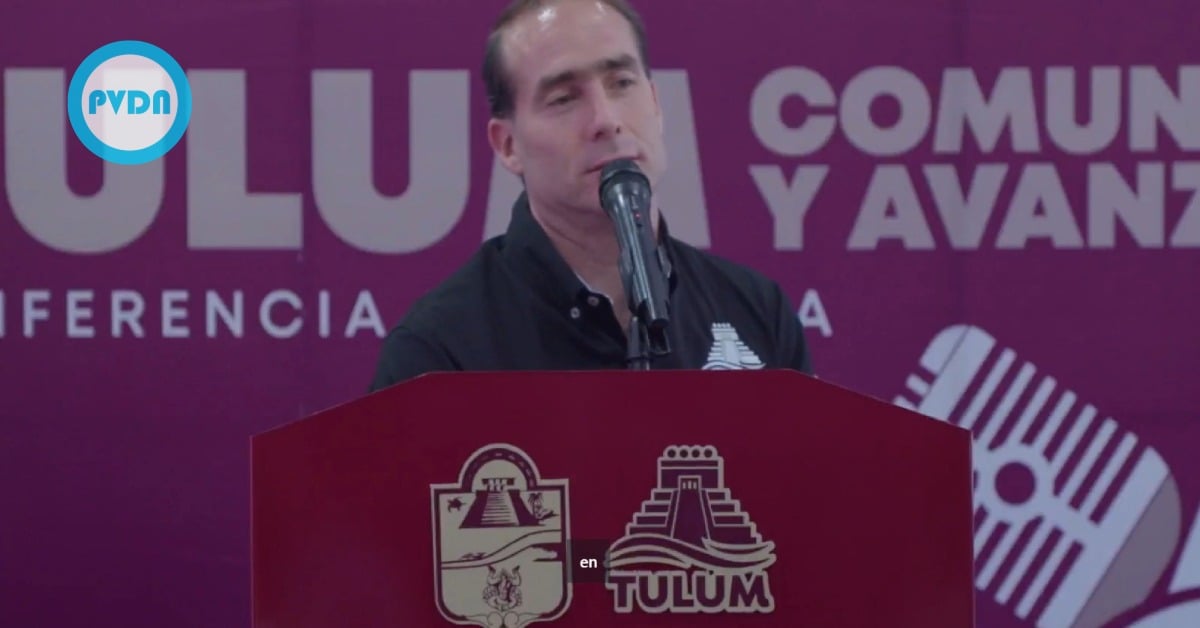
The mayor of Tulum asked residents, business owners, and the press to stop criticizing the destination, saying the negativity chases visitors away during an already slow period. He promised incentives for local commerce, new promotional plans, and cleaner beaches as crews haul away record amounts of sargassum. It’s a familiar high-stakes message in the Riviera Maya: criticize problems, yes, but don’t scare off tourists. The question now is whether better service, honest fixes, and a calmer tone can line up before peak season arrives.
Tulum tourism criticism
“Don’t badmouth Tulum.” That was the thrust of Mayor Diego Castañón’s message in his weekly briefing, where he urged residents, business owners, and the media to speak positively of the destination, as negative talk “drives visitors away.” He folded that appeal into a promise: incentives for merchants, cleaner beaches, and a unified promotion push with state and federal tourism officials before winter high season. The remarks came as the town rides out a quiet October and keeps chipping away at sargassum on the shoreline.
Castañón asked people not to politicize debates over beach access and the archaeological zone, and he said the city will coordinate with hoteliers, the state tourism secretary, and the promotion council on rates and marketing. He also flagged a pact with neighboring Cancún to provide Maya artisans with a monthly sales window in green markets, allowing them to sell more local goods. The subtext was clear: close ranks, sell the town, and steady the mood.
A separate local outlet captured the same key talking points from the briefing, reinforcing the call for unity and a more conciliatory tone in public debate. That duplication matters: this wasn’t an off-hand quip; it’s an intentional message to shape perception ahead of the holidays.
What the numbers say right now
October is typically leaner in the Caribbean, and recent dashboards confirm this pattern. State tourism indicators list current occupancy snapshots for Tulum and the wider Riviera Maya in the mid-60s band—solid for shoulder season but well below winter peaks. The state’s SITUR portal, updated this month, tracks those movements and will guide how officials pitch the rebound. It isn’t collapsing. It is the lull.
Beach conditions also weigh on sentiment. Tulum’s beach crews report thousands of tons of sargassum lifted this year, with the heaviest months behind and only light landings so far in October. A July note put first-half collections above two thousand tons; statewide trackers now show the season tapering into fall. That dovetails with what visitors are seeing this week: cleaner stretches, but scars from a bruising summer.
Air access is a mixed picture. Tulum’s airport has grown rapidly since its launch, logging six-figure passenger totals through mid-year and projecting further gains into late 2025. However, the broader regional traffic has fluctuated with route reshuffles and seasonality. For a beach town that lives and dies by lift, tone matters, but so do flights, service, and simple clarity about what’s open and how clean the water is on a given day.
Castañón’s appeal also touched on everyday nuisances. He told the public security chief to hold traffic officers to higher service standards, acknowledging “many complaints.” He praised the turnout at the merchants’ pop-up market and said a federal Tourism Ministry call is on deck to sharpen the winter campaign. The line he walked was familiar to any coastal mayor: admit the problems without amplifying them.
Criticism won’t vanish. Residents care about public beach access, fees at the archaeological zone, traffic, trash, and the pace of development. Those are real issues. However, the city is betting that fixes, along with calmer messaging, can help the town navigate the last quiet weeks before high season. If the beaches stay clean, if the airport schedule holds, and if frontline service improves by December, the rhetoric will matter less than the experience. For now, the mayor wants everyone rowing in the same direction—and talking like it.