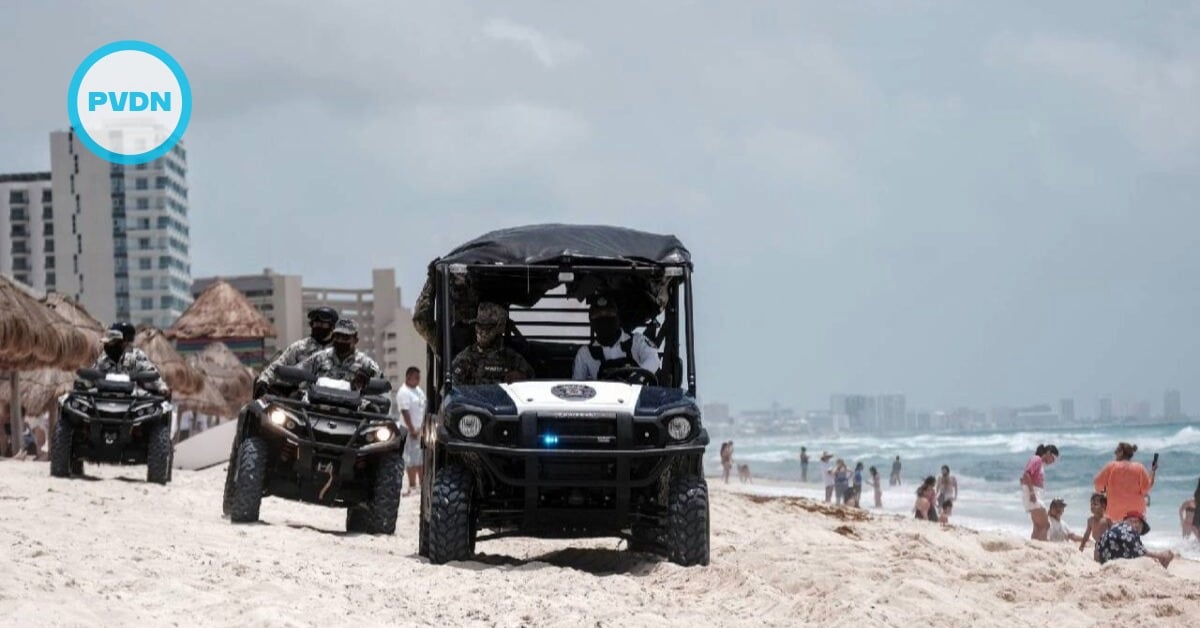
Tulum is building a small, specialized police unit to serve visitors where it matters most—on the street, at the beach, and around hotel and restaurant corridors. Ten officers are in training now. Officials say the group will focus on clear assistance, quick orientation, and a friendlier first response. The unit is expected to deploy in the coming months.
City security leaders describe a practical skill set: English proficiency, local-area knowledge, and calm conflict handling. Training also includes physical conditioning, rescue swimming, and adherence to human rights standards. The city has even floated the idea of a “tourist mobility pass” to help visitors move through the destination more easily. Those details surfaced in local reporting this week, which also noted the state’s direct role in training the first cohort of officers. See the original local coverage for specifics on the plan and timeline.
Why this unit matters now
Tulum isn’t creating this in a vacuum. Quintana Roo is pushing a unified tourism-police model that standardizes training, uniforms, and equipment across major destinations ahead of a busy 2026. That program includes instruction on safety, customer service, rescue skills, destination knowledge, and English. For visitors, that should translate into better guidance and fewer mixed signals between jurisdictions. For workers on the ground, it sets clear expectations for professional conduct.
The timing also reflects Tulum’s security reality. The resort town has absorbed headline-grabbing violence over the past year, including the killing of its security chief in March. That shock underscored how fragile perceptions can be and why everyday interactions with authorities need to feel predictable and respectful. A friendly, well-trained tourism unit won’t solve organized crime. Still, it can stabilize the visitor experience: clear directions when someone is lost, a quick report when a bag goes missing, a calm response when nightlife gets messy.
If the rollout meets its promise, the Tulum Tourist Police should be easy to spot, equipped to provide quick assistance, and trained to treat minor problems like what they are—fixable hiccups, not ordeals. For travelers, that’s often the difference between a ruined day and a quick story they forget by dinner. For locals, it’s a chance to keep visitors moving, informed, and out of the way of regular police work.