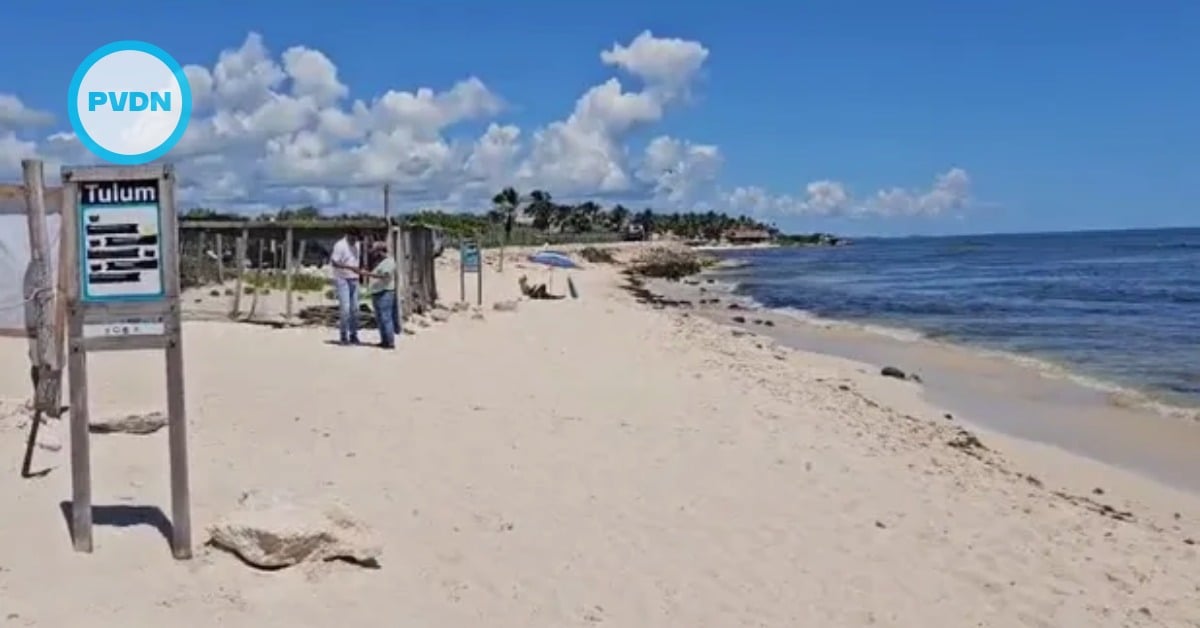
The glow is fading. Empty restaurants and apology videos from local vendors now tell the story of Tulum’s comedown. Hotel occupancy in early October slid into the mid-50s, airlines are trimming winter seats, and the fight over beach access has spilled from City Hall to social feeds. A councilor admits “mistakes” and asks for unity; residents blame sargassum, security, and runaway prices. If this Caribbean star wants a reset, it has to prove the welcome is genuine—and that the beaches are genuinely open to everyone.
The apology came not from a politician but from shopkeepers and waiters with cameras pointed at themselves. In a string of viral clips, Tulum vendors apologized to would-be visitors for the high prices, brusque service, and attitude that made many Mexicans feel unwelcome in their own country. It struck a nerve because the pictures around town matched the tone: open tables, light foot traffic, and a humbling pause after years of swagger.
At City Hall, the message is mixed. Councilor Jorge Portilla Mánica publicly urged government, businesses, and residents to “rescue” the destination, acknowledging mistakes and promising more oversight and citizen committees. He also blamed part of the backlash on a “smear campaign,” a line unlikely to persuade travelers who have watched the story play out on their feeds. Still, the admission—however partial—marks a notable shift from Tulum’s recent posture.
Numbers tell their own story. State tourism tracking shows hotel occupancy in Tulum fell into the mid-50% range for the week of Sept. 27–Oct. 3, roughly eight points below late July; some outlets report the same period as low as the high-40s. That aligns with what locals are describing online and what national media are now covering in earnest. The state’s SITUR dashboard reflects the trend; it is no longer anecdotal.
Air service is moving with demand. U.S. airlines have pared back plans for the new Tulum airport heading into winter: industry data show about a quarter to a third fewer seats compared with the first splashy season. Delta dropped seasonal routes to Detroit and Minneapolis, United axed Chicago-O’Hare and trimmed capacity, American cut Charlotte, and JetBlue reduced New York frequencies. Capacity follows the money; for now, Cancún remains the easier, fuller bet.
Tulum tourists turned off
Ask travelers why, and you’ll hear the same refrain: prices, access, and a feeling that the basics are getting harder. Social videos and national coverage describe minimum-spend rules, steep menus, and hassles to reach the surf, even against Federal Law. The ego of Tulum is real. The flashpoint is Jaguar Park, a flagship project wrapped around the ruins and beaches. After months of complaints, the operator announced free entry on Sundays, and hotels agreed to open public beach corridors, but residents and visitors still report inconsistent enforcement and fees. Sound policy on paper doesn’t erase the lived experience overnight. It should be noted that access to beaches is a Federal right. Still, Tulum has ignored Federal Law as the Government turned a blind eye, buying into Tulum’s ego that tourists will bring billions to the destination if Tulum can take advantage of them.
Tulum is not unique. It is just another Caribbean destination, and tourists are discovering that there are more welcoming places.
Nature isn’t cooperating either. Sargassum forecasts this month show red-level arrivals along North Quintana Roo, including Tulum. The seaweed isn’t new, but the persistence is discouraging to sun-seekers who paid premium rates for turquoise water. Scientists and reporters have charted record volumes in recent seasons, and while beach crews work daily, the optics—brown mats and sulfur smell—carry far on TikTok.
Security weighs on perception, too. In March, Tulum’s public security chief, Navy Capt. José Roberto Rodríguez Bautista, was gunned down; a suspect was later arrested. The killing didn’t shut the city down, but it did add to a drumbeat that makes casual travelers second-guess a splurge. Destinations can rebound from trauma; they struggle when the value proposition falters at the same time.
Can Tulum reset without losing itself
The city’s better angels are visible. Portilla Mánica is pitching citizen oversight and cleaner governance; hotels and beach clubs have pledged free public access; and the park operator’s Sunday waiver responds—however belatedly—to legal norms that say Mexico’s beaches belong to everyone. Those are steps, not solutions. The next test is consistency: end the “minimum-consumption” games, post clear prices in pesos, guarantee open corridors to the sea every day, and back it all with inspectors who answer to the public, not to a clique.
Aviation math is unforgiving but not final. If Tulum does the unglamorous work—fixing access, moderating prices, keeping the welcome real—capacity will follow. Airlines are ruthless allocators; when demand returns, so do seats. No one expects a postcard every day during shoulder season. But bold humility—from City Hall to the last beach bar—would do more than any ad campaign to fill those tables again. Until then, Tulum tourists turned off isn’t a meme. It’s a verdict.
This might be all too late for Tulum. Only time will tell.