Turtle nesting season in Puerto Vallarta arrivals have fallen 40 percent due to climate change and La Niña, with early nests recorded since May 1 and hopes for more growth later this year.
Carlos Hernández, president of Nakawe AC, announced a sharp decline in turtle arrivals along the Mexican Central Pacific. His organization links three turtle camps in Puerto Vallarta, Jalisco, and Bahía de Banderas, Nayarit. Hernández said climate change and the La Niña phenomenon cut visits by nesting turtles by an average of 40 percent each year.
Last season’s data show the trend clearly. During the 2023–24 nesting season, turtle arrivals dropped by 35 percent. The downturn deepened to 45 percent during 2024–25. Despite these figures, Hernández says there’s room for hope: “We saw 571 nests and released over 67,000 hatchlings last season,” he noted.
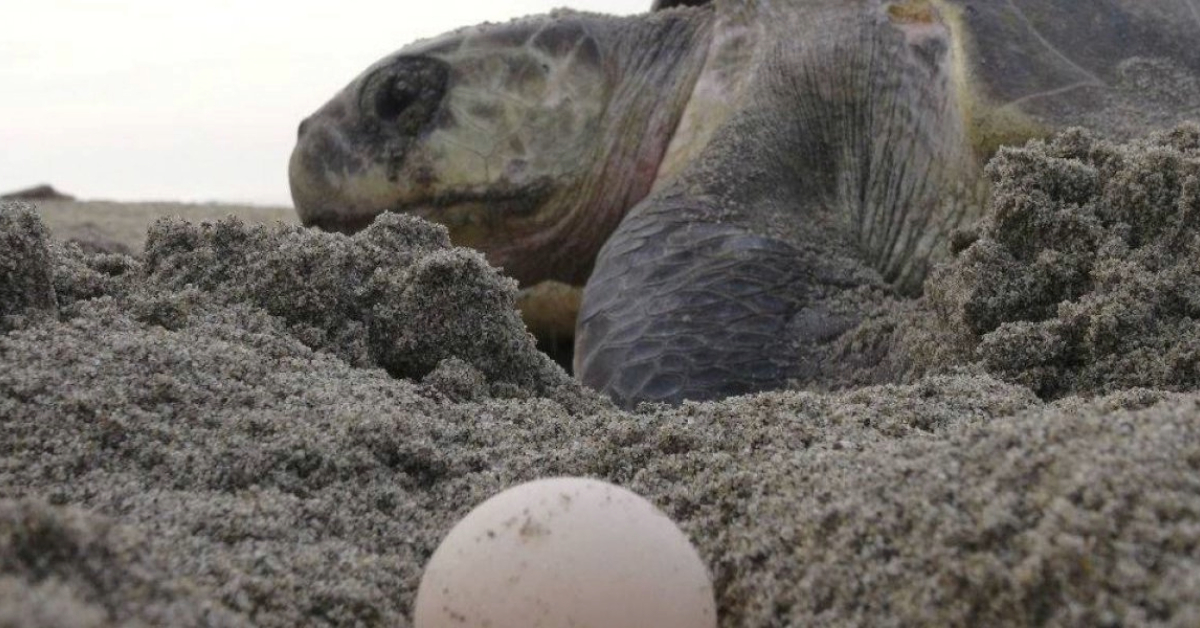
Conservation teams usually hold off until June to begin monitoring. This year, nests appeared as early as May. Since May 1, Nakawe AC volunteers have recorded at least one nesting each night. In Puerto Vallarta alone, they’ve collected around 45 nests so far.
Hernández expects more activity in the coming months. “We aimed to start in June, but nests began arriving on May 1. Now we collect nests every night,” he explained. “Our peak season runs from August to September. Some nights could see 40, 50, or even 70 nests.” Nakawe AC’s three camps aim to register over 1,000 nests this year.
Local researchers warn that sustained warming and changing ocean currents can harm both nesting and hatching. Warmer sands can skew hatchling sex ratios, while stronger storms may wash away nests. Still, community volunteers remain on high alert. Night patrols mark each new nest, then staff carefully relocate eggs to protected hatcheries. After six to eight weeks, baby turtles emerge and are gently released to begin their ocean journey.
Volunteer Sara Mendoza says the early start offered extra chances to help hatchlings survive. “We’ve had more time to prepare hatcheries,” she said. “Each hatchling we save boosts the next generation.”
Officials and activists stress that local efforts must pair with global action. Cutting greenhouse gas emissions and studying La Niña patterns will shape future nesting seasons. For now, Nakawe AC’s teams will keep dawn patrols through September and track how rainfall and sea temperatures change in real time.
Coordinated work between Puerto Vallarta and Bahía de Banderas camps has built resilience. Hernández says sharing data and resources lets all three sites boost their ability to protect nests. As this year’s counts finish, the group plans to publish a full report on nesting trends and hatchling success rates.
Community support remains vital. Donations of equipment, volunteer shifts, and local awareness campaigns help maintain night patrols and hatchery care. “Our beaches are busier than ever,” Hernández said. “Every nest we save proves our work matters.”
With careful tracking and an early start, Nakawe AC hopes the 2025–26 nesting season will reverse recent losses and give sea turtles a stronger chance along Mexico’s central Pacific coast.