Two small Maya communities near the Quintana Roo–Yucatán line are about to stop being a bureaucratic afterthought. With federal recognition now in hand, city officials say Punta Laguna and Hidalgo y Cortés will be guided through a process to name legal representatives to the municipal government. That sounds simple—until you factor in a lingering border dispute still waiting on a Supreme Court decision. Who gets to vote, what kind of representative will be recognized, and what changes first on the ground? The next steps will answer a lot.
From border limbo to official recognition
For years, Punta Laguna and Hidalgo y Cortés have lived with a problem most people never think about until it lands on their doorstep: uncertainty over which government is supposed to show up. When a community sits near a state line, paperwork can turn basic services into a tug-of-war—street maintenance, public works requests, and even the day-to-day act of being “counted” by the right authorities.
That’s why the recognition recently issued by Mexico’s federal Indigenous affairs agency matters. Local officials say the Institute’s acknowledgment of both communities as Indigenous localities tied to the Playa del Carmen municipality creates a clearer administrative path forward, even as a broader legal dispute over territorial boundaries remains unresolved at the national level.
How the representation will be chosen
On January 11, municipal officials said the next step is to guide residents in selecting legal representatives who can formally engage with City Hall. The municipal council is expected to prepare a call defining the figure who will represent each community—an important detail because the title and scope of the role will shape what the representative can do and how they are recognized within the municipal structure.
In practical terms, the representative becomes the community’s official bridge to government: the person who can present requests, follow up on commitments, and prevent issues from slipping through the cracks between departments. For small, rural communities, that single point of contact can be the difference between repeated promises and a file that actually moves.
What a seat at City Hall can unlock
Representation won’t fix everything overnight, and it won’t erase the frustrations that built up during years of institutional drift. But it can change the rhythm of how problems get addressed, especially in places where residents say they have gone long stretches without consistent municipal attention. A formal representative also creates accountability in both directions—making it harder for authorities to claim they “didn’t know,” and giving residents a defined channel to press for answers.
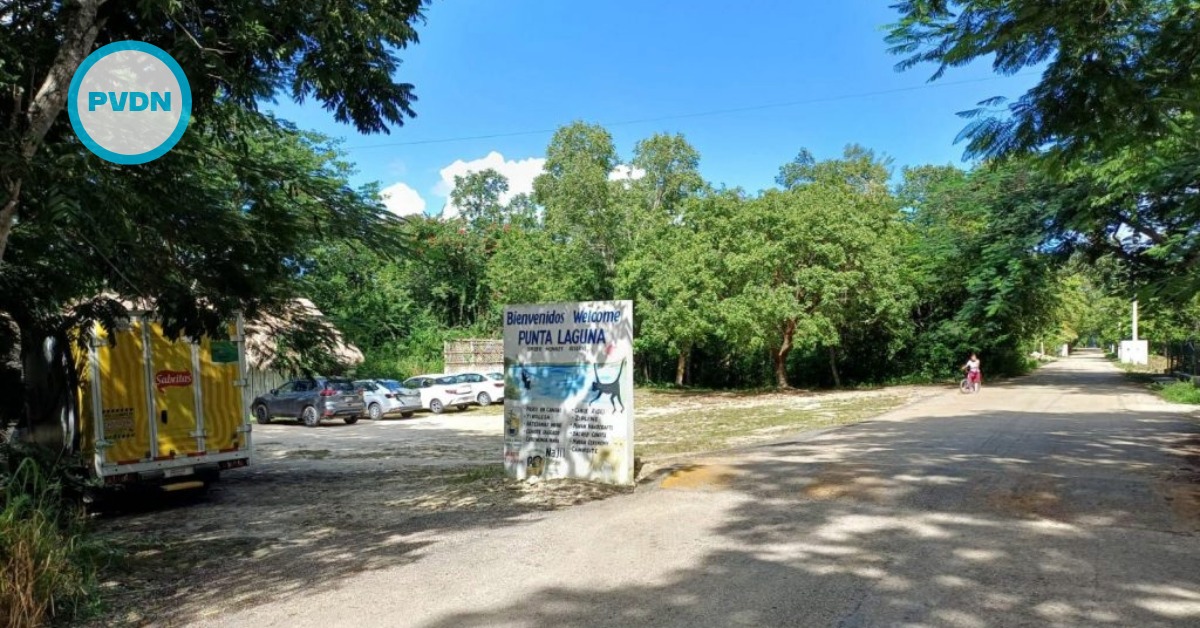
Punta Laguna, in particular, sits in a sensitive zone where conservation and livelihoods meet. The area is widely known as a gateway to a protected landscape, home to spider monkeys and community-led ecotourism. Clearer municipal recognition can affect everything from how public services reach the community to how local voices are included when decisions touch land use, visitor management, and development pressures that ripple outward across the Riviera Maya.
What to watch next
Two timelines now run side by side. One is local and immediate: the municipal process to define the representation figure and shepherd each community through choosing a representative. The other is larger and slower: the unresolved Supreme Court case tied to the Quintana Roo–Yucatán boundary dispute that has hovered over these communities for years.
If the municipal process moves quickly, residents could see changes in how requests are handled well before the court delivers a final ruling. But the legal uncertainty in the background still matters, because it can complicate budgets, intergovernmental coordination, and the long-term certainty communities need for planning. For many expats who know the region through travel, tourism, or conservation-minded day trips, the story is also a reminder that “where you are” in Mexico isn’t just a map—it’s the difference between being invisible and having a voice that government is required to hear.