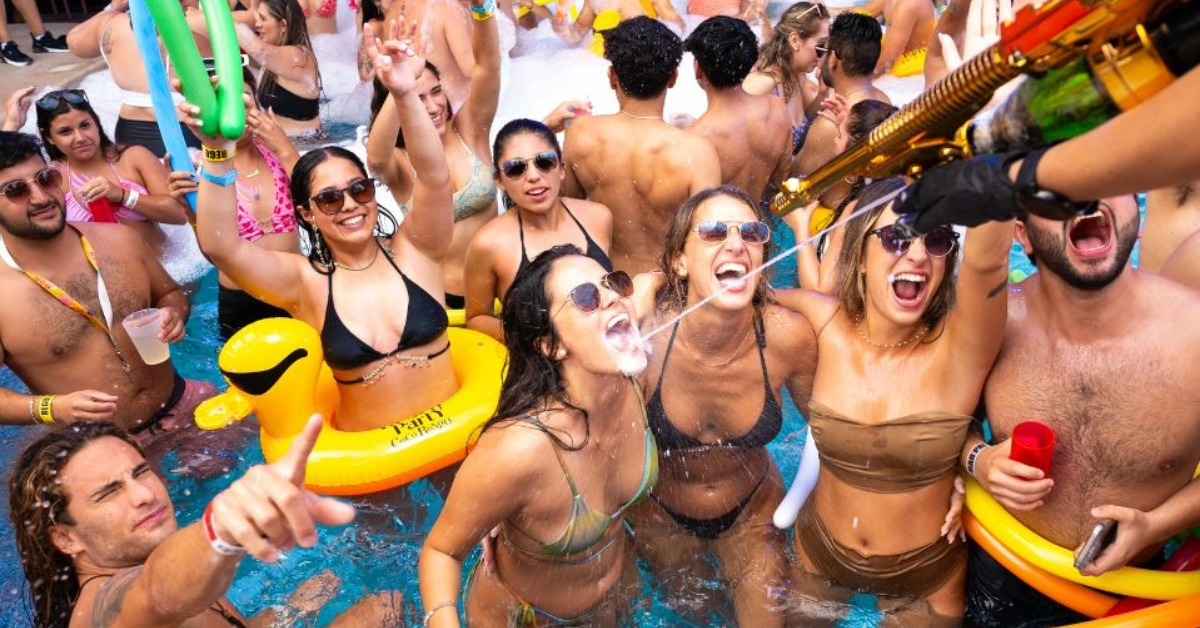
Spring Break crowds are returning to Mexico’s beaches. The US Embassy has a reminder that many travelers miss. Risks and rules change by state, and the advice can shift quickly. The notice flags crime and kidnapping, plus drug and counterfeit pill dangers. It also points to tighter enforcement on vaping devices and risks tied to alcohol and unsafe surf. For expats hosting friends, transport and night-out choices can affect risk. One line in the advisory can change the plan.
What the Spring Break warning says
The United States Embassy in Mexico issued a Spring Break travel warning for Americans visiting Mexico. The alert was published on March 3, 2026. It points travelers to the State Department’s Mexico travel advisory and its state-by-state ratings. That matters because guidance ranges from “Exercise normal precautions” in a few states to “Do not travel” in others. Spring Break travel often runs from late February through early April. The notice follows a late-February surge in violence tied to security operations in parts of the country. Many areas later returned to normal routines, including flights and road travel. The warning says an operation ending does not remove ongoing risks. It highlights crime and kidnapping as threats that can affect tourists and residents. For expats, the advisory often shapes how visiting friends plan their routes and nights out. It can also influence decisions about renting cars and carrying documents. It urges travelers to prepare for emergencies and keep key contacts updated. The same guidance applies even on short trips between resort towns. Six states are rated “Do not travel”: Colima, Guerrero, Michoacán, Sinaloa, Tamaulipas, and Zacatecas.
Crime, scams, and getting around
One theme in the warning is situational awareness, even in resort areas. The Embassy notes that violent crime can occur anywhere in Mexico, including popular tourist destinations. It lists reports of homicide, kidnapping, car theft, and robbery. The guidance calls for extra caution in crowded Spring Break zones after dark. It also discourages transport choices that increase risk, such as accepting unsolicited rides. Travelers are urged to use regulated taxi stands or app-based rides, then confirm the car and driver details. For those who drive, the advisory recommends daytime travel and avoiding long intercity drives at night. The notice also flags extortion and scams, including virtual kidnapping calls and online fraud. A practical approach is to limit what you share publicly about your location, hotel, and daily schedule. The Embassy also urges travelers to monitor bank activity and avoid isolated ATMs. In an emergency, it advises calling 911 in Mexico and contacting the nearest consulate. In Quintana Roo, the Guest Assist app can connect tourists with help.
Drugs, alcohol, and health emergencies
The warning gives specific guidance on drugs and health risks. It says possessing or using illegal drugs can lead to arrest in Mexico. That includes products some travelers assume are permitted. The message also notes reports of Americans who died or became seriously ill. In some cases, drugs were synthetic or pills were counterfeit. The warning also highlights risks of unregulated alcohol and contamination. It advises travelers not to accept drinks from strangers and not to leave drinks unattended. It says travelers should watch how a drink is prepared when possible. It says suspected contaminated alcohol can be reported to COFEPRIS at 800-033-5050. The Embassy also highlights sexual assault as a risk, especially when people are intoxicated or separated from friends. Another part of the warning focuses on items that trigger legal trouble. It says United States gun permits do not apply in Mexico. Bringing firearms or ammunition can lead to long detention. It also warns travelers to avoid bringing vaping devices. Mexico has tightened restrictions, and seizures at entry points are common. Finally, it recommends confirming medical coverage, since private hospitals may require upfront payment.
Beach safety and Puerto Vallarta in the advisory
Beach safety is a separate part of the warning, and it is not limited to crime. The Embassy notes strong currents and tides on some beaches. It says lifeguards and clear signage are not always present. The guidance says not to swim alone. It also warns against swimming after drinking. Travelers are urged to follow red flags and posted warnings. The warning links beach risk to Spring Break habits, including alcohol and crowds. For readers in Puerto Vallarta, the state-by-state advisory adds another detail. Jalisco is rated Reconsider travel at the state level. The advisory also notes no added restrictions for US government employees in Puerto Vallarta and nearby Riviera Nayarit. That does not change the broader state risk rating. For expats, this distinction matters when guests assume a city was singled out. The practical takeaway is to check the current rating and any restricted corridors. Travelers should also monitor local conditions during the trip.