A UN human-rights expert has issued one of the clearest warnings yet about toxic pollution in Mexico, saying contamination is no longer a series of isolated cases but a pattern tied to weak enforcement, industrial growth, and failed cleanup. The warning reaches beyond air, water, and soil. It frames pollution as a human-rights issue that affects how long and well people live. The bigger question now is what Mexico does with a diagnosis that many communities say they have lived with for years.
Toxic pollution is no longer being described as a local problem
A United Nations special rapporteur has warned that toxic contamination in Mexico is widespread, entrenched, and serious enough to be treated as a national human-rights issue. The warning followed a country visit in March and came after meetings with authorities, academics, communities, civil society groups, and industry representatives in multiple states.
The central message was direct. Pollution linked to hazardous substances and waste is not limited to a single river, a single industrial corridor, or a single failed cleanup. It is showing up across regions and across sectors, from heavy industry and mining to agribusiness and waste handling. In that view, the damage is not only environmental. It affects the right to health, access to safe water, and the right to live in a healthy, non-toxic environment.
That matters because the story is bigger than a single alarming phrase or one shocking example. It is about whether Mexico’s legal protections are working in practice. The rapporteur’s conclusion was that the country has laws, treaties, and constitutional protections on paper, but enforcement, coordination, transparency, and long-term remediation remain weak in too many places.
Why the UN framed this as a human-rights issue
The report stands out because it does not treat pollution as only a technical or regulatory problem. It treats exposure to toxic substances as something that can shorten lives, deepen inequality, and trap families in places where illness becomes part of daily life.
That framing helps explain why the warning has drawn attention. In many parts of Mexico, environmental stories are often discussed as disputes over permits, industrial expansion, water use, or local protests. The UN approach pulls those issues together and asks whether the state is protecting people from foreseeable harm.
The rapporteur argued that contamination falls hardest on communities that already face structural disadvantage. That includes Indigenous communities, rural residents, children, and people living near industrial zones, contaminated waterways, waste sites, or high-risk agricultural operations. When those communities also struggle to obtain data, medical follow-up, or effective cleanup, pollution stops looking like an isolated incident and becomes a repeated governance failure.
The places behind the warning
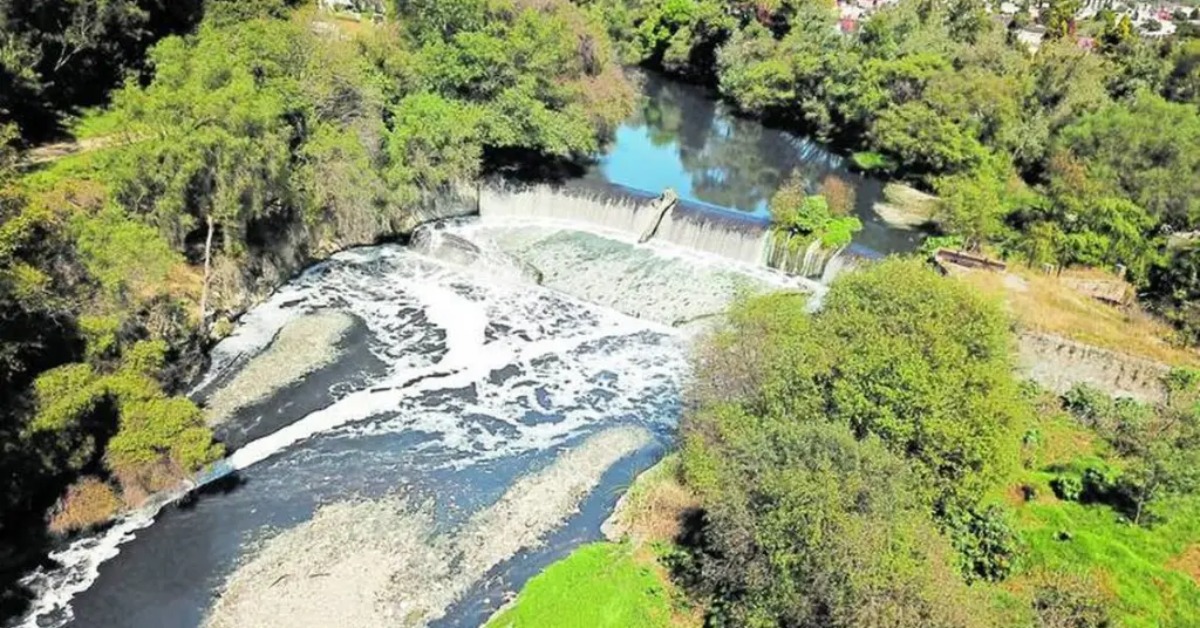
The warning drew on examples from several parts of the country. The rapporteur pointed to long-running contamination in waterways such as the Atoyac, Lerma, Tula, and Santiago river systems. These are not new concerns. They have appeared in official studies, activism, court cases, and public complaints for years. What is new is the degree to which they were grouped together within the same national pattern.
He also highlighted mercury contamination in Querétaro, where academic findings cited during the visit described extremely elevated levels in soil near artisanal mining activity. In Yucatán, he raised concerns about the rapid spread of large-scale swine operations and the risks they pose to aquifers and surrounding communities. In Hidalgo, he flagged the Tula-Tepeji corridor, where multiple pollution sources overlap.
Each case has its own local history. But together they support the same argument. Mexico is dealing with repeated exposure to hazardous substances in places where regulation has often lagged behind the scale of the risk.
Mexico has laws, but communities still face the gap between law and reality
One of the most important parts of the warning is that it does not say Mexico lacks an environmental framework. In fact, the opposite is true. Mexico has constitutional protections, federal environmental laws, international treaty commitments, and a formal recognition of the right to a healthy environment.
The problem, according to the UN findings, is the distance between that legal framework and what communities experience on the ground. Some standards are outdated. Some agencies do not coordinate well enough. Monitoring can be limited or uneven. Communities often say they are consulted too late, informed too little, or left waiting too long for cleanups and health responses.
That gap matters for international readers because Mexico is often described through a split image. On one hand, it is a country with advanced environmental laws and active participation in global agreements. On the other hand, communities still report polluted rivers, unsafe wells, air contamination, and unfinished remediation years after harm is documented. The new warning argues that both realities are true at the same time.
Why this story matters beyond environmental policy
For many readers living in Mexico, this is not an abstract policy debate. It touches practical questions about water safety, air quality, medical risk, land use, and trust in public information. It also matters for people deciding where to live, invest, build, or retire, because pollution risk is often unevenly distributed and poorly communicated.
The warning also comes at a moment when Mexico is trying to balance industrial growth, energy development, tourism expansion, and agricultural production with stronger environmental oversight. That tension is not unique to Mexico, but the UN report suggests the country has reached a point where piecemeal responses are no longer enough.
The larger issue is whether the state moves from reacting to one crisis at a time to building a clearer model of environmental justice. That would mean more than emergency cleanup. It would require updated standards, stronger enforcement, public health tracking, access to information, and real remediation for communities that have lived with contamination for years.
What happens next
The UN warning does not create law on its own, but it adds pressure. It gives affected communities an international document that supports claims many have been making for years. It also increases scrutiny on whether federal, state, and municipal authorities can show measurable progress.
A fuller report is expected to follow the preliminary end-of-mission statement. That means the March warning will likely become part of a longer record, with recommendations that could shape advocacy, litigation, oversight, and policy debates in the months ahead.
For now, the main takeaway is simple. The UN is saying toxic pollution in Mexico should no longer be treated as a collection of local environmental disputes. It is a national public-health and human-rights problem, and the cost is being paid in damaged ecosystems, chronic illness, and years of life that many communities believe are being taken from them too soon.
Deep Dive:
Gulf spill shifts to cleanup as source stays unknown
Hydrocarbon slick hits four Veracruz beaches as probe starts
Rio Sonora spill groups take their fight to the EU
Gulf of California LNG gamble risks Mexico’s climate
Two-thirds of Mexico City’s water refilling stations fail drinking standards