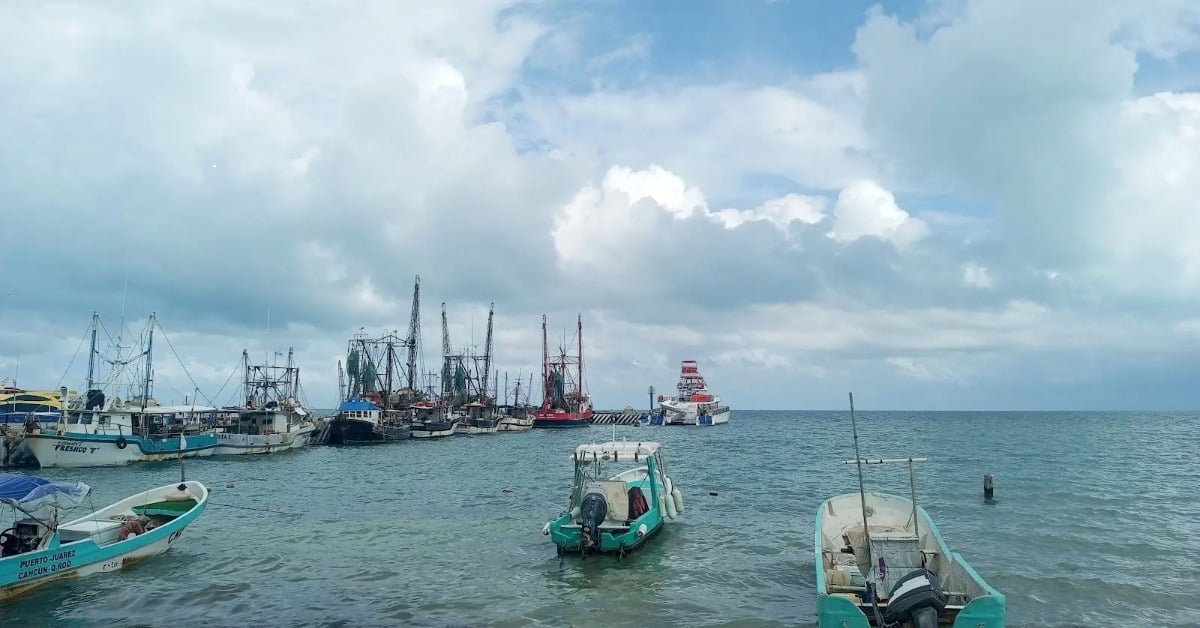
Cancún’s booming nautical scene is getting a hard reset at sea. Mexico’s Harbor Masters and Maritime Affairs Unit (UNICAPAM), part of the Navy, says it will run coordinated patrols to locate and seize irregular vessels—an answer to the spike in off-the-books tours marketed to visitors across Cancún and Isla Mujeres. The move follows months of complaints from legitimate operators about “pirate” boats that dodge permits, skip safety rules, and undercut prices.
Unregistered tour boats in Cancun
Local industry leaders estimate the problem of unregistered tour boats in Cancun is widespread. In recent weeks, nautical associations said illegal activity can swallow as much as a fifth of the market during high season, pressuring licensed captains and marinas. They also described social media “brokers” selling trips on boats with no registration, no insurance, and crew without credentials. Those claims add weight to the government’s shift toward active enforcement.
UNICAPAM hasn’t released a public timetable, but officials have outlined the legal basis. Under Mexico’s Navigation and Maritime Commerce Law, the Navy—through the harbor masters—can inspect vessels, demand certificates, order maneuvers for safety, and impose sanctions. The law also empowers local harbor masters to act as auxiliaries to prosecutors and coordinate search-and-rescue when tours go bad. That toolbox enables spot checks on the lagoon and open water and, where violations are confirmed, the immobilization and removal of craft.
What enforcement will look like
Expect checks where the traffic is thickest, such as the Nichupté system, Puerto Juárez, and embarkation points for Isla Mujeres. Authorities and industry have already discussed joint patrols aimed at deterring illegal pickups and mid-water transfers. In parallel, the Navy’s summer “Operación Salvavidas” keeps rescue stations on standby across the coast—a background layer of capacity that can be redirected when inspections uncover unsafe operations.
Officials and operators say the target is not theatrical tourist “pirate ship” dinner shows—those are long-licensed attractions—but rather unregistered craft and pop-up charters that sell via messaging apps and beach hawkers. In the northern zone of Quintana Roo, authorities have identified 150 to 200 suspect boats that lack permits or insurance. That scale helps explain the new sweep.
Why the crackdown now
Cancún’s nautical demand has surged this year, with legitimate operators reporting 75–80% summer occupancy across popular products like jungle tours, private yacht charters, and parasailing. Illegal offers grow in the same tide, particularly on high-volume weekends. Industry leaders warn that the gray market pulls prices down and standards with them. The timing of UNICAPAM’s actions reflects a straightforward calculation: a busy season amplifies both safety risks and reputational damage when something goes wrong.
Quintana Roo authorities have also faced parallel maritime headaches—from eviction disputes on piers to abandoned hulls in the Nichupté Lagoon. In February, a plan to remove approximately 50 grounded or sunken boats was advanced as a measure to mitigate navigation and environmental risks. Together, these steps indicate a broader effort to clean up the waterfront and restore order on the water.
The rules that matter on the water
Mexico’s maritime law isn’t ambiguous. The Navy, through the harbor masters, can issue and revoke navigation permits and enforce safety at sea. Harbor masters can require certificates, board and inspect vessels, and sanction operators who fail to comply with the rules. That’s the difference between a boat that carries life-saving gear, trained crew, and insurance—and one that doesn’t. Tourists rarely see the paperwork, but they feel the stakes when an accident happens.
Those powers now meet a market where illegal sellers are readily available. Local media in Quintana Roo have documented how unregistered lanchas promote day trips openly online, sometimes staging pickups away from formal docks. In nearby Bacalar, operators raised similar alarms this month, calling irregular boats unsafe and unfair competition. The pattern is consistent across the state, not just in Cancún.
Travelers can avoid trouble with a few checks before booking. Use established marinas and ticket offices. Ask for the operator’s business name and the vessel’s registration or visible matrícula. Licensed tours are easy to verify and board from recognized piers. If a seller insists on cash-only payment, requires pickup from a random beach, or offers prices that seem too good to be true, walk away. That choice protects your group and supports captains who pay permits and maintain their boats—people whose livelihoods are threatened by the black market the Navy now plans to confront.