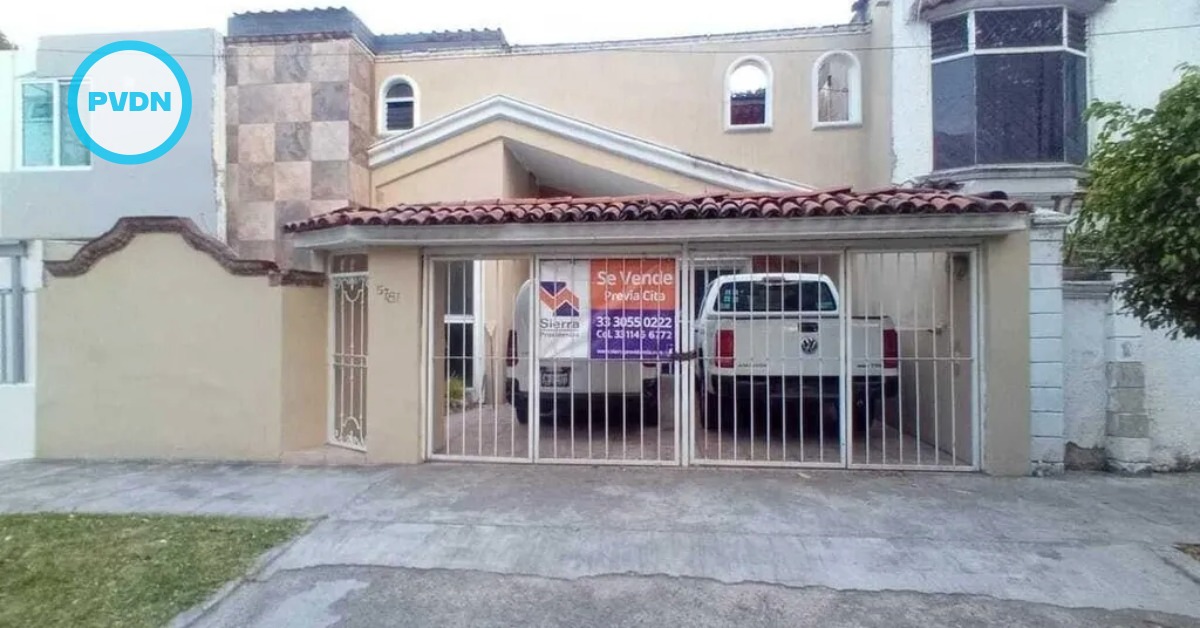
Used homes are no longer the “backup” option in Mexico’s housing market. Mortgage data from 2025 shows buyers leaning hard toward existing properties, even as prices keep climbing. The shift says as much about what’s missing—new inventory in the right places—as it does about what buyers want: keys in hand, a neighborhood with services, and fewer construction surprises. But this trend is also quietly reshaping negotiations, appraisals, and renovation budgets. Where does it leave first-time buyers, and what should expats watch before they sign?
A market pulled toward what already exists
Used housing took the clear lead in Mexico’s mortgage-financed purchases in 2025, landing at roughly six to seven out of every 10 deals. That might sound like a technical detail, but it’s a real-world signal: the mainstream buyer is increasingly shopping from the homes already standing, not the ones still being planned.
This has been building since the pandemic, when priorities shifted and timelines started mattering more. The used-home market benefited from one big advantage that never goes out of style: certainty. Buyers can see the street, walk the block, test the commute, and get a feel for noise, light, and services before they commit.
Why new builds are losing ground
The simplest explanation is supply. Building new homes where people actually want to live has gotten harder and more expensive. Land in consolidated areas costs more, and construction inputs have remained elevated. Developers respond the way markets always do: they protect margins by building where land is cheaper, which often means farther from job centers and established services.
That mismatch leaves many buyers staring at a tradeoff they don’t love. Move farther out for something new, or buy older in a location that already works. In 2025, the market’s answer leaned heavily toward “older, but better located.”
Buyers are paying for time and location
Speed has become a feature. A used home can often close faster, with fewer “wait and see” variables. That matters in a country where rates have stayed relatively high and monthly payments can change the entire affordability equation.
It also reflects a shift in what households value. Instead of maximizing square meters, many buyers are optimizing daily life: shorter commutes, access to transit, walkable errands, schools, and a neighborhood that already has water pressure, street lighting, and reliable services. Those benefits are concentrated in built-out areas, where the housing stock is mostly used.
The hidden friction in “faster move-in”
Used does not automatically mean easy. As demand concentrates on existing homes, the process puts more weight on documentation and property condition. Appraisals, valuations, and technical reviews carry real power because they determine what a lender will finance—and they can expose issues a buyer didn’t price in.
The other friction is budget math. Buyers may save versus a brand-new unit, but they often inherit the costs that new construction hides: deferred maintenance, aging installations, waterproofing, retrofits, and upgrades to kitchens or bathrooms that haven’t been touched in years. In hot neighborhoods, sellers know this and still hold firm, especially when multiple buyers are chasing the same “good bones, good block” properties.
What expats should take from this
Even if you’re not planning to finance a purchase in Mexico, this shift affects you. When mortgage buyers crowd into established zones, it can support prices in precisely the areas many expats prefer: central, connected, and already livable. It also tightens the pool of well-located resale homes, which can reduce bargaining room and speed up timelines once a desirable property hits the market.
If you are buying, the lesson is straightforward: treat the used-home premium as a location premium, and be honest about renovation tolerance. A place that looks “move-in ready” at first glance can still carry costs that only surface after appraisal, inspection, and document review. In today’s market, the winning buyers are the ones who move quickly, but not blindly.