A “discount” offered at the counter can sound like a lifeline when your business paperwork is years behind. But vendors and small shop owners in Cancún say some municipal procedures are being quietly rerouted through unofficial channels, with cash “mochadas” promised to expedite licenses, renewals, and overdue payments. The complaints surface as the city promotes online permit renewals and a “zero corruption” message. For entrepreneurs—Mexican and foreign alike—the new claims raise a practical question: when a shortcut is offered, how do you protect your business and your legal footing?
A discount that doesn’t come with a receipt
Suppliers who work with the Benito Juárez municipal government, along with small business owners, say they are being pressured to pay under-the-table “mochadas” tied to routine city procedures—especially permits and the renewal of business operating licenses. The most common pitch, according to the complaints, is an “arrangement” that promises steep discounts for businesses that have fallen behind on municipal payments, including annual waste collection fees and other local charges.
What makes the alleged scheme risky isn’t only the money; it’s the paperwork that never follows. Those who say they were approached describe deals offered without official documentation, leaving them exposed if the agreement is later denied, the debt reappears, or an inspector returns with a new demand. In several cases, the overdue totals can be significant—tens of thousands of pesos—making the promise of a fast, cut-rate fix especially tempting.
Where the pressure is felt most
The complaints point to offices and roles where municipal workers have high, frequent contact with the public and local commerce. Business owners describe inspectors and staff who allegedly suggest they can “help” resolve backlogs, reduce penalties, or speed up approvals—sometimes implying that nothing moves quickly without an extra payment. The concerns extend beyond licensing and collection offices, with allegations that intermediaries also insert themselves into other city-facing services, charging for steps that should be free or low-cost.
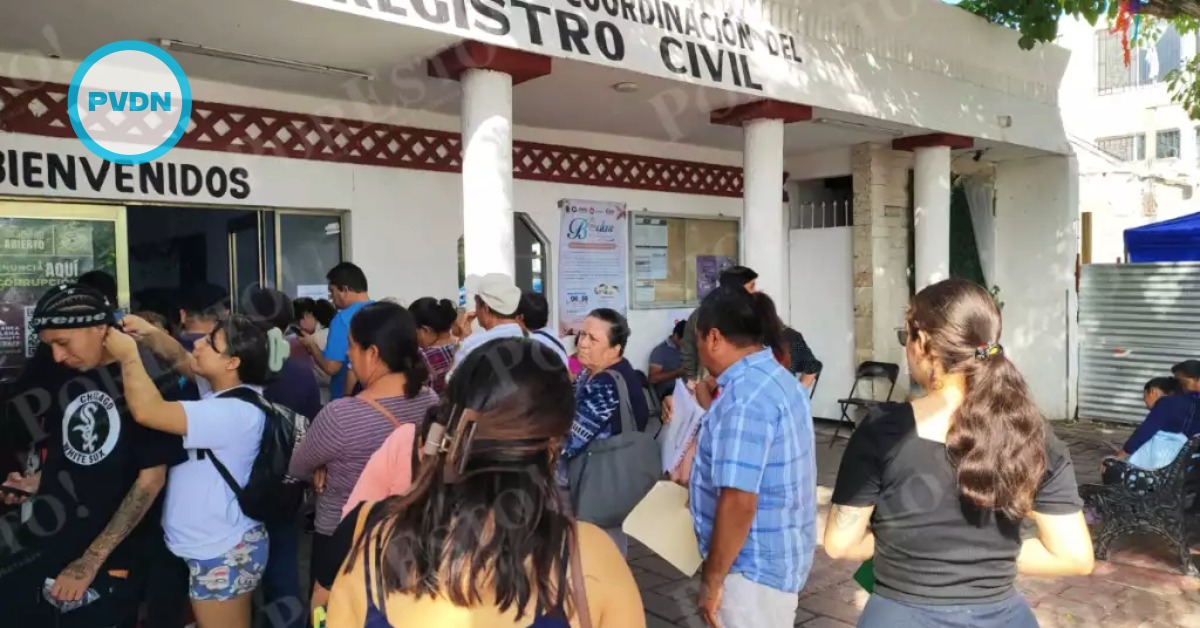
The timing matters. Early in the year, residents often line up to handle property-tax payments and other obligations that may come with seasonal discounts. According to the allegations, crowded counters and long waits create a perfect environment for “coyotes” or fixers to step in, targeting small merchants and older residents who just want the process done.
For expats running a café, managing a small rental business, or opening a new shop, these are exactly the moments you’re most vulnerable: you’re trying to stay compliant, you may be navigating Spanish-language paperwork, and you’re under pressure to avoid fines or closures. A friendly offer to “solve it today” can feel like customer service—until it isn’t.
City promises zero corruption as cases accumulate
Municipal authorities say they are pursuing a “Cero Corrupción” strategy, pointing to complaint channels and the removal of officials accused of misconduct. Publicly discussed administrative investigations have included areas such as Fiscalización, Registro Civil, and Security and Transit—departments that residents routinely encounter when paying, registering, renewing, or responding to inspections.
Officials have also highlighted coordination with state-level anti-corruption authorities, emphasizing that serious cases should move beyond internal discipline when the facts warrant it. Separately, a state anti-corruption body has reported formal collaboration with Benito Juárez aimed at improving oversight and strengthening citizen reporting mechanisms.
Even with those measures, the new complaints underline a familiar frustration among business owners: investigations can feel distant and slow, while day-to-day procedures still happen at the counter, face-to-face, where discretion—and pressure—can thrive.
What to do when someone offers a shortcut
If a municipal process can be completed through an official digital platform or a formal one-stop office, use it. The city has promoted online renewals for business operating licenses, with requirements that typically include proof you’re current on property tax, waste collection rights, land-use permissions, and Civil Protection documentation. Using official channels creates a clear trail: timestamps, payment records, and documents you can show later if a dispute surfaces.
If someone suggests an off-the-books discount or says a payment must be made in cash to “make the file move,” treat it as a warning sign. Ask for the amount in writing, confirm the official fee schedule, and insist on a proper receipt tied to your account or business record. If you feel cornered, step back, leave the interaction, and return through another channel—preferably with a documented appointment or through a platform that logs your steps. For many business owners, the safest move is the least dramatic one: slow the process down, keep everything official, and preserve evidence of what you were told.