In Abu Dhabi, far from San Miguel de Allende’s cobblestone streets, a Mexican hotel project just shared the stage with some of the world’s most high-profile developments. At the 2025 GRI Global Awards, the future Waldorf Astoria San Miguel took third place in the Hospitality Project of the Year category. This nod pushes the city’s name even deeper into the international luxury conversation.
The GRI Global Awards, organized by the international real estate network GRI Institute, spotlight large-scale projects seen as setting new standards in their fields. In the hospitality category, jurors considered design, guest experience, sustainability, and each project’s impact on its local economy. This year’s trio of finalists spanned three continents: Baccarat Hotel Dubai in the United Arab Emirates, Altaona Sports & Wellness Resort in Murcia, Spain, and Waldorf Astoria San Miguel de Allende in central Mexico.
Baccarat ultimately took the top prize, while Altaona was named second. For San Miguel, that third-place finish still matters. It confirms that a hotel rising inside a small inland city of just over 170,000 people can compete in the same arena as Gulf-state towers and Mediterranean mega-resorts. It also underlines how much money, ambition, and expectation now orbit this UNESCO-listed town.
Hilton’s new property is no boutique experiment. The project brings 120 guest rooms and 24 branded residences to the historic center, backed by an estimated investment of around 200 million dollars. For a city whose charm rests on low-rise colonial streetscapes and human-scale plazas, getting that scale right is key — and it is part of what persuaded the GRI jury.
Why Waldorf Astoria San Miguel impressed the jury
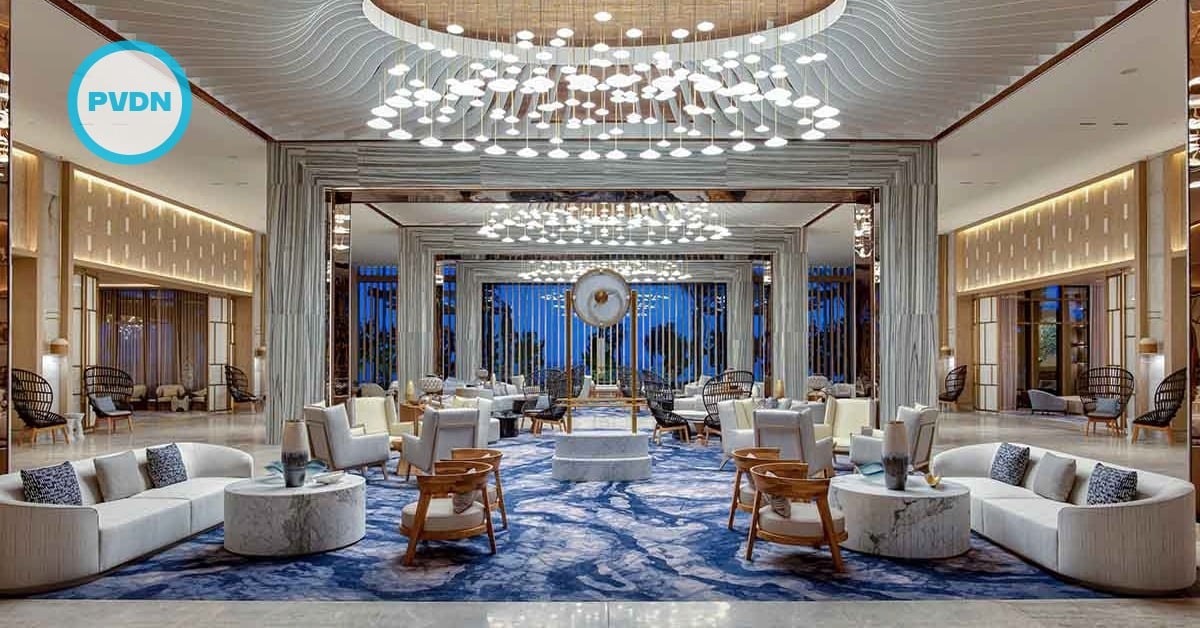
According to Mexican coverage of the awards, the international panel highlighted three pillars at Waldorf Astoria San Miguel de Allende: architecture, the guest experience, and a deep sustainability focus. Rather than dropping a glass tower into the skyline, the project leans into the city’s surrounding architecture. Renderings show arcaded walkways, thick masonry walls, and warm earth tones that echo San Miguel’s traditional houses.
Behind those images is a team led by Mexican firm Sordo Madaleno Arquitectos, working with interior designers who have borrowed generously from local craft traditions. Industry write-ups point to the use of regional stone, hand-made tiles, and metalwork as part of the design, an approach that keeps money circulating with local artisans while giving the building a sense of place instead of a generic global look.
The planned guest experience also helped. When Hilton first announced the project in 2022, the company sketched out a full resort-style program wrapped inside the city center. The hotel is set to include a destination spa, a rooftop with pools and relaxation areas overlooking San Miguel’s church towers, yoga and meditation spaces, three restaurants, two bars, and a coffee shop. An art gallery and crafts boutique will showcase local makers, while a kids-and-teens club aims to keep family travelers in the mix.
Those features are typical of high-end resorts. What sets this project apart —and where the GRI jury saw real value —is the promise that the property will perform strongly on health and environmental metrics as well. Hotel-development trackers describe Waldorf Astoria San Miguel as pursuing LEED and WELL standards, signaling an emphasis on resource-efficient construction and indoor environments designed for guest well-being. For travelers who now ask as many questions about energy use and air quality as they do about thread counts, that combination of comfort and conscience is part of the appeal.
All of this is unfolding in a city that has already become a darling of the international travel press. San Miguel de Allende has been repeatedly named the World’s Best City by Travel + Leisure readers, most recently in the 2025 World’s Best Awards, where it scored above 93 out of 100 for culture, food, architecture, and value. The Waldorf Astoria award folds neatly into that story: San Miguel is no longer just a place for boutique inns and rooftop bars; it is now a test case for how serious luxury brands behave in a historic Mexican city.
To understand the stakes, it helps to step back from the renderings for a moment. Luxury hotel openings always bring glossy promises, but in San Miguel, the bar is high. Properties like Rosewood San Miguel de Allende and Casa de Sierra Nevada have spent years building reputations for careful service and a close relationship with the city’s traditions. A new arrival at Waldorf Astoria’s price point has to match that depth, not just the views.
What the award means for San Miguel
The GRI recognition comes amid a broader reshaping of Mexico’s luxury landscape. Hilton is expanding aggressively in the country, with more than 90 hotels already open across its brands and dozens more in the pipeline, including the Waldorf Astoria Los Cabos Pedregal and Conrad properties on both coasts. San Miguel’s project shows that this growth is no longer concentrated only in beach resorts; inland cultural cities are now part of the same race.
Locally, the numbers attached to the Waldorf Astoria carry weight. A $200-million spend on a single hospitality project can mean years of construction jobs, long-term operations positions, and a steady flow of contracts for local suppliers, from food producers to florists and tour operators. When international juries celebrate that investment as well-designed and forward-looking, it strengthens the case for more projects of similar scale in the region.
But the GRI award also raises expectations. San Miguel is admired not only for its beauty but for how it has, so far, managed tourism growth without losing the feeling of a lived-in town. Residents have watched wave after wave of new arrivals, from artists and retirees to real-estate investors. The question now is whether a project like Waldorf Astoria San Miguel can plug into that community in a way that feels respectful instead of overwhelming.
The hotel’s backers argue that its location inside the historic center, steps from the Parroquia de San Miguel Arcángel and within walking distance of markets and small restaurants, will encourage guests to explore on foot and spend money in local businesses rather than staying sealed inside a resort bubble. If that happens, the award in Abu Dhabi will have ripple effects far beyond the property’s walls.
For now, the prize gives San Miguel a new marketing line: its next flagship hotel has already been judged among the world’s standout hospitality projects before opening its doors. Future guests will arrive with high expectations, not only for comfort but for how this piece of global luxury fits into a city that regular readers of travel magazines already know by heart.
When the first visitors check in, they will be testing more than a new brand on the skyline. They will be testing whether big-ticket development in Mexico’s most celebrated small city can keep the promises that earned it applause in a room full of global investors — and whether Waldorf Astoria San Miguel can prove that prestige, place, and responsibility can share the same address.