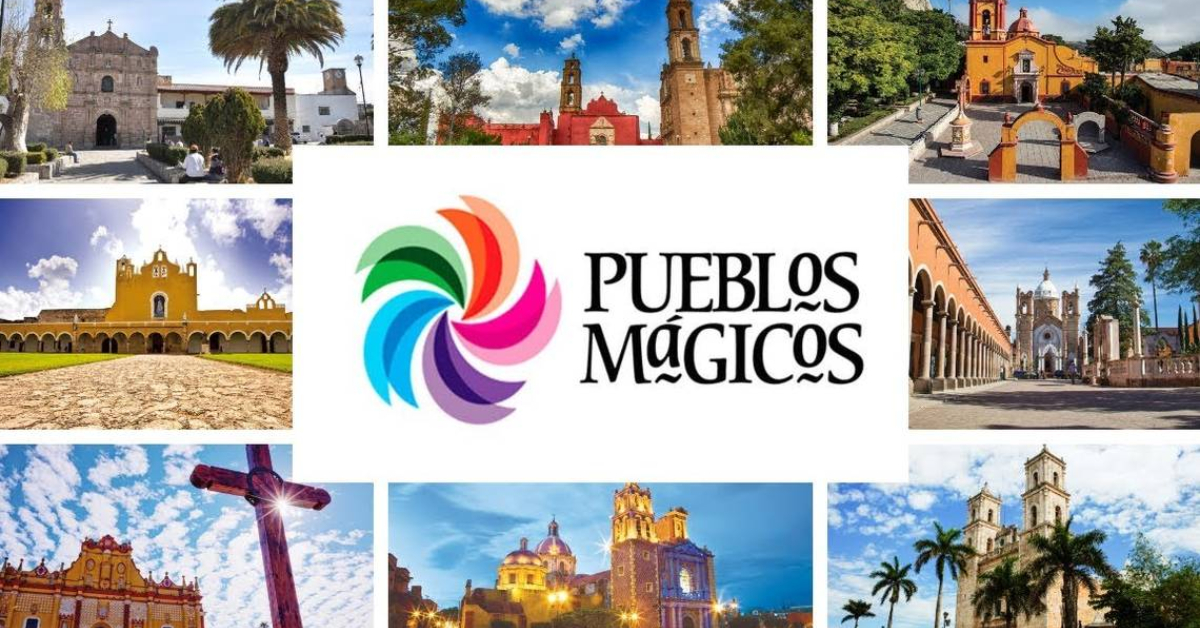
Discover the rigorous steps and community efforts required to earn Pueblo Magico status, from infrastructure and heritage inventories to citizen committees and technical reviews.
Earning the Pueblo Magico title demands far more than scenic streets or an old church. Since 2001, Mexico’s Federal Ministry of Tourism has held towns to strict standards that combine heritage preservation, planning capacity and genuine local commitment. Only communities that clear every hurdle—from formal tourism offices to citizen-run committees—win this coveted status.
Stage one: building the foundation
Communities begin by answering an open call from SECTUR. They first submit five core documents:
- Municipal tourism office: proof of a staffed department with clear roles and funding.
- Service provider registry: an up-to-date directory of hotels, restaurants and guides registered with the National Tourism Registry (RNT).
- Attraction inventory: a detailed list of historical sites, living traditions and natural attractions.
- Connectivity report: maps and travel times showing road, air or rail access from nearby cities.
- Tourism development plan: a Municipal Tourism Development Plan outlining medium- and long-term strategies.
SECTUR’s Directorate of Destination Management reviews these materials. If complete, it issues a folio that unlocks the second stage of evaluation.
Stage two: proving viability and participation
Armed with a folio, towns face ten incorporation elements designed to test their readiness:
- Autonomous committee: a Pueblo Magico Committee led by citizens and tourism stakeholders, not politicians, with bylaws and a work program.
- Formal approvals: resolutions from the municipal council and state congress, including a committed annual tourism budget.
- Investment history: evidence of public and private tourism spending over the past three years, plus plans for multi-year support.
- Symbolic thesis: a four-page document detailing the town’s unique appeal, illustrated with original photos.
- Infrastructure and services: proof of health, safety and training programs for visitors, plus municipal regulations that support quality standards.
- Local production chains: a letter of commitment to promote arts, crafts and food from nearby farms.
Towns compile these elements into a dossier for SECTUR’s technical team.
On-site verification and final approval
After paperwork clearance, inspectors conduct a field visit to assess roads, signage, accommodations and community engagement in person. They collect testimonies, verify service quality and compare real-world conditions against the dossier. All findings feed into a final report for the inter-institutional Magical Towns Evaluation and Monitoring Group.
When GES endorses the nomination, the tourism minister signs the designation. The announcement propels the town into a new era of marketing, funding and growth—but the work doesn’t end there.
Maintaining the title
Pueblo Magico status lasts three years. To renew, communities must keep their committees active, implement development plans, preserve historical and cultural integrity, and maintain service quality. Failure to uphold these standards can lead to a loss of title and the benefits it brings.
Why the requirements matter
The strict process ensures that only towns prepared for sustainable tourism succeed. It protects heritage, guarantees visitor safety and fosters real economic impact—studies show program towns boost tourism by over 50 percent and generate more than $400 million a year. These criteria also encourage local ownership, so residents share in both decision-making and profits.
Ultimately, earning Pueblo Magico status demands vision, organization and pride. Communities that clear every technical and social benchmark open their doors to travelers without losing their essence—revealing Mexico’s living history one authentic town at a time.