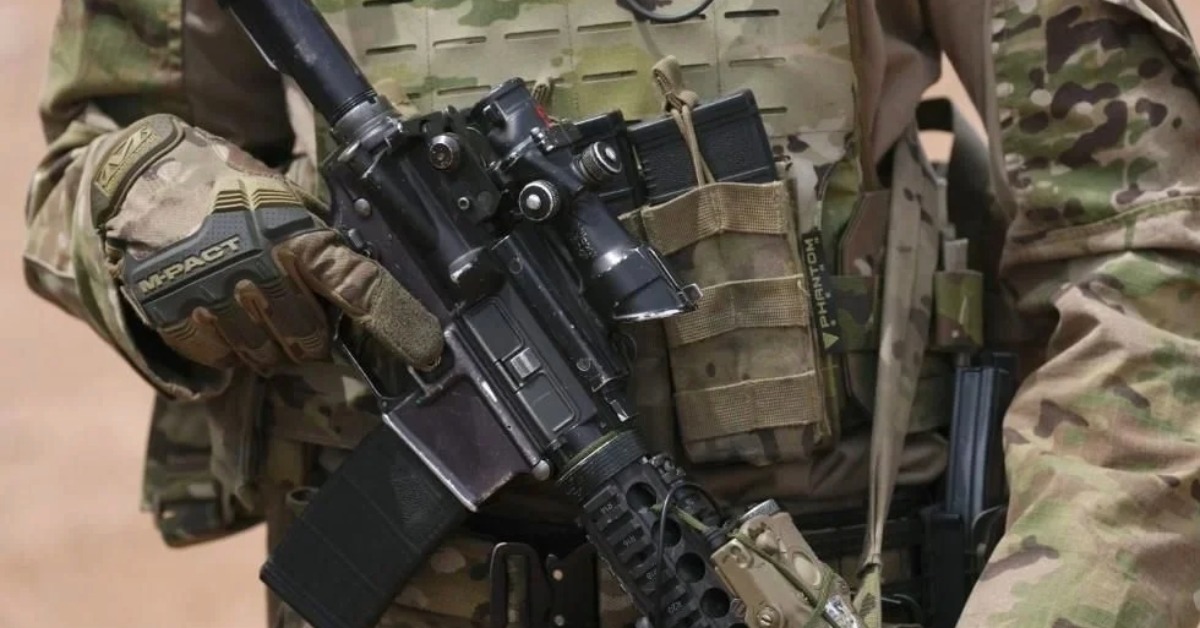
A small group of U.S. special operations troops is now in Mexico for a training program that runs into July. The authorization is real, the itinerary is specific, and the work is limited to military facilities. Still, the headlines can spark confusion. Does this mean foreign forces are operating in public? Why are the locations named? What kind of training is included, and who is supposed to supervise it? Here is what the official authorization covers, and what it does not.
Why you are hearing about it now
The entry of 12 U.S. special operations troops is tied to a formal authorization that became public as it took effect. The approval covers a defined training event with Mexican special forces. It includes permission for the group to enter with their armament. That detail often draws attention, but it is part of how these authorizations are written. The document identifies the event as SOF1 Capacitación MEXSOF (Defensa). It also names the U.S. unit involved, the 7th Special Operations Group, under the U.S. Northern Command special operations structure. The key point is timing. The Senate approved the entry earlier in February. The published authorization matches the scheduled arrival date. For many readers, the difference between “approved” and “arrived” gets lost. This is why the story resurfaces at the moment of the border crossing. For expats, it can look sudden, even when it follows a public vote. The authorization sets the purpose as training, not field operations. That boundary matters when rumors spread.
What the training is and is not
This authorization describes a training program, not a joint enforcement mission. It is intended to support the instruction and interoperability of Mexican special forces. The training content is described in general terms, but it points to specialized modules. These can include urban and rural tactics, tactical medicine, sniper procedures, and responses to improvised threats, including drones. The presence of U.S. personnel does not authorize patrols in cities or tourist zones. It does not create new powers to detain people. It also does not replace Mexican command authority on Mexican soil. The scope is defined by the sites named in the authorization and by the program’s end date. That structure is important for readers who worry about “foreign troops” as a broad concept. A small training team can sound bigger than it is. The numbers are fixed, and the mission title is specific. The program runs for several months, which can also feel unusual. In practice, longer dates can reflect a phased course schedule rather than continuous daily activity. The authorization’s limits are the central safeguard.
Where it happens and why those sites matter
The itinerary names three military locations and keeps movement inside the defense system. Training is scheduled at the Centro de Adiestramiento de Fuerzas Especiales in Temamatla, State of Mexico. It also includes the Centro de Adiestramiento Regional de la I Región Militar in San Miguel de los Jagüeyes, also in the State of Mexico. A later phase is listed at Base Aérea Militar No. 4 in Cozumel, Quintana Roo. For expats, the Cozumel reference can prompt questions about proximity to daily life. The important point is that the named site is a military air base. The authorization does not authorize activity in the island’s public areas. It is tied to a facility with controlled access. Travel details are also spelled out. The group is scheduled to arrive at Base Aérea Militar No. 1 in Santa Lucía and depart from Cozumel at the end. By routing travel through military airfields, the program reduces ambiguity about where the team is supposed to be. The locations are included to define limits, not to suggest a broader footprint.
How Mexico oversees the program
Mexico’s Senate authorization is the legal mechanism that allows foreign troops to enter, even for training. In this case, the Senate vote approved the visit for a set period, from February 27 to July 15, 2026. The approval passed with a large majority and a small number of abstentions. Oversight is built into the authorization. Mexico’s defense ministry is expected to provide a results report to senators after the program ends. The deadline is 30 days after July 15. That reporting requirement is one of the few public accountability tools for these exchanges. It does not publish every training detail in advance, but it does create a paper trail. For readers tracking sovereignty concerns, the core questions are duration, location, and limits. All three are spelled out. For readers focused on daily security conditions, the main takeaway is operational scope. The authorization describes instructions for use within military facilities. If Mexico sought a different role for foreign personnel, it would require a separate legal step. That is why the document’s boundaries matter as much as the headline.
With information from UnoTV, SIDOF Segob Notas, El Economista, Animal Político