Roadblocks, burned vehicles, and sudden flight changes can turn an ordinary day into a logistics test. After violence tied to a major cartel operation spread across parts of Mexico, US officials issued fresh security guidance, and the White House delivered a direct warning to criminal groups. For Americans living in Mexico, the practical question is simple: What should you do when alerts change by the hour? This version focuses on what the guidance means on the ground, how to track it, and what signals suggest conditions are improving.
When an alert becomes a daily decision
For many Americans in Mexico, the biggest risk during a security flare-up is confusion, not distance. In the past few days, US government advisories have shifted quickly as roadblocks appeared and then cleared. Some notices instructed US personnel in parts of western Mexico to shelter in place, and urged private citizens to consider the same. That language matters because it signals uncertainty on key roads, not a citywide shutdown. If you live in an affected area, plan around daylight, limit unnecessary highway driving, and avoid detours created by unknown groups. Do not approach barricades, even if traffic looks calm. Check airline status before leaving for an airport and expect last-minute cancellations when access roads are blocked. Keep essential documents and medication accessible, and make sure family or employers know your location. These steps reduce the risk that a sudden closure becomes a safety issue. The White House message adds political weight, but your decisions still depend on local conditions.
What sparked the unrest
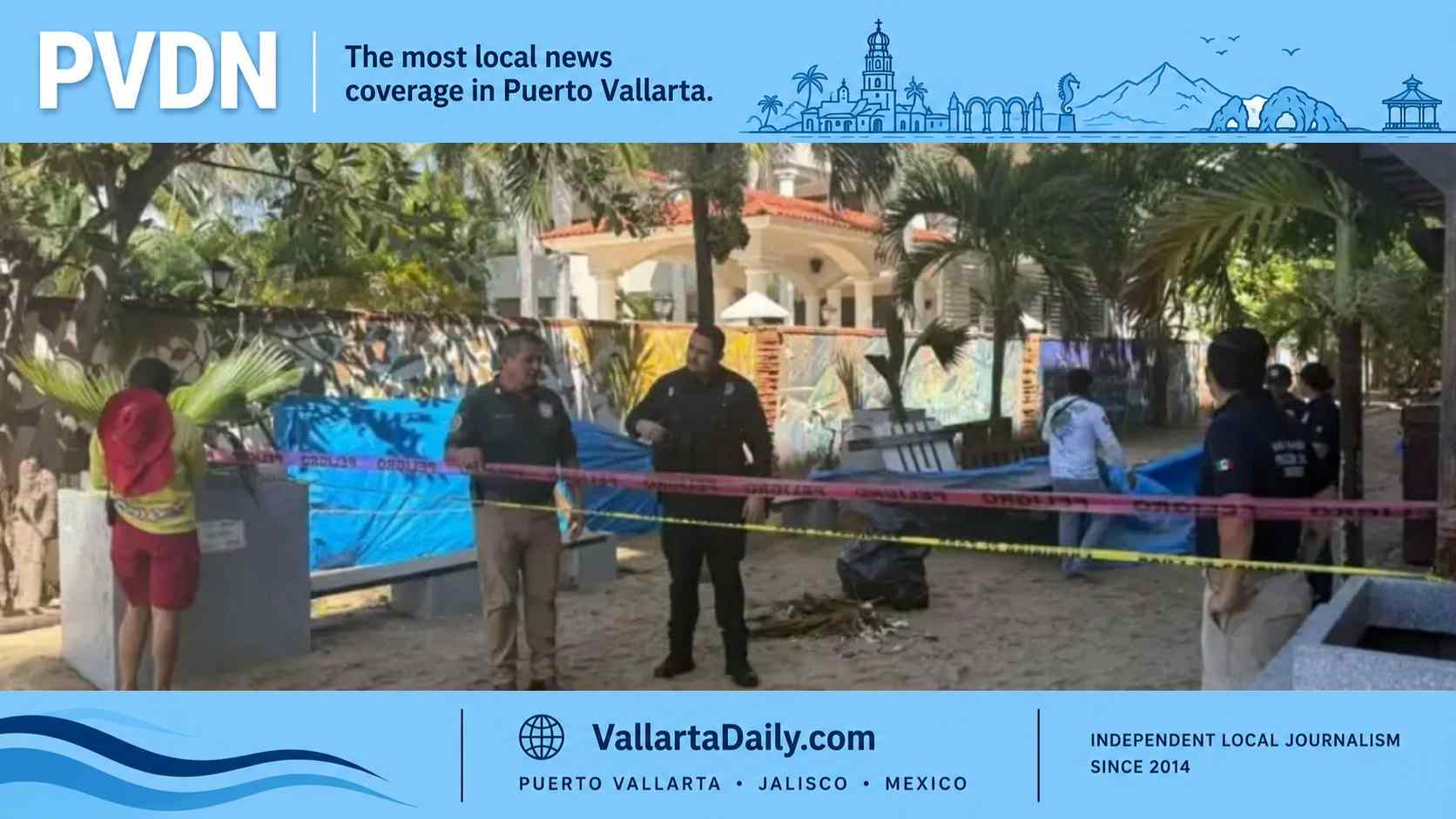
The disruptions began after Mexican forces carried out an operation near Tapalpa, Jalisco. The goal was to detain Rubén Nemesio Oseguera Cervantes, known as “El Mencho.” Authorities identify him as the leader of the Jalisco New Generation Cartel. Officials said he was wounded during the clash. They said he later died while being moved for medical care. Retaliation followed within hours and reached several states. Officials reported roadblocks on federal highways and vehicles set on fire. They also reported attacks against security forces and some public facilities. In several places, schools suspended classes for at least a day. Some domestic and international flights were delayed or canceled due to road closures. In Jalisco, authorities reported an armed assault on the Vallarta prison complex. State officials said 23 inmates escaped and a guard was killed. Federal security officials later reported arrests and deaths among suspected cartel members in related confrontations. President Claudia Sheinbaum said conditions were normalizing, but new incidents can appear overnight.
The White House message and why it matters to residents
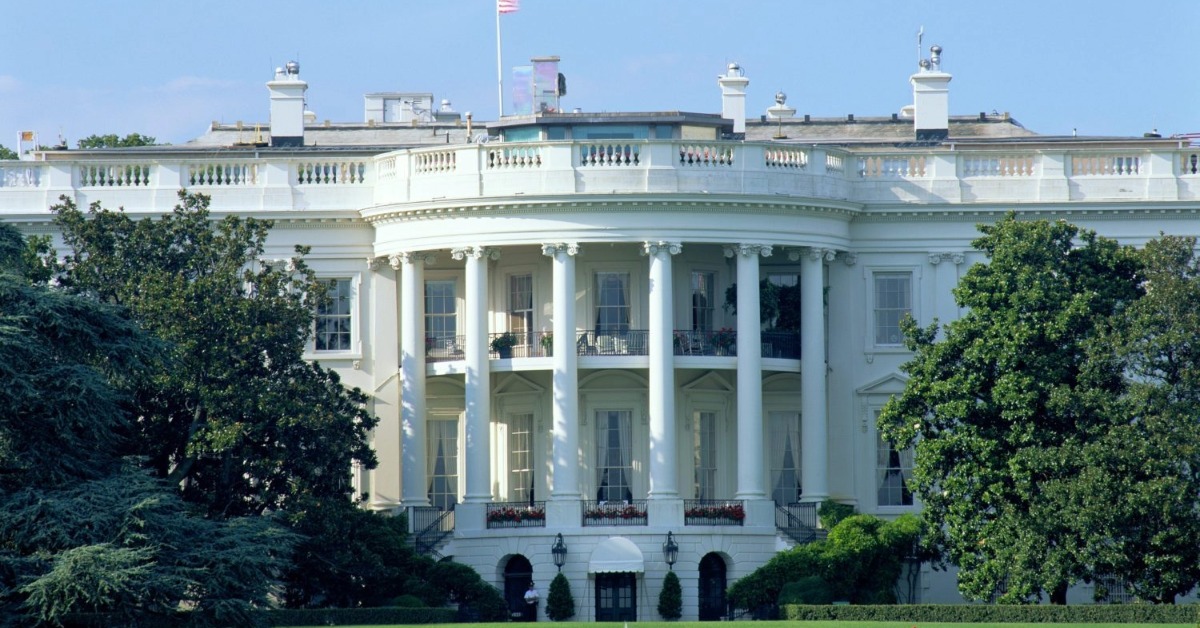
Against that backdrop, the White House chose a direct message rather than a quiet advisory. Press secretary Karoline Leavitt said the United States had no reports of Americans hurt, kidnapped, or killed in the unrest. She warned cartels that harming a US citizen would bring severe consequences. She also urged Americans in Mexico to follow State Department travel guidance and mission security alerts. The administration linked the warning to cooperation with Mexican authorities in the Tapalpa operation. US officials said intelligence support helped locate the target and plan the action. That framing matters for residents because it suggests close monitoring of follow-on threats. It also signals pressure on Mexican authorities to keep key tourist corridors functioning. In recent years, violence has sometimes surged after high-profile arrests or raids. US travel guidance can then shift from routine caution to specific shelter advice. For expats, the practical takeaway is that a national headline does not define risk in your neighborhood. Risk rises most on the roads connecting cities, and during periods of active operations.
How to use the guidance day to day
If you live in Mexico, treat official alerts as a tool for timing, not as a signal of citywide breakdown. Start with the state-by-state travel advisory, which explains baseline risk and common crime patterns. Then watch for time-stamped security alerts, as they describe immediate issues such as roadblocks. During the latest unrest, US officials directed their own staff in certain cities to shelter. That is often the clearest signal that movement may be unpredictable for several hours. Adjust plans by postponing intercity trips, switching to local errands, and avoiding routes that rely on toll highways. If you must travel, share your route and check in at set times. Keep your phone charged and carry enough cash for sudden diversions. Many incidents clear quickly once blockades are removed, but conditions can change again after dark. If you are traveling with visitors, set expectations early about delays and cancellations. US officials have also promoted registration tools that push alerts to your phone, as well as 24-hour contact lines for emergencies.
With information from N+ (NMás), Euronews, Reuters, El País, U.S. State Department Travel Advisory Mexico