Two high-end developments on the East Cape were cleared on paper, then abruptly put on ice. Now Cabo Pulmo tourism projects sit in a legal gray zone, caught between community pushback, questions about missing permits, and the reality of building next to one of Mexico’s most fragile reefs. What exactly was approved, what got suspended, and why hasn’t anyone delivered a final yes or no? The answers matter far beyond this quiet stretch of coast.
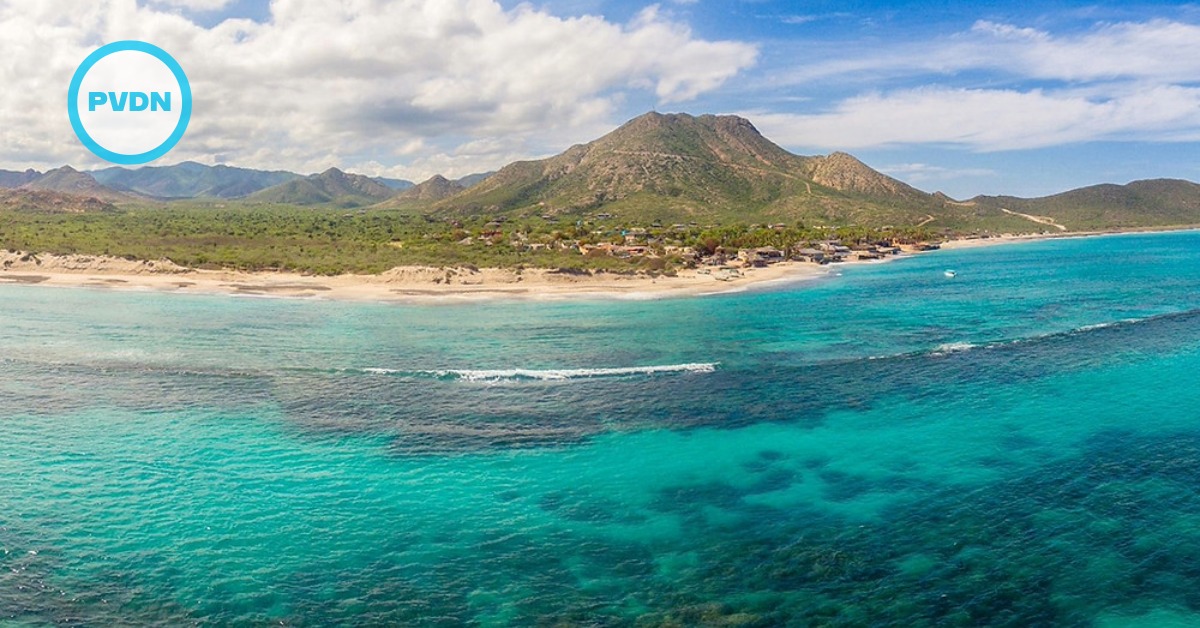
Cabo Pulmo has a way of turning small decisions into big ones. It looks like a sleepy corner of Baja California Sur, far from the high-rise skyline of Cabo San Lucas. But what happens here gets watched closely, because the park is a rare success story in marine conservation, and because the East Cape has become a new frontier for luxury development.
That tension sits at the heart of two proposed tourism projects that have been trying to move forward near the national park. The plans have not been fully approved, nor have they been fully cancelled. Instead, they remain suspended and legally contested, leaving locals, investors, tour operators, and would-be visitors stuck in the same uneasy question. Is this really happening, or not?
For expats in Mexico, especially those who travel the peninsula or live in the Los Cabos corridor, this isn’t just a local fight. It’s a preview of how Mexico handles growth when the land is valuable, the water is scarce, and the ecosystem is globally important.
Cabo Pulmo is protected for a reason
Cabo Pulmo National Park is best known for its coral reef system in the Gulf of California. The area has layers of legal protection that make it more than a scenic beach. It is part of a wider set of protected areas recognized internationally and is also designated as a Ramsar wetland site, a designation for places with outstanding ecological value.
Those protections don’t only cover what happens inside the park boundaries. They also raise the stakes for what happens next door. A major resort complex does not need to sit directly on top of a reef to change it. Sediment runoff, wastewater handling, new roads, groundwater extraction, construction noise, and increased boat traffic can all ripple outward. In a place like Cabo Pulmo, “nearby” still counts.
That is why proposed builds in the park’s area of influence tend to trigger intense scrutiny. And it is why the latest proposals have not been able to move from paperwork into certainty.
What the proposed developments would build
The unresolved dispute centers on two separate projects planned near Cabo Pulmo.
One proposal, known as Baja Bay Club, is designed as a large-scale tourism and real estate complex on a footprint measured in the hundreds of hectares. Project descriptions include hundreds of villas, hotel rooms, a beach club, infrastructure tied to recreational boating, and a golf course. The location is close enough to the park that it has repeatedly raised concerns about the cumulative impact of a project of this size on dunes, coastal habitats, and the marine environment.
The site also carries history. The same broader area has been linked in the past to ambitious resort plans that became symbols of overreach on the East Cape. So for many locals, the debate is not only about one project. It’s about whether an old idea is returning under a new name, with new paperwork.
The second project, called La Abundancia, is presented as a smaller complex in terms of acreage, but still significant in what it would add to a lightly developed coastline. Descriptions include a hotel component, residential units, and amenities such as a beach club, as well as roads and service areas. The project has drawn particular attention because of how it would meet basic needs in a desert environment, especially water. Plans discussed publicly have included drawing from the local aquifer and relying on desalination to cover demand.
Even if individual projects claim modern engineering solutions, the practical question remains the same. If the East Cape fills up with resort-style development, where does the water come from, where does the waste go, and what happens to the communities and ecosystems that already live on the edge of what the land can support?
Why Cabo Pulmo tourism projects remain unresolved
The short version is that these projects were authorized in principle, then blocked in practice.
Both developments received federal environmental authorizations in late summer 2024. That set off immediate backlash from civil society organizations, researchers, and residents who argued the approvals were rushed, incomplete, or inconsistent with the protections around Cabo Pulmo. Lawmakers in Baja California Sur also pushed federal authorities to revisit the decisions and, in some cases, to annul them.
Those objections did not stay in the realm of public debate. They moved into formal legal and administrative challenges. Federal environmental authorities later confirmed that the projects’ authorizations were suspended on a provisional basis while the challenges are reviewed. In plain terms, that means the approvals are not currently usable as a green light to build, and the government is still weighing whether they should stand.
Officials have also pointed to a practical issue that matters in these cases. Even with an environmental authorization, a developer still needs other permits to proceed. If those permits are missing or incomplete, it becomes easier for authorities to justify pausing the project while the underlying disputes are resolved.
This is why the word “unresolved” is doing so much work right now. The projects are not moving forward, but they are also not dead. A suspension can end in several ways. It can be lifted. It can be extended. Or it can become a pathway toward revocation or major modification. Until that decision lands, the projects remain in limbo.
The larger fight behind the paperwork
It’s tempting to treat this as a technical argument about impact assessments and timelines. It isn’t. At its core, it’s a fight over what kind of future the East Cape is heading toward.
Supporters of development often frame projects like these as inevitable and as a source of jobs and investment. Critics see a pattern that Baja residents know too well. Resorts arrive first, then the pressure spreads. Housing prices rise, water becomes political, roads and services struggle to keep up, and small communities get reshaped around outside demand.
Cabo Pulmo adds another layer. The park’s identity is tied to conservation and low-impact tourism. Diving, snorkeling, and nature-focused travel are part of its economic value. If the coastline around it changes into a high-traffic resort zone, even without building inside the park, the entire character of the area can shift.
This is why so much of the opposition focuses on cumulative effects and “piece by piece” approvals. People aren’t only asking whether each project can meet requirements on paper. They are asking what the coastline looks like when you stack multiple approvals together, year after year, in a place where water and habitat are already under strain.
What to watch next
For now, the most important fact is simple. The legal process is still active, and federal authorities say the status of these authorizations has not been definitively settled.
The next outcome could take several forms. The suspensions could be lifted with conditions, allowing construction to proceed. The approvals could be rewritten, downsized, or forced through new reviews. Or the government could decide the authorizations should be revoked altogether.
For residents and expats who love this part of Baja, the immediate takeaway is less about which side wins a legal argument. It’s about whether Cabo Pulmo remains surrounded by the kind of coastline that makes the park possible, or whether it becomes a protected island in a sea of resort development.
Until a final decision is issued, Cabo Pulmo tourism projects will continue to hover between promise and pause, and the East Cape will keep waiting to find out what kind of growth Mexico is willing to permit next to one of its most sensitive marine sanctuaries.