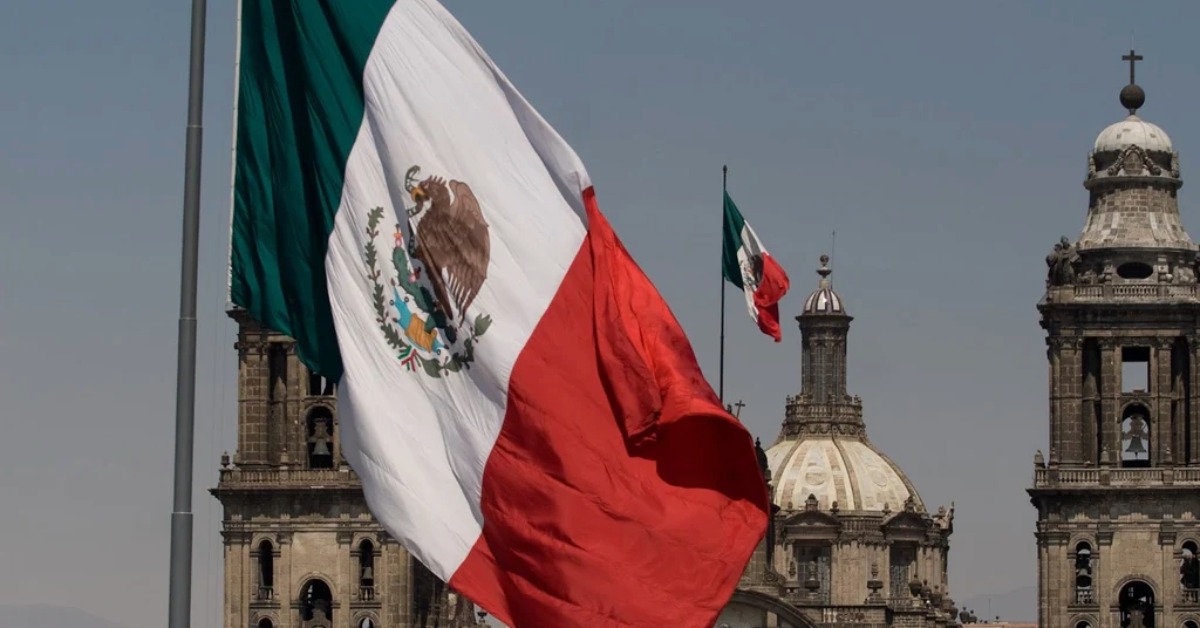
Mexico’s civic calendar includes several nationally recognized dates, and February 24 stands out for its focus on a single symbol: the flag. The day traces back to an 1821 milestone that helped unite forces in the final stage of the independence war and introduced the tricolor. Schools and public offices mark the date with formal honors, and federal law sets protocols for display and ceremony. For new residents, the day often raises practical questions too, including whether normal schedules change. This explainer covers the essentials.
A civic date built around the flag
Mexico observes February 24 as Día de la Bandera, a civic date focused on the national flag. Modern observance dates to the 1930s, when the day was established and later made official by presidential decree. Unlike Mexico’s statutory rest days, Flag Day is not a mandatory day off for most workers. Daily routines usually continue, but the flag becomes more visible in public spaces. Schools often schedule honors ceremonies, and government offices may hold formal events. These acts usually include a flag salute and the national anthem. Some locations also hold public flag-raising ceremonies in plazas or outside official buildings. The point is not celebration in the party sense. It is a reminder that the flag is one of Mexico’s official national symbols, alongside the coat of arms and anthem. For many residents, the rituals are familiar from school assemblies. For many foreign residents, the date is a quick lesson in how civic identity is taught and reinforced.
The 1821 origin behind the date
The date is linked to a specific moment in the independence process. On February 24, 1821, the Plan of Iguala was proclaimed in what is now Guerrero state. The plan sought to unify forces that had been fighting on different sides. It set out three “guarantees” that framed the political project: religion, independence, and union. To defend those aims, the Plan of Iguala called for the Ejército Trigarante, or Army of the Three Guarantees. A tricolor banner became the army’s identifying symbol. That coalition helped bring the war to a close later in 1821. The color scheme that emerged during that period remained in Mexico, even as governments changed. In its early meaning, the colors were tied to the three guarantees. Over time, civic teaching shifted the associations toward hope, unity, and the sacrifice of national heroes. Flag Day uses the anniversary to connect the modern state to that 1821 turning point.
How the current flag is defined in law
Mexico’s current flag design is defined in federal law, not by custom alone. The law describes a rectangle divided into three vertical bands, with the national coat of arms centered on the white band. It also sets the flag’s proportions and the required placement of the emblem. The version used today was adopted by decree in 1968 and later confirmed in the 1984 law on national symbols. That law also fixes February 24 as Flag Day and orders authorities to conduct civic activities that day. It calls for special radio and television programming to spread the flag’s history and meaning. It spells out how honors are rendered, including the civil salute. The same legal framework governs where the flag must be displayed and how it is treated in official ceremonies. In everyday life, many people learn a standard interpretation of the colors. Those meanings are taught in schools and public culture, even though the law focuses on form and protocol.
What you may notice today
For residents and visitors, Flag Day is most noticeable in schools and official spaces. Many campuses hold morning ceremonies, and some communities organize public events around a central flagpole. Public buildings that can display a flag often do so with added formality on this date. Military and civil authorities also use the day for abanderamiento, the formal presentation of a flag to an institution. Media outlets often carry official messages and educational segments tied to the anniversary. If you are an expat, the practical takeaway is simple. Expect regular business hours in most places, since the date is not a nationwide work stoppage. At the same time, expect more civic protocol in view, especially near government buildings and schools. In ceremonies, people commonly stand still, face the flag, and follow the local cues for the salute. Knowing the basics helps avoid small misunderstandings and explains why February 24 appears on so many calendars.
With information from Excelsior, El Sol de Zacatecas, Museo Legislativo de la Cámara de Diputados, PROFEDET, Gaceta UNAM