Puerto Vallarta’s May 31 celebration looks simple from the outside: cake, music, speeches, and a packed Malecón. The date carries a more complicated story. It marks the legal birth of the municipality, the later promotion to city status, and the long negotiation between old Vallarta and the tourism economy that now sells it to the world. The anniversary is less about nostalgia than about the parts of the city still fighting to stay visible today.
Puerto Vallarta Has Two Birthdays and One Big Secret
Puerto Vallarta has two birthdays because May 31 marks two different civic promotions, not the day someone first dragged a fishing net onto the sand and declared the place charming. In 1918, Las Peñas became the municipality of Puerto Vallarta. Fifty years later, after roads, flights, and public works pushed the port into a new league, it was elevated to city status. The official anniversary notice for 2026 describes the celebration as marking 108 years as a municipality and 58 years as a city.
That is the clean version. The messier, more useful version is that Puerto Vallarta’s anniversary is really about reinvention. It marks the point where a coastal settlement tied to fishing, pearl diving, the Sierra mining towns, and Banderas Bay became an official municipality. Fifty years later, the same date marked its passage into the modern tourism age.
From Las Peñas to Puerto Vallarta
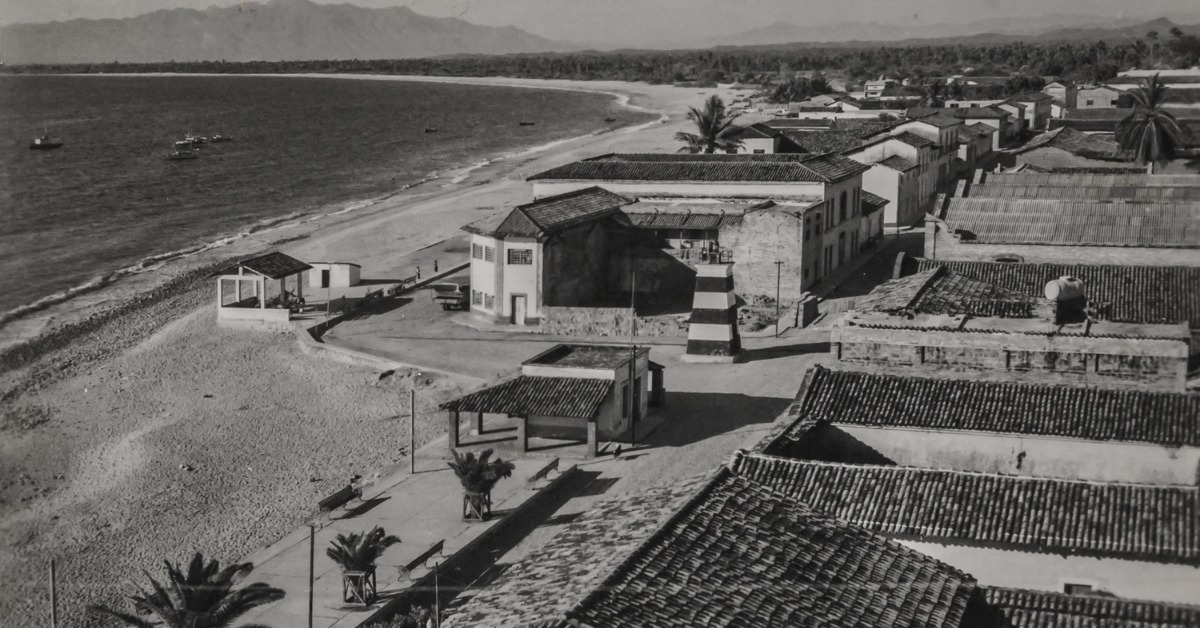
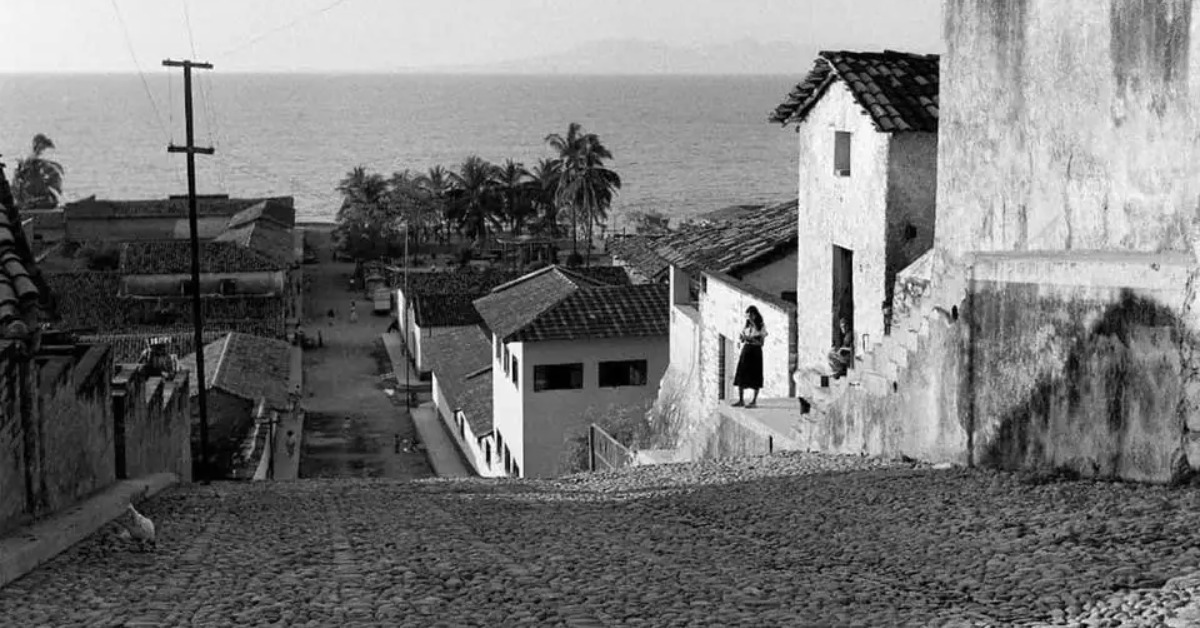
Before the name Puerto Vallarta appeared on hotel brochures, airport boards, and beach towels, the settlement was Las Peñas de Santa María de Guadalupe. Its early life was practical, not picturesque, as tourism likes to package the past. People fished, moved goods, worked the bay, and served the inland towns that mattered more in Jalisco’s old mountain economy.
The Puerto Vallarta Tourism Board’s history account describes Las Peñas as a small fishing and pearl-diving village that grew into a landing port for Sierra towns, especially as mining and agriculture shaped the region’s inland trade. By that account, people from those mountain towns were already returning to the coast for vacations by the mid-19th century.
That detail is easy to miss, and it explains a lot. Vallarta did not begin as a resort designed for foreign visitors. It was already a working place, a seasonal escape, and a coastal outlet before the global tourism machine discovered it had excellent sunsets and a photogenic church tower.
On May 31, 1918, the Jalisco State Congress issued a decree elevating Las Peñas to municipal status and renaming it Puerto Vallarta. The new name honored Ignacio Luis Vallarta, the former Jalisco governor and jurist whose name still sounds more like a bronze plaque than a beach destination.
Municipal status gave the town a political body of its own. It also gave it a public birthday. That first May 31 anniversary marks the moment Las Peñas ceased to be a dependent locality and became Puerto Vallarta in law.
The second birthday came with roads and runways
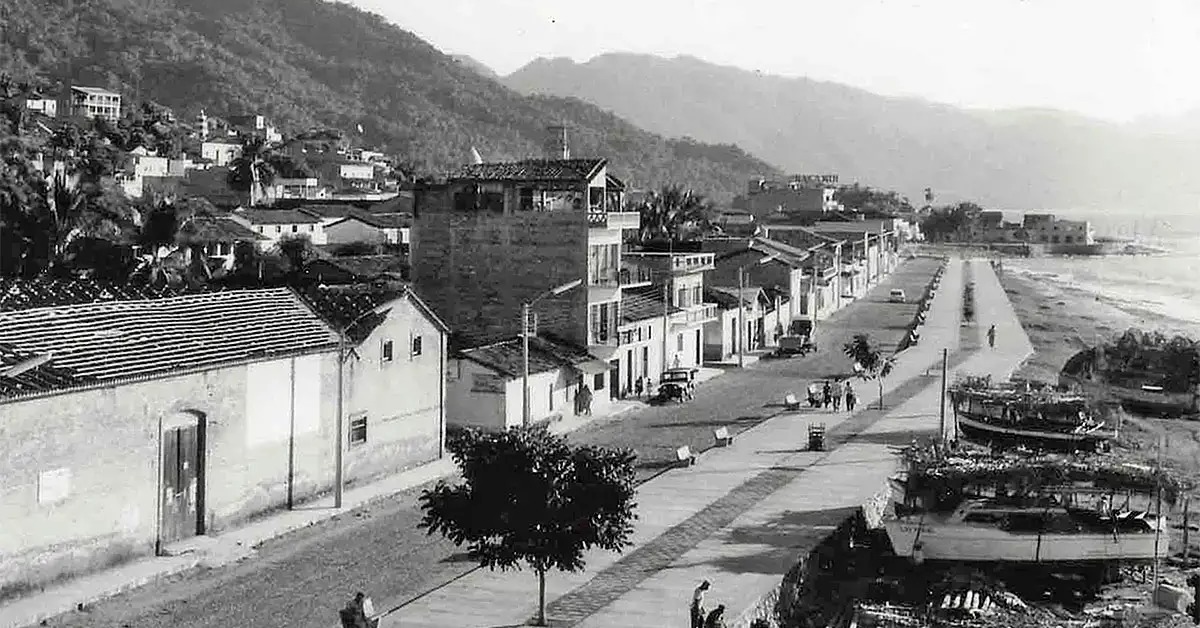
The second May 31 birthday arrived half a century later. In 1968, Puerto Vallarta became a city, a promotion that followed major changes in access, infrastructure, and national attention. By then, the place was no longer a difficult-to-reach coastal town at the edge of the Sierra.
Officials link the 1968 city designation to the growth of infrastructure and air and land connections. That phrasing sounds bureaucratic, but it points to the real hinge in Vallarta’s modern story. A destination cannot become a global brand on cobblestones alone. It needs roads, flights, water systems, hotel capacity, and a government ready to sell the place to the world.
Hollywood helped, of course. The filming of The Night of the Iguana at nearby Mismaloya in the 1960s turned the bay into an international gossip column with mountains. Richard Burton, Elizabeth Taylor, and John Huston did not create Puerto Vallarta. They made outsiders look. The tourism economy did the rest, with the patience of a bulldozer and the smile of a concierge.
That is why the double anniversary carries a quiet tension. One birthday belongs to local identity. Expansion owns the second. Both are true. Together, they still argue with each other in the streets.
Old Vallarta is real, but it is not a museum
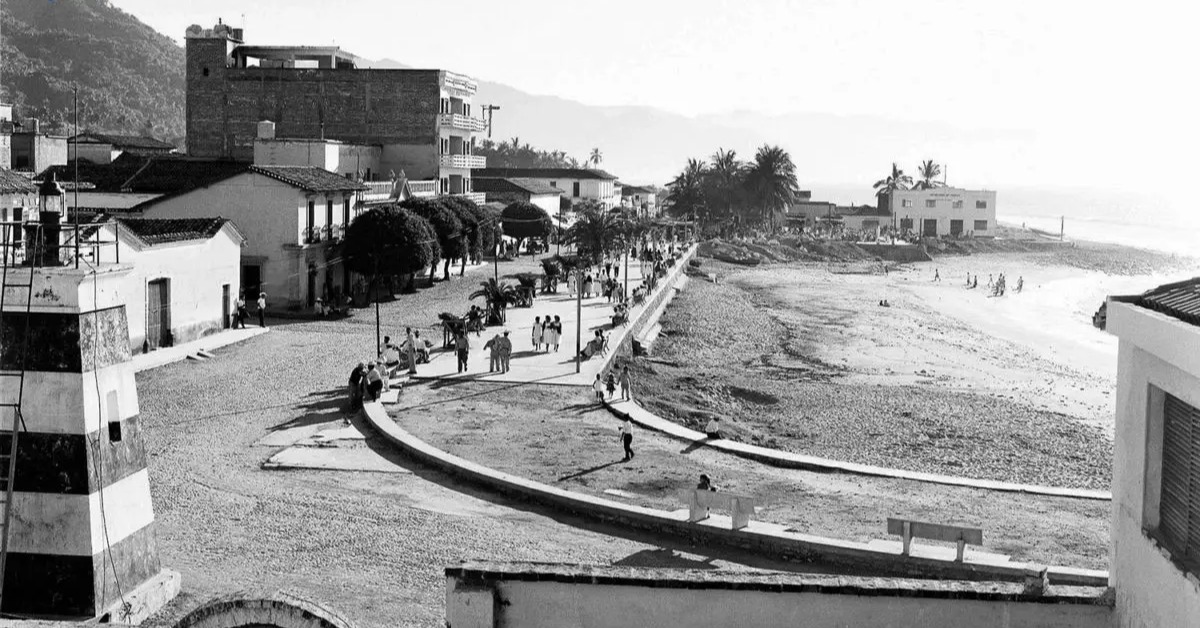
The phrase old Vallarta gets thrown around so often that it can sound like a marketing scent pumped into a hotel lobby. Still, parts of it are real. Centro still has the church, the plaza, the municipal palace, family businesses, narrow streets, and that slightly chaotic choreography of pedestrians, buses, delivery trucks, and people who have no intention of rushing.
The Romantic Zone and Centro also hold pieces of the older town, though not always in postcard form. A painted wall, a tiled roof, a sidewalk taco stand, a neighbor leaning into a doorway at dusk. These are not museum pieces. They are ordinary local habits surviving in expensive real estate.
Tourism has preserved some of Vallarta by making it profitable to keep a certain look. It has also replaced plenty. Small houses become rental units. Old storefronts turn into polished restaurants. Hillsides fill with glass and concrete. The word authentic gets stapled to things that often cost more than a local weekly wage.
During the solemn session, Mayor Luis Ernesto Munguía González said that Puerto Vallarta has changed in recent years and should preserve its values while maintaining a pueblo típico at the heart of the municipality.
Residents may hear a real center of traditions, neighbors, and civic life. Developers can turn it into a decorative theme. Visitors often mean the part of the city they hope still exists after they check in. Vallarta’s daily challenge is keeping the first meaning from being swallowed by the other two.
Civic memory still has names attached
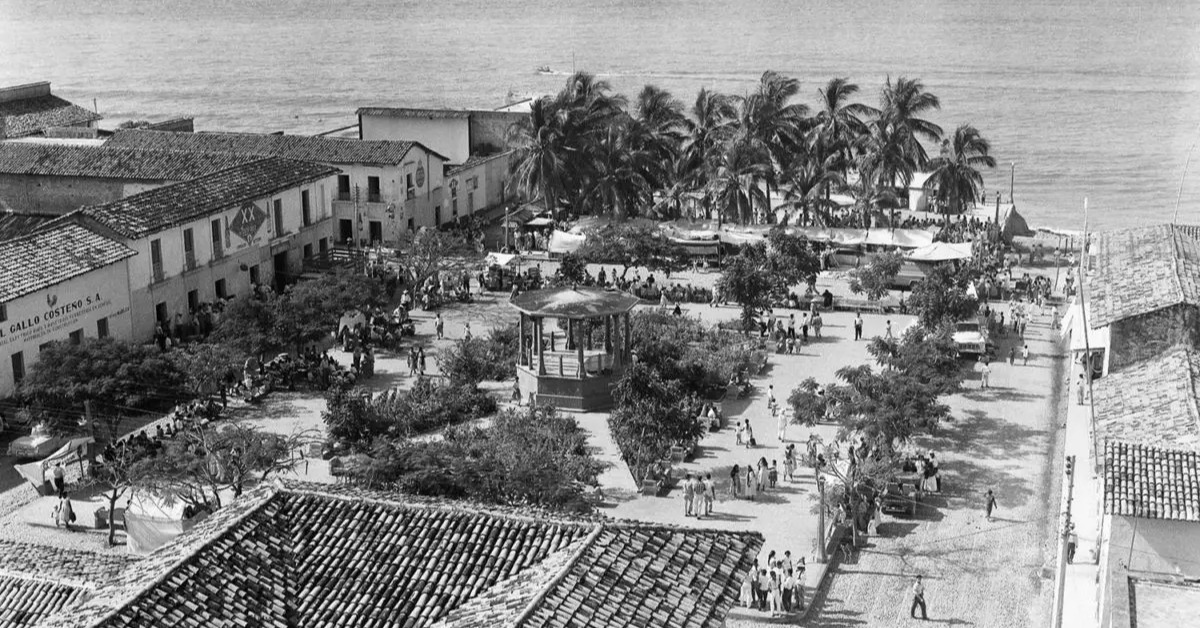
The annual Premio Puerto Vallarta is one way the city keeps local memory from becoming only a tourism slogan. The prize is not for the tallest hotel tower, the newest beach club, or the best margarita with dry ice. It recognizes people and organizations whose work lies closer to the city’s civic bones.
The 2026 call for the Premio Puerto Vallarta lists categories for exemplary service, education, culture, social assistance, arts, tourism promotion, environmental care, sports, and business development. Recipients receive a medal and a formal pergamino naming them either an illustrious Vallartense or an adoptive Vallartense, depending on birthplace.
In 2026, the city recognized Isela Mariscal Hernández for cultural promotion, Ana María Martínez Delgado for education, Nakawe A.C. for environmental work, María Matilde Covarrubias Sánchez for the arts, and María del Carmen Anaya Corona for service to the community.
Those names do something useful on anniversary day. They move attention away from the generic image of Puerto Vallarta as a resort and back toward the people who keep a city alive when the visitors go home, the cruise ship leaves, and the last song on the Malecón stage goes quiet.
This year’s celebration gives the history a live address
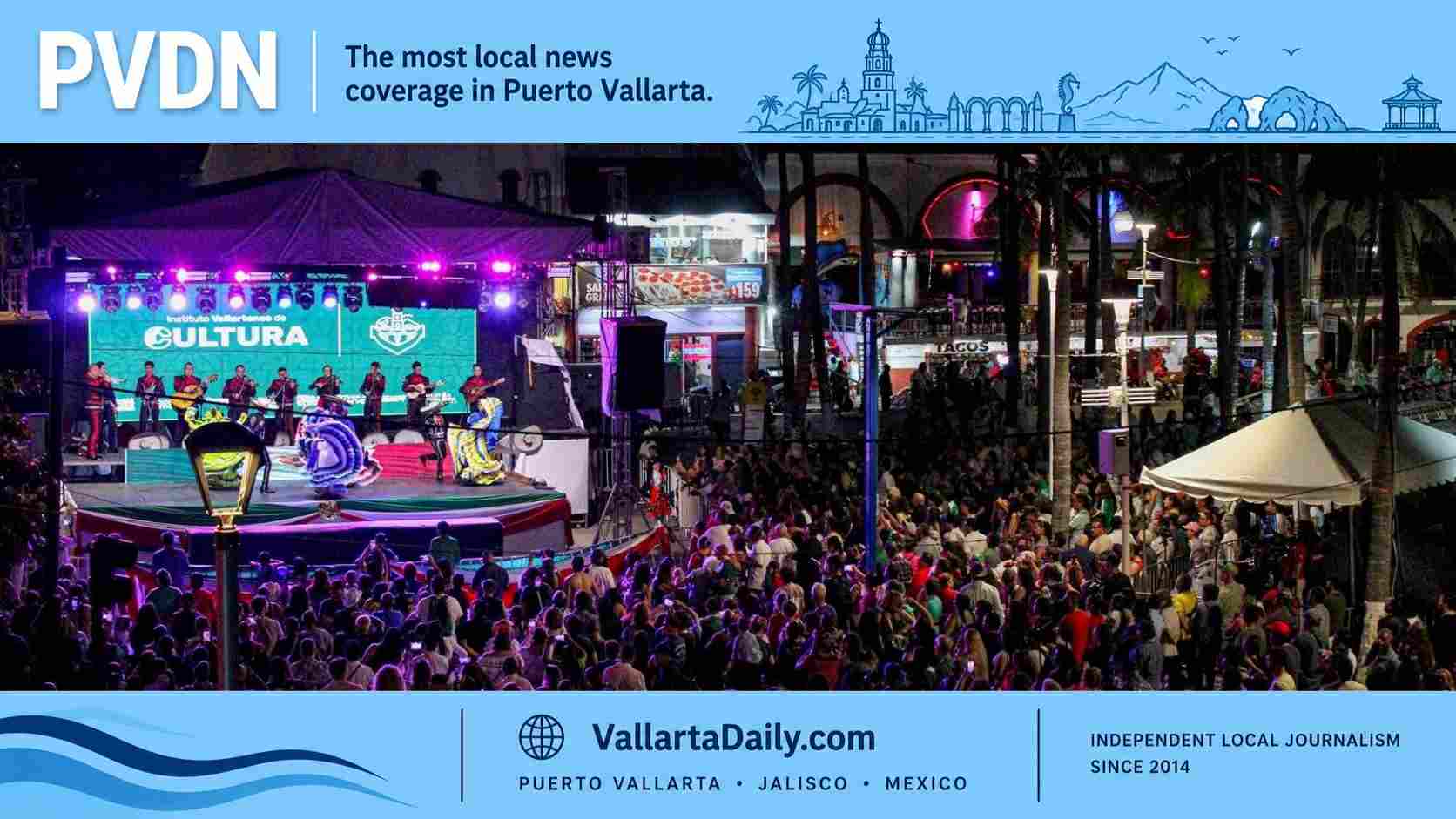
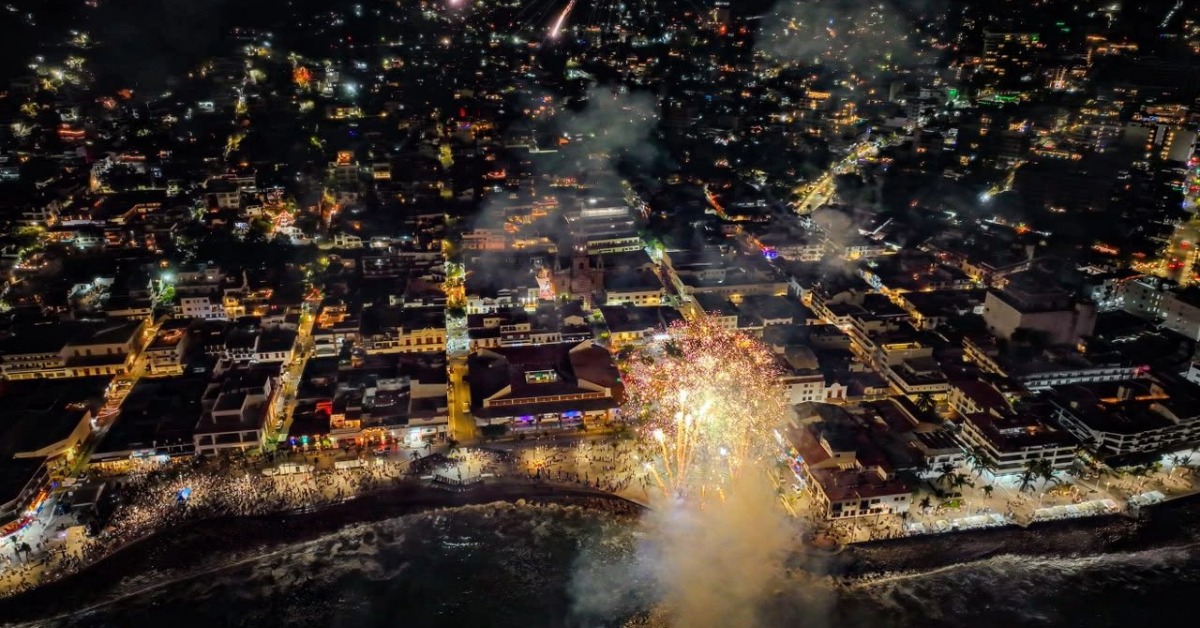
The 2026 anniversary was not only a date on a civic calendar. The official program featured events throughout the center from May 29 to May 31, including an Archivo y Memoria exhibition, music, folk dance, a solemn session at Los Arcos del Malecón, an acrobatic show by the Mexican Air Force, cake-cutting, fireworks, and a midnight musical guest.
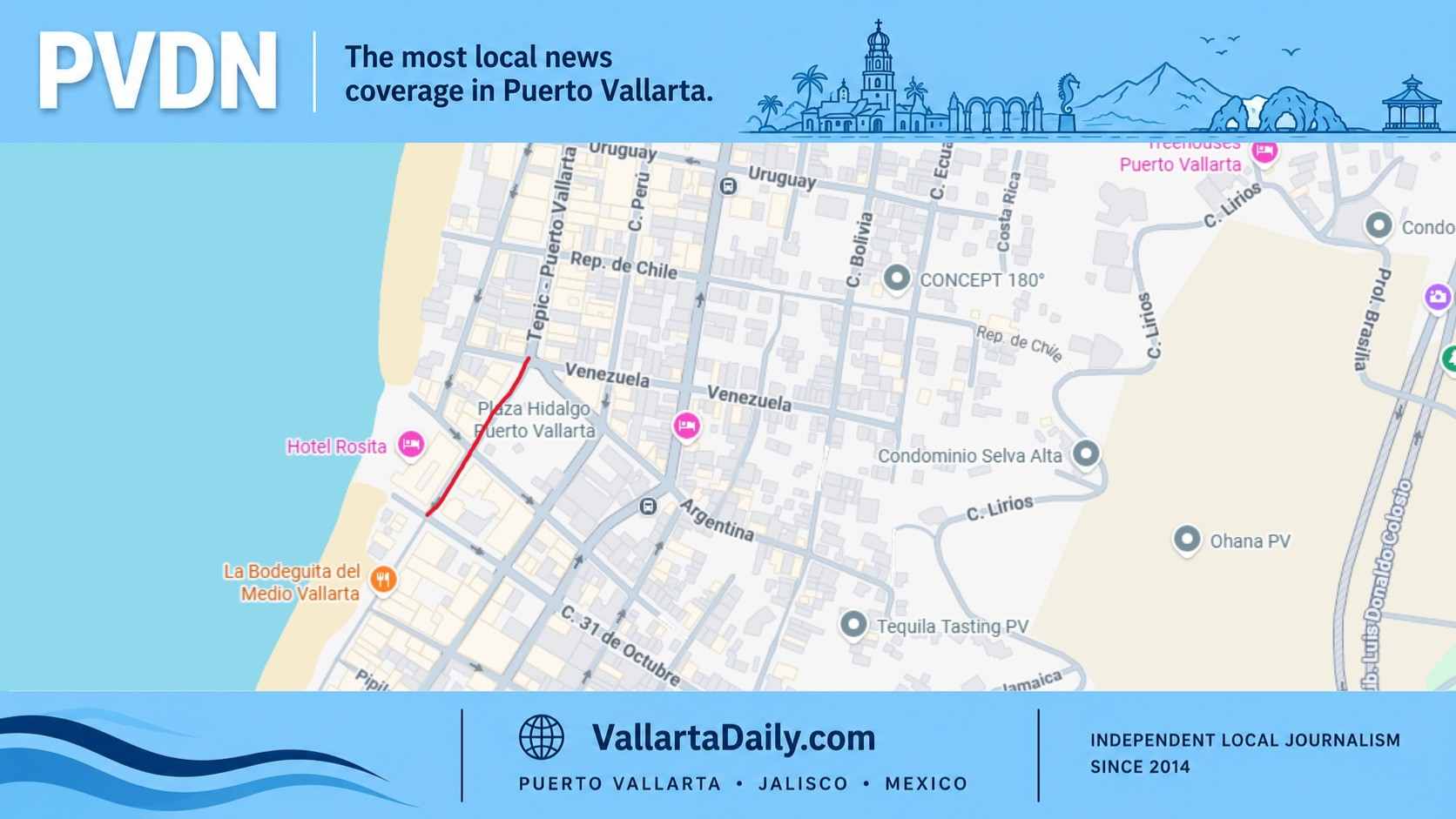
Vallarta Daily also reported the practical side of the celebration: Morelos closures and bus route changes in the Historic Center after 5 p.m. on Sunday. That is anniversary history in its most honest form. A city remembers itself, and everyone else has to find another way around downtown.
The ceremony at Los Arcos included honors to the flag, hymns, readings of the municipal decrees, a historical sketch by the city chronicler, and the Premio Puerto Vallarta recognitions. Those rituals can look stiff from the outside. Locally, they are part of how a city says its past out loud.
Puerto Vallarta’s two May birthdays do not compete with each other. One marks the legal birth of the municipality. The other marks the city’s arrival as a modern urban and tourism center. Between them sits the story residents still live with every day: a port that became famous, a town that became a brand, and a city still trying to decide how much of old Vallarta it is willing to protect.