Mexico is considering a legal reform that would rename the country’s immigration authority and adjust its mandate. For foreigners planning to move to Mexico, the immediate question is whether residency and visa requirements will change. Most entry and residency rules are set in federal law and regulations, not in an agency’s branding.
Still, a reform package can alter who enforces migration controls, how applications are processed, and how decisions are reviewed. Those shifts can affect appointment availability, required documents, and timeframes, even if visa categories stay the same. The government has not published the initiative text as of February 21, 2026. That means applicants cannot yet compare the proposal against current rules for temporary residence, permanent residence, or work authorization.
Specialists also say any reform should address enforcement practices and safeguards for people in transit. Their concerns do not target foreign residents specifically, but they shape the broader direction of policy and operations.
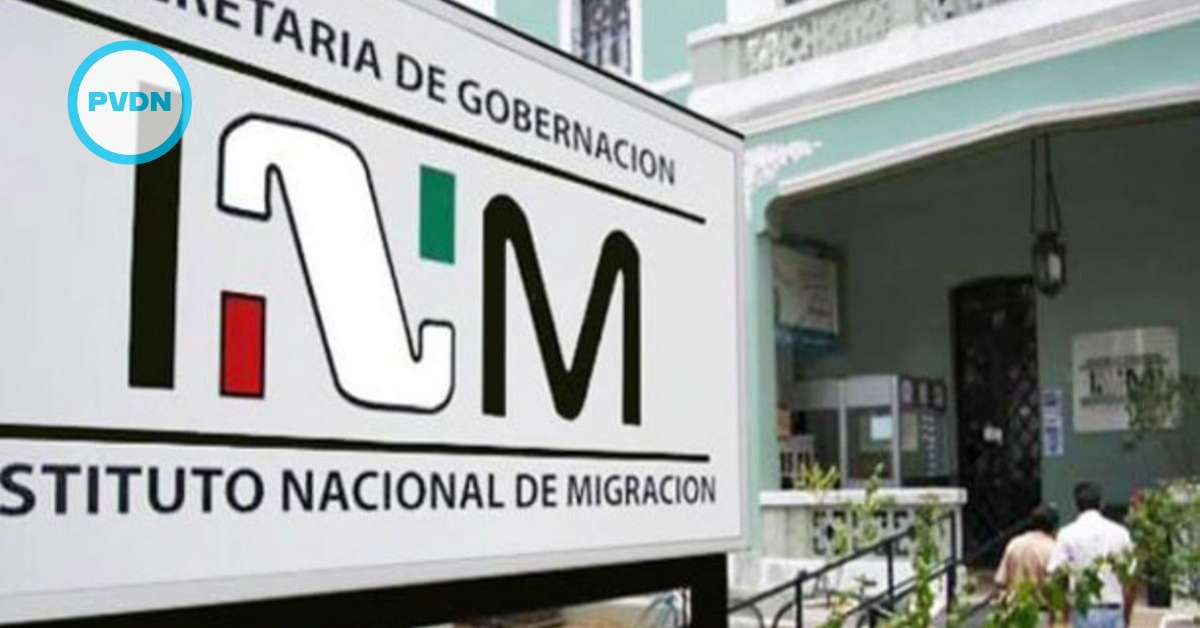
On February 19, 2026, President Claudia Sheinbaum said her administration will send a legal initiative to reform the Instituto Nacional de Migración and change its name to Instituto de Movilidad Humana. She said the goal is to guarantee the agency’s functions and strengthen protection for migrants in Mexico.
The announcement came as the agency continues to handle routine services for foreign residents, such as exchanging consular visas for resident cards, renewals, and status changes. After the announcement, specialists and former officials argued that a name change would not, on its own, address operational issues. They called for changes that reduce the role of security forces in migration enforcement and strengthen oversight of detention and processing facilities. They also warned that reforms can stop at terminology if they do not change staffing profiles, internal controls, and accountability mechanisms.
Those debates matter for foreign residents because the same institution that enforces migration rules also determines the outcomes of paperwork for visitors and residents. A reform that changes incentives, staffing, or oversight can change how consistently rules are applied across offices.
Will residency and visa requirements change
For most foreigners moving to Mexico, the decisive rules sit outside the agency’s name. Residency categories and core eligibility standards are defined in the Migration Law and its implementing regulations.
Consulates issue visas abroad for people seeking temporary or permanent residence, while in-country offices complete the process and manage renewals. In practice, applicants rely on administrative guidelines, published requirements, and local office procedures. If the initiative only renames the institution and reorganizes internal functions, the legal basis for residency may remain unchanged. That would mean the same visa categories, the same need to qualify through family links, employment, or financial solvency, and the same requirement to maintain a valid status.
If the initiative amends the law or regulations that define the conditions of stay, it could change eligibility, documentation, or timing. It could also shift which agency has final authority over permits and appeals. Until the bill is public, it is not possible to say which path the government has chosen.
Even without changing residency categories, reform can alter day-to-day expectations for foreigners. A restructuring can trigger new forms, updated fee tables, different appointment systems, and changes in where cases are reviewed. It can also shift enforcement away from airports and borders, especially if responsibilities shift between civilian staff and security forces. That affects travelers who enter frequently, people who work across states, and residents who need consistent re-entry rules.
Foreign residents may also see changes in how offices verify address, income documentation, or family relationships. Those checks already vary by office, and transition periods can widen that variation. The same is true for processing times. If management changes and staff are reassigned, backlogs can grow before stabilizing. Applicants who plan to relocate in 2026 should factor that risk into schedules for housing, school enrollment, and employment start dates. Those are impacts that can occur even when the legal criteria for residency remain identical on paper.
What to watch next
The next signals will come from the initiative’s text and how Congress handles it. Foreign applicants should watch whether the proposal amends the Migration Law, its regulations, or only the agency’s organic structure. Transitional provisions will matter because they can set grace periods, document equivalencies, and deadlines for switching forms and systems.
Administrative guidance can also change through official publications that govern procedures for filings, renewals, and status changes. Until there is clarity, applicants can reduce risk by keeping passports valid well beyond entry dates, maintaining complete copies of prior filings, and allowing extra time for appointments and document legalization.
People already living in Mexico should track any local office notices that affect renewals and travel plans. People applying from abroad should check consulate guidance close to their appointment date. The key point is that a new institute name does not, by itself, rewrite residency rules. The reform’s legal text will determine which changes and when.