A strong surf alert was already active around Bahía de Banderas when a beach outing near Villa Varadero became fatal. The first emergency accounts describe a woman pulled beyond shore by a powerful wave, police trying CPR on the sand, and questions left unresolved about what was posted at the beach that afternoon. The case adds a grim edge to recent mar de fondo warnings across the bay, where officials have been telling people to stay out of rough water.
How a Beach Afternoon Turned Deadly in Nuevo Nayarit
A woman died Monday afternoon after a wave pulled her into the ocean beside the Villa Varadero area of Nuevo Nayarit, near the pier in Bahía de Banderas.
The incident was reported at about 4.30 p.m. on June 1. Police and emergency services were sent into the tourist zone. A police and emergency account said the woman had been swimming with relatives and other beachgoers. A strong wave then caught her and dragged her farther from shore.
Municipal police officers identified in the account as “the guardians” were on preventive patrol nearby. They responded after the emergency call. The woman was later brought back to the beach unconscious. Officers attempted CPR on the sand, but could not restore vital signs.
Protección Civil y Bomberos de Bahía de Banderas arrived as the response was already underway. Authorities then cordoned off the area.
The woman was identified in one account as Rosa Elena N., 53, originally from Nayarit and living in Tijuana, Baja California. Another published account identified her as Rosa Elena García de la Cruz and gave her age as 49. Her exact age could not be independently confirmed on Tuesday afternoon because the available accounts differ.
Rough surf was already under warning
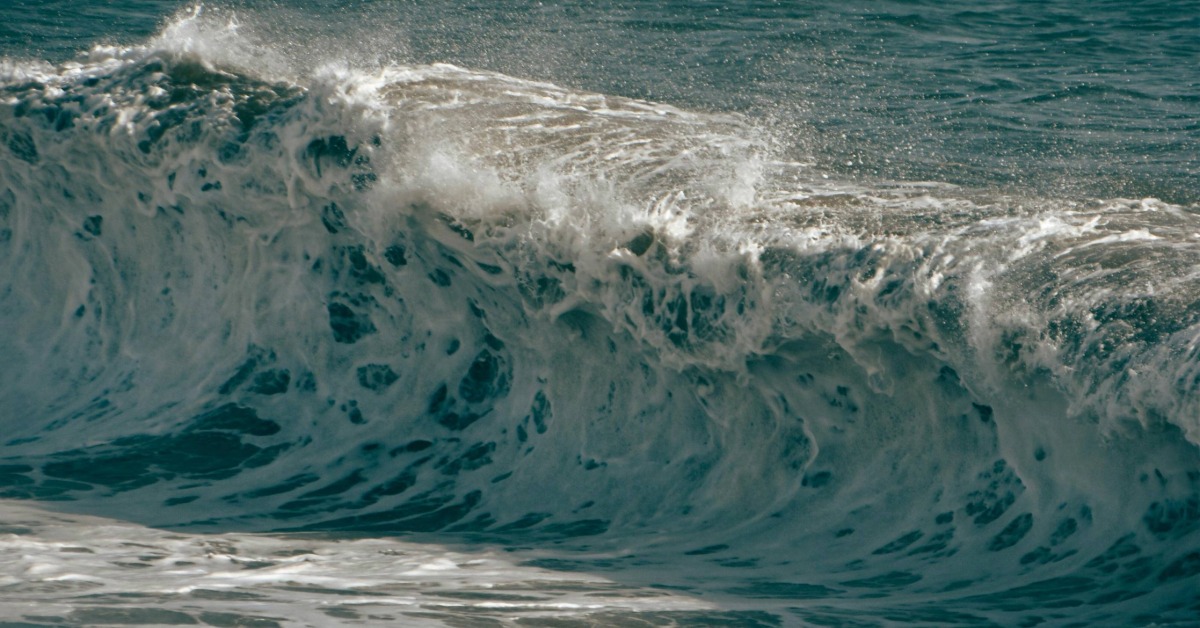
The drowning happened as beach authorities in Bahía de Banderas were warning about mar de fondo. The long-period Pacific swell can create sudden heavy surf and rip currents. In a preventive notice from the municipal government, officials said, “Since Saturday, we have had a strong swell.” The notice described internal currents and surf of two to three meters along the coast.
Federal forecasters had also included mar de fondo with waves of two to three meters for Nayarit, Jalisco, Colima, and Michoacán in the June 1 general forecast. On the same day, a rough seas warning in Puerto Vallarta noted the regional risk across the bay. That warning pointed to rip currents and sudden changes in water level.
Mar de fondo is often misunderstood because the danger lies not only in the height of a single wave. CENAPRED describes it as “oleaje largo y continuo generado por tormentas en el mar.” The swell can move across the Pacific and reach beaches far from the storms that created it.
What beachgoers are told to do
Bahía de Banderas Civil Protection urged people to avoid entering the water while adverse conditions persist. It also told beachgoers to follow lifeguards. The local warning linked the risk to corrientes de resaca, or rip currents, which can pull swimmers away from shore.
Beach flag systems use red to indicate no swimming due to unsafe conditions, such as high surf. Black means the beach is closed. A government beach-safety notice says lifeguard and Protección Civil instructions should be followed when those flags are posted.
For anyone caught in a rip current, federal safety guidance says not to fight it. The safer response is to stay calm, swim parallel to the shore, and let the current carry you at an angle. That advice does not change the current alert. When red flags are up or lifeguards restrict access, the water should be treated as closed to swimming.
A Los Muertos Beach rescue last year involved swimmers caught in strong currents, though both survived. The Nuevo Nayarit case remains an emergency-response report rather than a completed investigation.
By Tuesday afternoon, no municipal bulletin reviewed for this article confirmed whether beach flags were posted at Villa Varadero at the time of the incident.