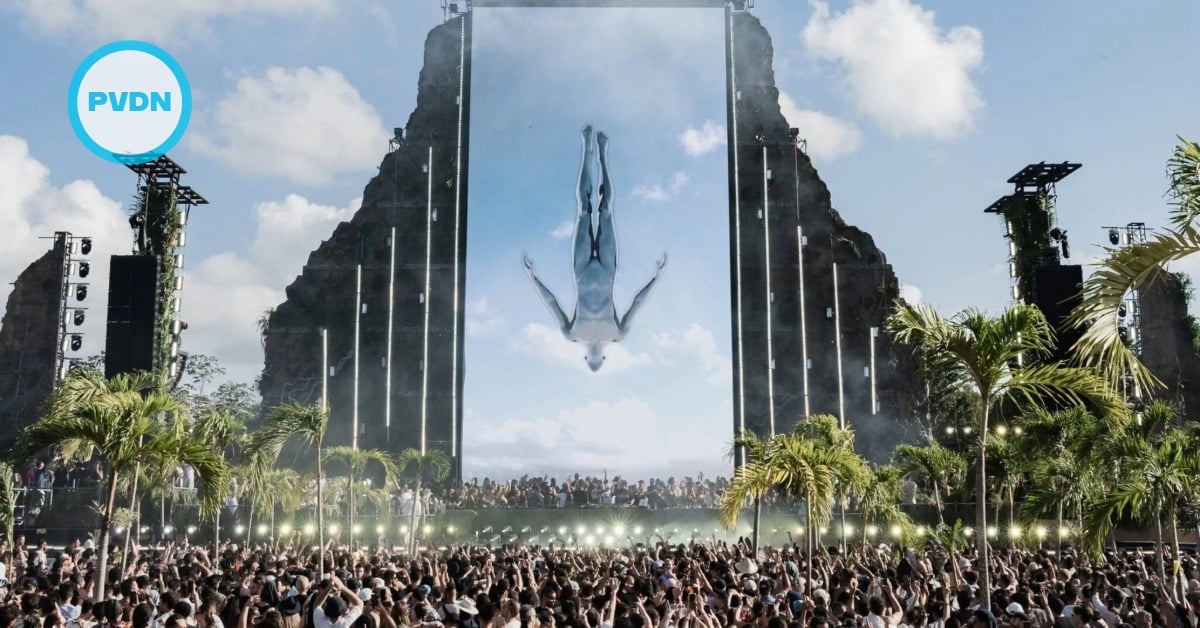
Tulum’s winter may not be quiet after all. Zamna Experience Tulum is rolling out a campaign built around a late-December to mid-January run, with organizers touting a six-figure crowd and a shot in the arm for a destination that stumbled hard this fall. The plan hinges on heavyweight lineups, bundled experiences, and a message aimed at both Mexico and abroad. Can a run of jungle nights flip the narrative from empty streets to sold-out rooms? The stakes—for hotels, bars, and workers—couldn’t be clearer.
Zamna Experience Tulum
Tulum just got its winter headline. The Zamna team is launching a communication push tied to its year-end season and says it expects more than 180,000 attendees over the holidays, with the core run set from December 31, 2025, to January 11, 2026. The claim comes as the beach town wrestles with a steep low-season slump and looks for a fast rebound. The numbers are bold. The timing is strategic. And the strategy is simple—fill nights, fill planes, fill rooms.
According to reporting by El Sureste, Zamna’s institutional relations lead framed the effort as an immersive campaign aimed at national and international travelers, with ticketing already in motion and more announcements promised in the weeks ahead. Organizers project total attendance between 180,000 and 200,000 people across the season, on top of a global reach they say will top a million by year’s end. It’s marketing language, yes—but it signals intent at a moment when the town needs a win.
Zamna’s calendar backs up the pitch. The official events listing shows a stacked run anchored by New Year’s Eve and continuing into early January—names like MRAK on Dec 31 and David Guetta on Jan 2, plus branded nights through the second week of the year. Multipass options and backstage packages are already live, a sign the festival is leaning into longer stays and higher-spend travelers.
Will the crowds actually come
Here’s the context locals already feel: Tulum’s hotel occupancy fell to 49.2% in September, a drop of 17.5 points year over year, according to the Quintana Roo Tourism Ministry data cited by El Economista. The mayor has countered the doom with confidence, saying the slide aligns with the annual low season and projecting a sharp rebound from November into December, even floating peaks near 94% by year’s end. That sets up a clear test: if a marquee festival series can move the needle fast, the broader winter narrative changes, too.
There’s a second, quieter test. Tulum’s brand took hits in 2025—prices, beach-access friction, flight cuts, the usual online pile-on. Big-tent nights can’t solve all of that. What they can do is create reasons to travel now: anchor dates that help visitors commit, programming that pushes stays past a weekend, and packages that make logistics less painful. If those pieces land, bars fill, taxis run, and the late-night taquerías get their line back.
For locals, the upside is real. Winter work is lifeblood for many families, and a festival with gravity can spread income beyond the gates—lodging, food, tours, transport. For visitors, the pitch is simple: fly into the new airport, catch a run of shows, and mix beach days with late nights. If the city and organizers keep the basics tight—security, access, pricing clarity—the upside becomes momentum.