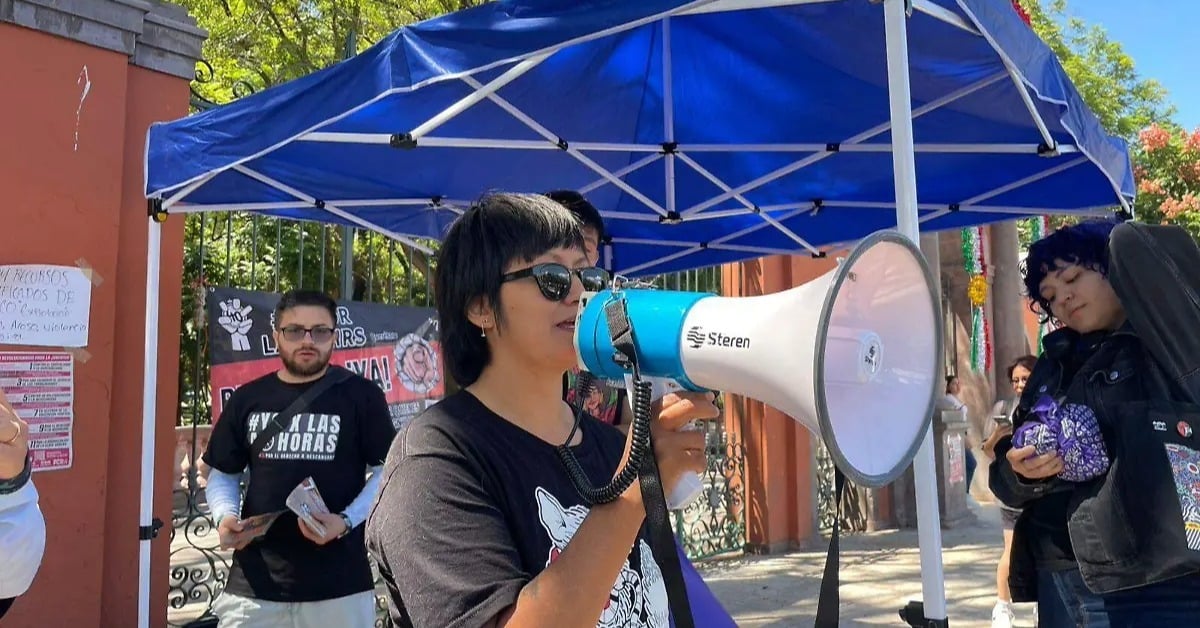
Querétaro workers took their case to the street, stringing a “tendedero” of anonymous complaints across Alameda Hidalgo and inviting anyone to take the mic. Their request is simple: to change Mexico’s 48-hour workweek to a 40-hour workweek with two days of rest. Organizers warned against viral posts claiming the change is already law. It isn’t. The federal government has initiated dialogue tables and promises a gradual approach, while business groups debate the timing and costs. The fight now moves back to Congress—and to public squares like this one.
What happened in Querétaro
On Sunday, local collectives with the Frente Nacional por las 40 Horas held a rally in the Alameda Hidalgo. They posted written complaints on a clothesline, invited workers to speak, and called on Congress to approve a shorter workweek. The action began around 10:30 a.m. and centered on low pay, unpaid overtime, and denied vacations.
Organizers also addressed misinformation. They said posts claiming the 40-hour work week is already approved are false, and urged people to keep pressure on lawmakers. Parallel coverage from Diario de Querétaro described the same “tendedero” protest and open mic format.
Where the reform stands
Mexico has not yet changed the federal 48-hour limit. The Labor Ministry (STPS) launched a series of national forums this summer to develop a consensus plan for achieving 40 hours, with the government framing the shift as gradual and negotiated. Officials have repeatedly emphasized the importance of dialogue with unions and employers to prevent shocks for smaller firms.
Querétaro organizers scheduled Sunday’s rally on the eve of a new federal initiative they expected to be delivered to Congress, a timeline they cited to keep momentum on the street. The detail highlights how public pressure and legislative calendars are now increasingly intertwined.
40-hour workweek in Mexico
The federal push comes after years of stalled bills. A 2023 committee document proposed reducing the weekly cap and guaranteeing two days of rest, but debate continued into subsequent sessions without a floor vote. Lawmakers in 2025 have stated that the shorter week remains a priority and are considering new proposals, including phased options.
STPS says the end goal is 40 hours, reached step by step and by consensus. That framing echoes prior labor changes, such as the minimum-wage drive and the outsourcing overhaul, which the government often cites as proof that gradualism can be effective.
What business and unions are saying
National business chambers have urged caution. Concanaco-Servytur has argued that many service-sector firms are not ready, warning of higher payroll costs if the change moves too fast. Other employer groups have floated phased timelines and sector-specific flexibility. Union voices counter that gradual cuts can begin now without harming productivity if companies plan staffing and protect rest periods.
That tug-of-war is precisely what the Querétaro rally tried to influence: keep the worker at the center while Congress hammers out the details.
How Mexico compares
Mexico consistently ranks among the OECD countries with the most extended annual hours worked. That context is central to the argument from workers who want more time for family, health, and study without losing pay. Internationally, Chile has already enacted a law that reduces its cap to 40 hours by 2028–2029, and Colombia is reducing its cap to 42 by mid-2026. Those examples are shaping Mexico’s debate over pacing and enforcement.
Why this matters locally
Querétaro’s labor market mixes export manufacturing, services, and tech. Many employees already work five days a week, but the legal cap still stands at 48 hours, and enforcement gaps are common in lower-wage sectors. The “tendedero” made those gaps visible. It’s less about slogans and more about everyday life: reaching daycare pickup, creating a clinic visit, or having an actual rest day that isn’t eaten by unpaid overtime. Sunday’s speakers sought to align the law with that reality.
What comes next
The legislative route will determine whether Mexico adopts a single federal cut or a phased glidepath with checkpoints. STPS’s forum summaries indicate a gradual decline in sector dialogue, and lawmakers have invited new proposals. In the meantime, workers plan to continue showing up in plazas, not just for symbolic purposes, but also to document what’s happening inside workplaces now.