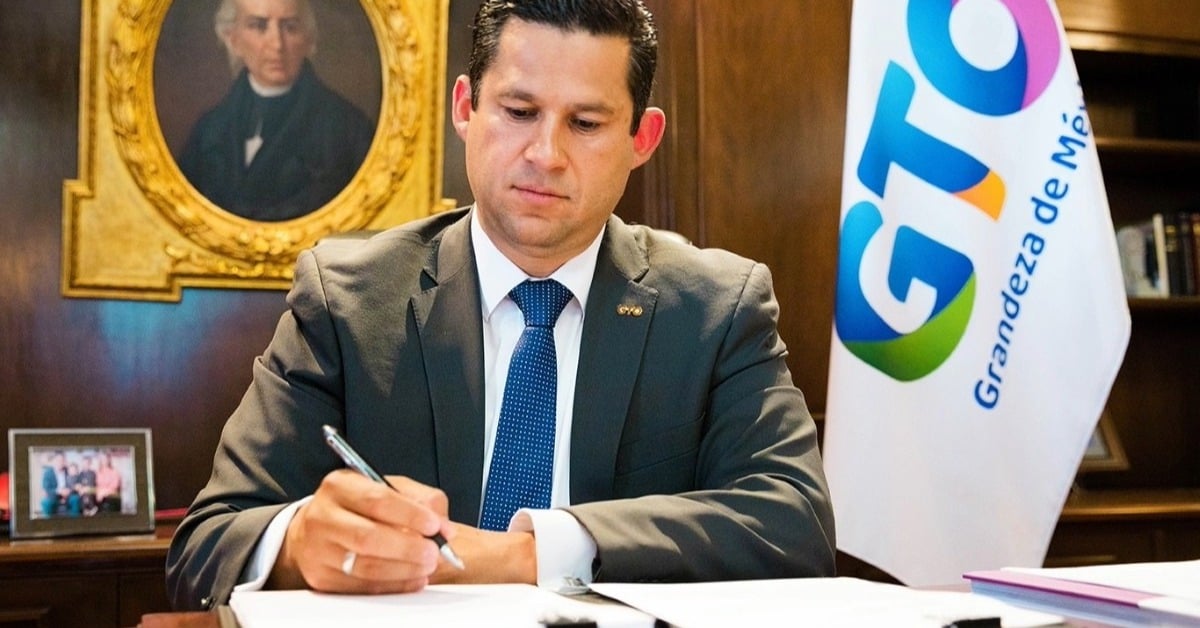
Guanajuato’s Honesty Secretariat says it has initiated 50 audits into possible irregularities during the administration of former Governor Diego Sinhue Rodríguez Vallejo. Investigators are looking at high-profile cases that dominated local politics this year, from the so-called Casa Azul in Texas to youth and addiction-prevention programs. Officials say they are auditing actions, not individuals; the results will be made public after a legal review. What exactly is on the table, who is responsible for what, and how much money is at stake remain the core questions—and the public will want clear answers when the files close.
50 audits into Diego Sinhue administration
Guanajuato’s Secretaría de la Honestidad confirmed that it has opened 50 audits related to the 2018–2024 administration of former Governor Diego Sinhue Rodríguez Vallejo. The agency said findings will be disclosed once each file closes and due-process reviews are complete.
The announcement came from Arcelia María González González, the current head of the Honesty Secretariat, a department created in the new state administration and listed in Guanajuato’s transparency directory. Her team stresses that it is “investigating facts, not people,” a framing she repeated while describing the scope of the probes.
What the state says is under review
While the government has not published a complete list, independent coverage indicates the 50 files include three themes that drew significant public attention this year: the “Casa Azul” property in Texas associated with the former governor’s family, the Planet Youth prevention program, and JuventudEsGTO, the state’s youth agency. A separate local report issued the same day echoed the 50-audit figure and identified the same lines of inquiry.
Officials say outcomes will be released after legal vetting. That means residents will have to wait for resolutions, but it also signals the files are far enough along that publication is expected once due process is satisfied.
The Casa Azul case and the Seguritech backdrop
The Casa Azul story erupted in June after a cross-border investigation by POPLab and CONNECTAS reported that the former governor’s family was living in a home in The Woodlands, Texas, linked through a company to a figure with ties to Seguritech, a technology contractor during his term. The property was valued at over $1 million, according to multiple outlets that reviewed real estate records.
In early July, the state confirmed it had opened an internal review on the matter. Rodríguez Vallejo responded publicly, denying that he owns or lives in the house and saying his family rents accommodations while studying in the United States. That denial is part of the official record and frames how investigators will weigh documents, contracts, and any conflict-of-interest claims.
The Seguritech thread predates Casa Azul and has long been politically charged in Guanajuato. Local reporting documents calls to open or unseal contracts signed across two administrations, as well as arguments that those contracts had already undergone extensive audits. Those debates now form the context for any audit that involves security technology spending.
Planet Youth and JuventudEsGTO: promised prevention, pending answers
The Planet Youth model, imported from Iceland to reduce youth substance use, became one of the state’s signature social programs. Lawmakers requested that the Auditoría Superior del Estado de Guanajuato (ASEG) include a financial and compliance audit of Planet Youth, covering the period from 2021 to 2024, in its 2025 oversight plan, citing concerns about cost and transparency. A state health report for 2024 also flagged operational gaps in risk planning and organizational structure inside the program.
Meanwhile, JuventudEsGTO faces scrutiny over alleged irregularities in hundreds of contracts. The Honesty Secretariat has stated that resolutions are in progress, and the movement of former officials has drawn criticism as the audit proceeds. These program-level audits are among the most closely watched because they directly address how public money reached—or failed to reach—young people.
Why this matters to residents
For people in Guanajuato, the question isn’t only whether rules were broken. It is whether public money was deployed in ways that delivered results in schools, clinics, and neighborhoods—or diverted by design or neglect. The 50 audits serve as a test of the new government’s promise to run a transparent and accountable administration. Still, they also represent months of painstaking document work that must culminate in transparent, public explanations.
Two things can be true at once: allegations can be politically weaponized, and audits can surface genuine failures. The state says it will publish outcomes only after legal checks. That sequence gives each party a chance to respond to findings and reduces the risk of premature claims that can collapse in court. It also demands patience from citizens who, after years of headlines, want specifics—dates, pesos, names, and remedies.
What to watch next
Expect staggered announcements as files close. Watch for whether the state refers any cases to prosecutors, whether ASEG integrates Planet Youth into its 2025 fieldwork as requested, and whether the Casa Azul case leads to contract transparency moves around Seguritech. Most of all, watch whether findings translate into recovery of funds, sanctions, or structural fixes that residents can feel. Anything less will be perceived as another news cycle without resolution.