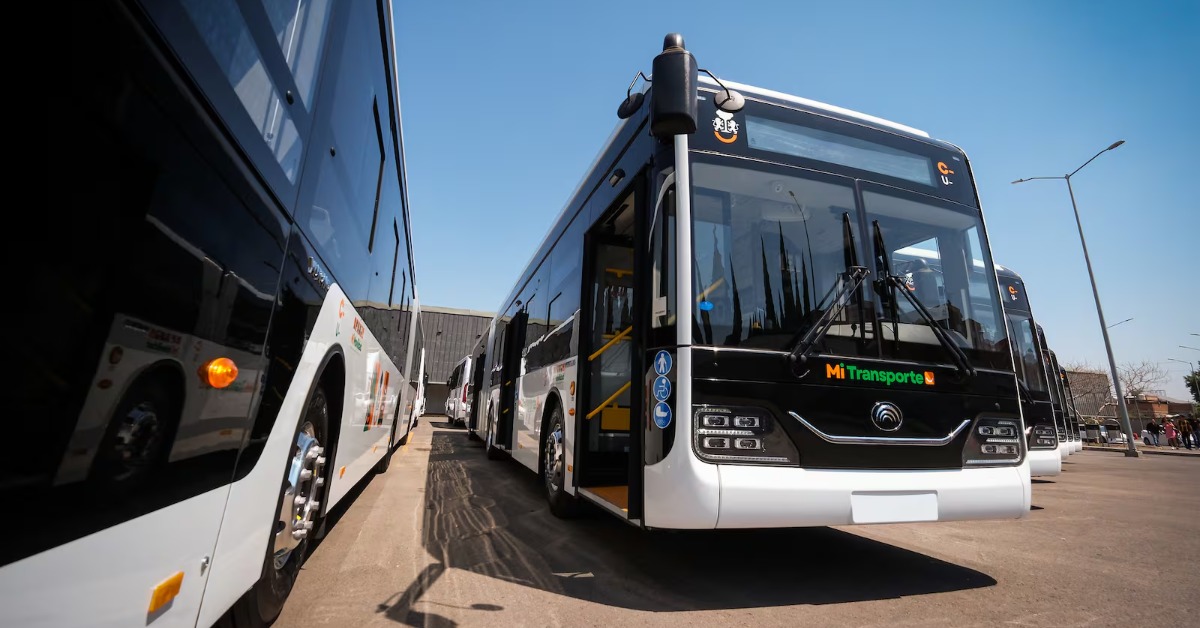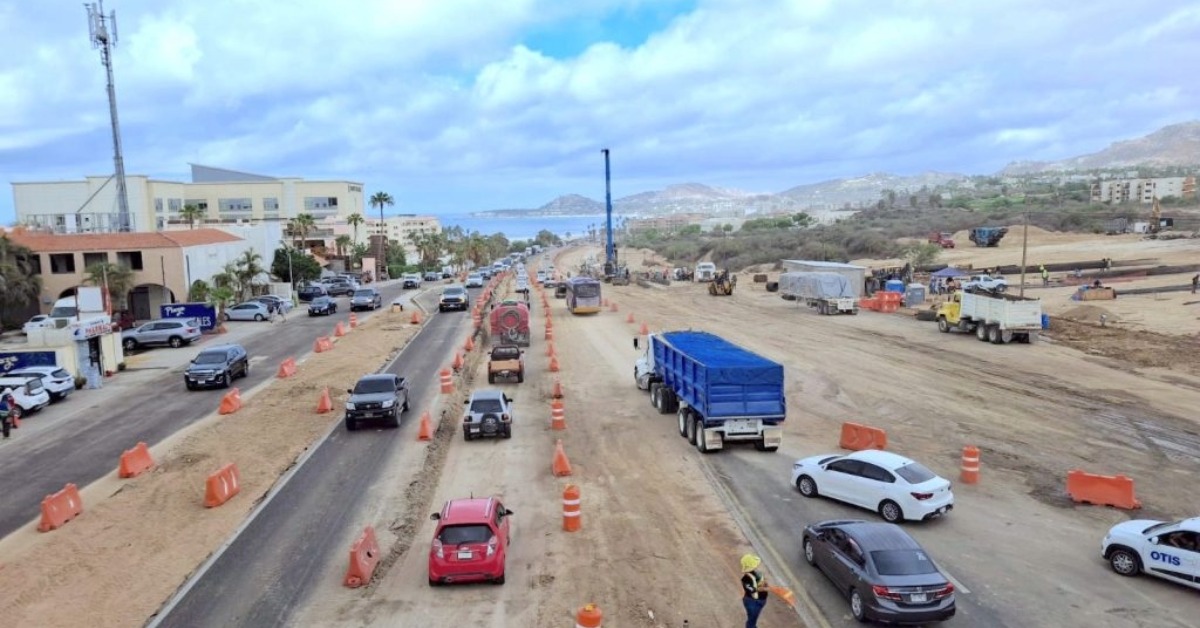
The new traffic lights at the former Fonatur roundabout point to a larger problem in Los Cabos. Airport traffic, hotel-zone trips, worker commutes, and visitor transportation all depend on a limited road network. When one point slows down, the delay can spread quickly. The issue is no longer only about rush hour. It affects errands, airport pickups, work schedules, and daily planning for residents across the municipality.
A new traffic signal at a crowded junction
The new traffic lights at the former Fonatur roundabout in San José del Cabo are tied to one of the busiest road points in Los Cabos.
The junction connects traffic moving toward the San José del Cabo airport, the hotel zone, Cabo San Lucas, and San José del Cabo. It also handles local drivers, workers, taxis, shuttles, delivery vehicles, and visitors who may not be familiar with the area.
That mix creates pressure at the same point throughout the day. Morning commutes, airport arrivals, hotel transfers, and afternoon traffic can overlap.
For drivers, the change may look simple. The larger issue is what made the lights necessary. Los Cabos traffic is now a daily quality-of-life problem, not only a seasonal inconvenience.
The corridor leaves few backup options
Los Cabos depends heavily on the highway corridor between Cabo San Lucas and San José del Cabo.
That layout gives drivers fewer ways around a delay. In larger cities, traffic can often spread across several parallel routes. In Los Cabos, many trips eventually return to the same highway or the same connecting junctions.
A crash, lane closure, work zone, or poorly timed signal can slow more than one neighborhood. Delays can also affect airport access, hotel transportation, and local errands.
The former Fonatur roundabout sits where several of those trips meet. That makes it a traffic problem and a planning problem.
Tourism adds traffic, but residents carry the burden
Visitor traffic is part of the problem, especially near the airport, hotel corridor, and tour routes.
Tourists move through the area in shuttles, rental cars, taxis, private vehicles, and app-based rides. Many of those trips happen during airport arrival windows or hotel check-out times.
Residents and workers use the same roads. Hotel employees, restaurant workers, construction crews, maintenance staff, and service providers often commute between communities.
Their trips can line up with visitor traffic during the busiest parts of the day. A worker trying to reach a shift and a family heading to the airport may be stuck in the same lane.
This is where tourism growth becomes a local issue. The jobs may be concentrated near the coast, but the daily movement spreads across the municipality.
Airport traffic moves directly onto local roads
The Los Cabos airport corridor raises the pressure because airport traffic feeds into roads that residents also use.
Arriving passengers do not stay at the terminal. Their trips continue by van, taxi, bus, rental car, or private driver. Many head toward the hotel zone or Cabo San Lucas.
That puts airport traffic into the same system used for grocery trips, medical appointments, school runs, and commutes.
For foreign residents and retirees, the effect is practical. A short errand can take longer than expected during peak traffic. Airport pickups need more planning. Appointments can be harder to time.
The problem is not only the number of visitors. It is the way airport, hotel, and local traffic meet on the same limited roads.
Road work can ease a choke point, not erase growth
The Fonatur-area project is designed to improve flow and safety at a difficult junction. The work includes changes to vehicle movement, signals, pedestrian areas, lighting, and related road features.
Those changes may reduce confusion and help drivers move through the area more orderly.
But one project cannot solve the wider pattern. More flights, more hotel rooms, more workers, and more vehicles will continue to use the same corridor.
Signals can help manage traffic. They can also create new delays if timing is poor or drivers ignore the rules.
The next test will be for daily use. If the lights are well synchronized and enforced, the junction may work better. If not, the roundabout could remain a pressure point.
Housing and commuting are part of the traffic story
Los Cabos traffic is also tied to where people can afford to live.
Many workers do not live near the hotels, restaurants, and service areas where they work. Housing costs and limited rental availability push daily commutes to longer distances.
That turns the road system into part of the labor system. The tourism economy depends on workers who must travel through the same congested points every day.
Longer commutes affect more than traffic counts. They affect work schedules, household time, transportation costs, and staffing.
For residents, the result is less predictable movement. A trip that should take 20 minutes can change quickly if one junction backs up.
What the Fonatur lights show
The new traffic lights at the former Fonatur roundabout show how fast Los Cabos has outgrown parts of its road network.
The lights may improve one problem area. They also show that traffic management is now part of daily planning in the municipality.
The larger issue is whether road design, public transportation, worker housing, and tourism growth can be handled together.
For now, residents and visitors will continue to share the same limited routes. That is why Los Cabos traffic remains one of the most visible signs of the pressure behind the destination’s growth.