Mérida’s growth is often discussed in terms of housing, traffic, and new development. But the larger issue is harder to see until something fails. Low water pressure, power outages during heat, road work, bus changes, and public safety coverage all point to the same question. Can assumptions about older infrastructure keep pace with a metro area growing faster than its basic systems were built to handle?
Mérida’s Growth Problem Is Really a Water, Mobility, and Power Problem
Mérida’s growth problem is not only visible in new subdivisions, busier roads, or longer commutes. It is also showing up in the systems residents depend on every day: drinking water, electricity, roads, buses, hospitals, and police coverage.
That makes the current debate bigger than a single project or agency. The proposed metropolitan plan, the loan debate, the bridge work, the ATY reform, and the electricity shortages all point to the same issue. Mérida is outgrowing older assumptions about how the metro area works.
For English-speaking residents, this matters in practical ways. A city can look orderly on the surface while its hidden systems are under pressure. Water pressure, power reliability, and road capacity are often noticed only when they fail to work as expected.
Growth Is Testing the Systems People Do Not See
Fast growth does not strain just one part of a city. It spreads pressure across several systems at once.
More housing can mean more demand for drinking water. More residents can mean more vehicles on the same roads. More heat can increase electricity use. More neighborhoods can require wider police coverage and more public services.
The result is a set of problems that may look separate. A power outage, a traffic delay, a water-pressure issue, and a bus-route change may not seem connected. But in a growing metro area, they can all reflect the same basic challenge.
Mérida’s infrastructure was built around earlier patterns of growth. When a city expands, those patterns change. Service routes stretch farther. Roads carry different traffic. Power demand rises in more places. Public agencies must cover larger areas with systems that may not have been planned for that scale.
Water, Power and Roads Are Now Part of the Same Debate
The current conversation around Mérida includes water pressure, electricity shortages, bridge work, and mobility reform. These are not identical problems, but they affect the same residents.
A household may experience growth through low water pressure. A commuter may feel it through road work or slow bus service. A business may see it through power interruptions during the heat. A neighborhood may feel it through slower emergency response or thinner police coverage.
That is why the issue is better understood as a metro-area capacity problem. It is not just about whether one street, one route, or one utility line is working. It is about whether the region’s basic systems can keep pace with the number of people using them.
The proposed metropolitan plan is important for that reason. A city that grows beyond its old boundaries needs planning that matches how people actually live, work, and travel. The loan debate adds another layer because infrastructure requires funding, and funding choices become political choices.
Mobility Is About More Than Traffic
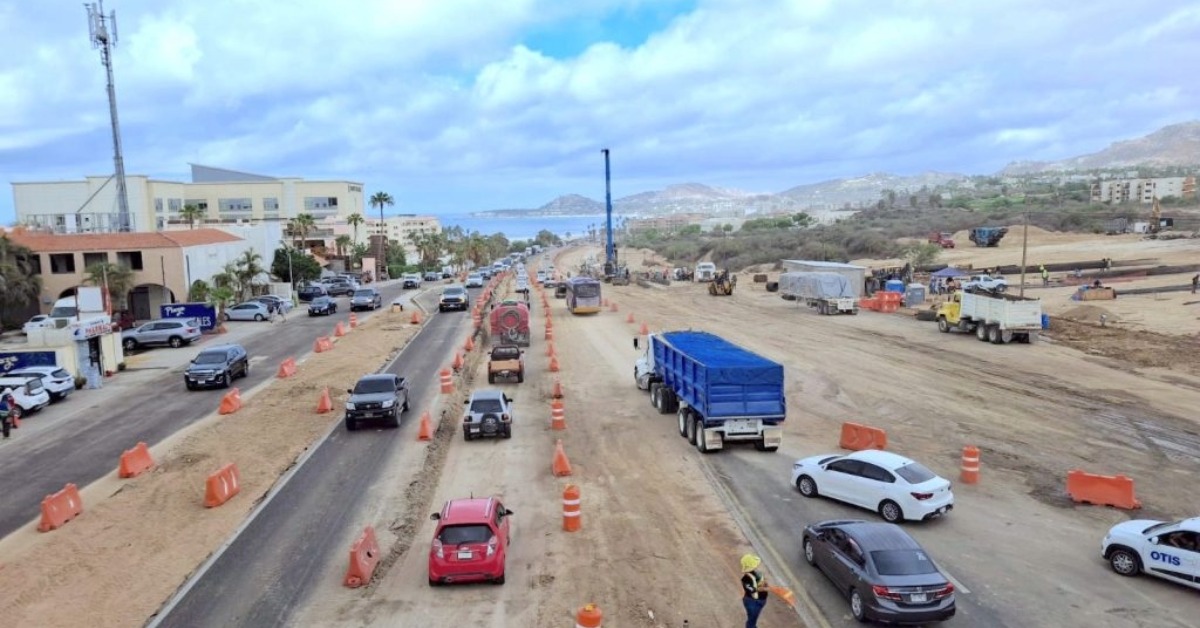
Traffic is usually the most visible sign of growth. Roads fill up. Bridge work creates delays. Drivers change routes. Commutes become less predictable.
But mobility also includes public transport. ATY reform places buses and transit service in the same broader discussion as roads and bridges. If bus service does not keep up with where people live and work, more residents may depend on private vehicles. That can make traffic worse.
For foreign residents who do not drive, the issue can be immediate. Public transport reliability affects access to doctors, stores, government offices, work, and social life. When routes change or service becomes strained, daily planning becomes harder.
Roads, bridges, and buses should be viewed together. A growing city cannot solve mobility issues through roadwork alone. It also needs transport systems that match new population patterns.
Heat Turns Infrastructure Strain Into Daily Disruption
Electricity shortages during the heat show how the weather can expose weak points in a growing city.
When temperatures rise, power demand rises too. More homes and businesses use fans, air conditioning, and refrigeration. If demand pushes the system too hard, residents may see outages or unstable service.
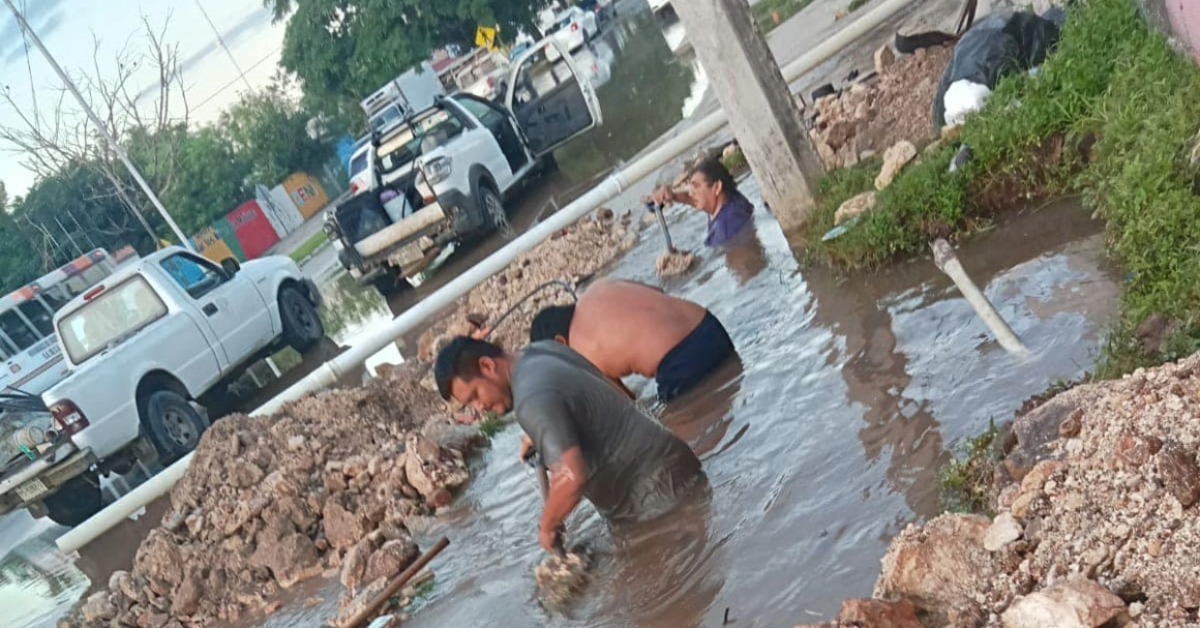
Water systems can also become more noticeable during the heat. Low pressure is harder to ignore when households need more water and neighborhoods are using the system simultaneously.
These are not abstract planning concerns. They affect comfort, health, food storage, work routines, and the ability to rest. For retirees and residents working from home, even short disruptions can create real problems.
Who Controls the Systems Is Part of the Story
One reason infrastructure problems are hard to follow is that responsibility is often split.
Water, transport, roads, electricity, hospitals, and police coverage are not controlled as one simple system. Different agencies, levels of government, and public bodies can be involved. That makes accountability harder for residents to understand.
This is where reporting should focus next. Which agencies control water service, transport planning, and road work? Which projects are already funded? Which are only proposed? Which are politically contested?
Those questions matter because residents often see the disruption before they see the decision-making behind it. A road closure, outage, or water-pressure problem is the public-facing result. The planning and funding decisions usually happen earlier.
Mérida’s Growth Is Now a Service Capacity Question
Mérida’s growth is often described in terms of population, real estate, and investment. But the more durable story is service capacity.
Can the metro area move people efficiently? Can it supply water reliably? Can the power system handle heat-driven demand? Can hospitals and police coverage keep pace with new growth patterns?
The answer will depend on planning, funding, and coordination across public systems. The proposed metropolitan plan, the loan debate, the bridge work, the ATY reform, and the electricity shortages are separate developments. Together, they show why Mérida’s growth is now an infrastructure story.