A World Cup-era Adidas collection tied to Mexico’s national soccer team is drawing criticism after claims that artisans from Naupan, Puebla, were paid low hourly wages and asked to work outside their traditional textile practices. The dispute reaches beyond one jersey. It touches on how global brands use Indigenous culture, how artisans are paid, and how Mexico protects community heritage when handmade work becomes part of commercial fashion.
Adidas collection draws questions over artisan work
A special Adidas collection tied to Mexico’s national soccer team is facing criticism over claims of labor abuse and harm to Indigenous textile traditions in Puebla.
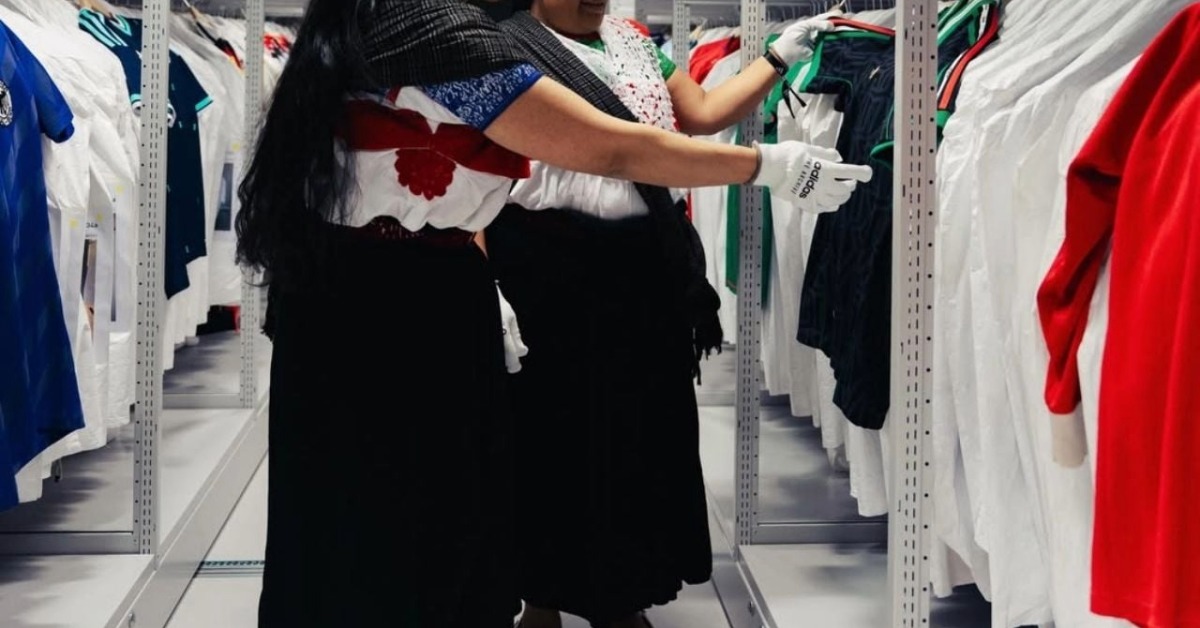
The allegations center on artisans from Naupan, a municipality in the Sierra Norte of Puebla. The women worked on pieces connected to the black third jersey and related clothing made for Mexico’s national team ahead of the 2026 World Cup.
The collection was created with Someone Somewhere, a Mexican brand known for products that include artisan work. Adidas has promoted the line as a celebration of Mexican roots, tradition, and national pride.
The dispute is not only about one soccer jersey. It also raises questions about how large companies use Indigenous cultural identity in products sold to national and international consumers.
What the allegations say
The main allegations come from Tatiana Bernaldez, a specialist in textile symbolism from Naupan. She said the artisans were paid about 36 pesos per hour to work on the collection.
She also alleged that the women were asked to use techniques that do not reflect the traditional textile practices of Naupan. According to the complaint, the collection used contemporary embroidery methods instead of local techniques such as hilo contado or pepenado.
The criticism also points to the use of symbols presented as Indigenous or Nahua cultural elements. Bernaldez said some of those images do not belong to Naupan’s own textile tradition.
That distinction matters because Indigenous designs are not only decoration. In many communities, textile work carries family memory, regional identity, and knowledge passed through generations.
Adidas promoted the line as a tribute to Mexican roots
Adidas describes the Someone Somewhere collection as inspired by Mexico’s cultural richness. The company says each piece transforms tradition into a contemporary expression meant to carry Mexican identity to the world.
Someone Somewhere’s website listed several Adidas collaboration products, including a jersey priced at 3,999 pesos, a jacket priced at 4,999 pesos, and other pieces tied to the Mexico team collection.
Some items appeared as sold out shortly after the launch. The limited nature of the collection draws public attention to how the work was produced and how the artisans were compensated.
For many readers in Mexico, the case may feel familiar. Several fashion and retail brands have faced criticism in recent years for using Indigenous designs without clear consent, credit, or fair benefit for the communities involved.
Mexico has legal protections for Indigenous heritage
Mexico has a federal law that recognizes the cultural heritage and collective intellectual property of Indigenous and Afro-Mexican peoples and communities.
That law is part of a larger effort to address the commercial use of traditional designs, patterns, symbols, and knowledge. It reflects a growing public debate over who benefits when community heritage becomes a brand asset.
The Adidas case comes less than a year after another controversy involving the company. In 2025, Adidas apologized to a Zapotec community in Oaxaca after criticism over the “Oaxaca Slip-On,” a sandal design accused of drawing from traditional huaraches without proper consent.
That earlier case shows why the current Puebla allegations are likely to draw broader attention. The issue is not only whether a brand gives visibility to artisans. It is also whether that visibility comes with fair pay, consent, and respect for the meaning behind the work.
A World Cup market with cultural stakes
The timing increases the pressure. Mexico is preparing to co-host the 2026 World Cup, and national team merchandise is expected to be part of a large commercial wave tied to the tournament.
Products connected to the national team carry emotional weight. They are sold not only as sportswear but as symbols of national pride.
That makes Indigenous-inspired designs especially sensitive. When companies use community identity in high-profile products, the public often expects more than credit lines or campaign videos.
The questions now are direct. Were artisans paid fairly? Were community practices represented accurately? Did the people behind the work have real control over how their culture was used?
As of publication, no public response addressing the specific allegations was found from Adidas or Someone Somewhere.