Amazon Web Services will fund Amazon leak detection in Querétaro using Aquestia pressure-management hardware across 11 district metering areas. Officials say the project will deliver immediate savings by lowering pressure where it isn’t needed, cutting losses without waiting for major pipe work. The investment dovetails with AWS’s Mexico data region and its water-positive pledge, with projects in Mexico City and Monterrey using Xylem systems. Querétaro’s water utility logs thousands of leaks each month; state leaders say this rollout could recover millions of liters while the network gets long-overdue fixes.
Amazon leak detection in Querétaro
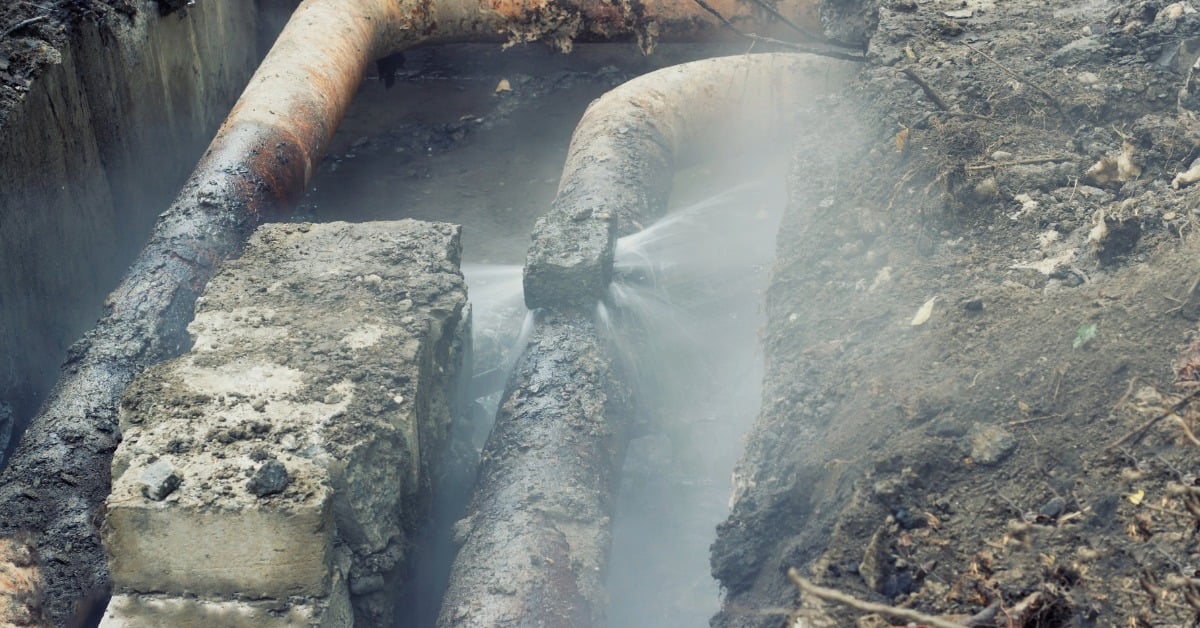
Amazon will pay to install leak-detection and pressure-control technology in 11 district metering areas across the Querétaro metro. State officials and Amazon Web Services confirmed the plan after meetings with the water utility. The rollout utilizes Aquestia valves and controllers to manage pressure within small, isolated zones, where losses increase significantly when pressure levels rise. In practical terms, it’s a fast way to claw back water without digging up long stretches of pipe.
The state framed the move as part of a broader partnership with AWS as the company scales up in Querétaro. Local reports note the program’s first phase will focus on sectors with chronic bursts and nighttime over-pressure. The goal is to stabilize flows, cut bursts, and shorten repair backlogs.
Why pressure—not just pipes—matters
Non-revenue water is a silent drain on Mexican cities: the gap between the water pumped and the water paid for. Much of it is physical leakage. When utilities divide networks into district metering areas, they can measure the inflow precisely, compare it to the billed use, and identify hidden leaks or breaks. Pressure is the lever. Lower it during off-peak hours, and you reduce both background leakage and catastrophic bursts. In DMAs, changes appear quickly, so crews know where to look and when to intervene.
Querétaro has the problem in plain view. The state water commission reports thousands of leaks every month and aims to fix most within 24 hours. Pressure management won’t replace pipe renewal, but it buys time: fewer bursts, fewer emergency truck rolls, more stable service.
What AWS is bringing—and what it expects back
AWS says Mexico is now central to its water strategy. Company executives describe three linked projects: pressure management in Mexico City and Monterrey using Xylem systems, and DMA pressure control in Querétaro with Aquestia. Together, Amazon estimates the Mexico portfolio could recover on the order of billions of liters per year once scaled. The company also states that its Mexico (Central) Region in Querétaro is now live and is pursuing a water-positive target by 2030, meaning it returns more water to communities than its operations consume.
Querétaro officials have emphasized this message, arguing that the local program will return more water than AWS uses and that the company has opted for air-cooled designs that avoid continuous water draw for data center cooling in the state’s climate. That’s not a free pass—residents deserve transparent reporting—but it’s a concrete commitment to lower operational demand while funding community savings.
What changes for residents
If you live in one of the 11 sectors, you may notice steadier pressure and fewer unexpected outages as valves modulate the flow. Pressure control also tends to reduce the nighttime spikes that rupture weak points in older lines. Over months, the utility can re-target crews from emergency repairs to planned renewals. The signal is simple: bring losses down now, then replace the worst pipe with the savings.
For Querétaro, which sits in a water-stressed region, quick wins are crucial. Pressure management won’t end scarcity, but it can stretch supply while new mains, storage, and treatment facilities catch up.
The money, scale, and next steps
Local officials have estimated the first-phase expenditure at approximately US$600,000, with the system initially serving 11 zones. Early state estimates suggest well over 100 million liters a year could be saved just from pressure-based detection and control in these sectors. In parallel, Mexico City’s secretary for water management cited early results from a pilot where instrumentation and pressure control already recovered measurable flows serving tens of thousands of residents, with a second phase funded to automate a central subsystem.
The test for Querétaro will be simple accountability: publish sector-by-sector baselines, show recovered flow over time, and reinvest savings into pipe renewal. If the numbers hold, expect more DMAs to follow.