Mexico is pressuring two allies simultaneously over the Ayotzinapa case. Officials say they’ve re-upped their demand that Israel send back former top investigator Tomás Zerón, while also asking Washington to hand over two suspects believed to be in the United States. The timing isn’t accidental. As the 11-year mark arrives, families are growing louder, protests have reignited, and pressure is shifting from rhetoric to concrete requests. Whether Israel and the U.S. move will signal how much leverage Mexico really has.
Mexico is intensifying its pressure abroad as the Ayotzinapa extradition push enters a new phase. President Claudia Sheinbaum confirmed her government has reiterated its demand to Israel for the return of former Criminal Investigation Agency chief Tomás Zerón, and has formally asked the United States to extradite two additional suspects tied to the 2014 disappearance of 43 students. The message is blunt: high-profile fugitives are now a bilateral test, not just a domestic scandal.
Ayotzinapa extradition push
Zerón has lived in Israel for years while facing Mexican charges that include torture and obstruction linked to the original probe. Mexico’s Foreign Ministry has pursued his case since 2020 and says it has kept Israel apprised through formal channels. Sheinbaum’s team says new letters were sent again, underscoring that the request remains active. Israel has not publicly committed to a timeline, while past reporting indicates Zerón sought asylum there.
On the U.S. front, Sheinbaum raised the case with Secretary of State Marco Rubio during a September bilateral meeting and later informed families that she had requested two extraditions from Washington. Officials have not named the pair, citing the need for due process. Separate coverage in Mexican media has consistently pointed to a judge, José Ulises Bernabé García, as a person of interest who entered the U.S. in 2015 and sought asylum after immigration authorities moved to expel him. The administration has not confirmed whether he is part of the current request, but families continue to invoke his name in protests.
Protests, timelines, and leverage
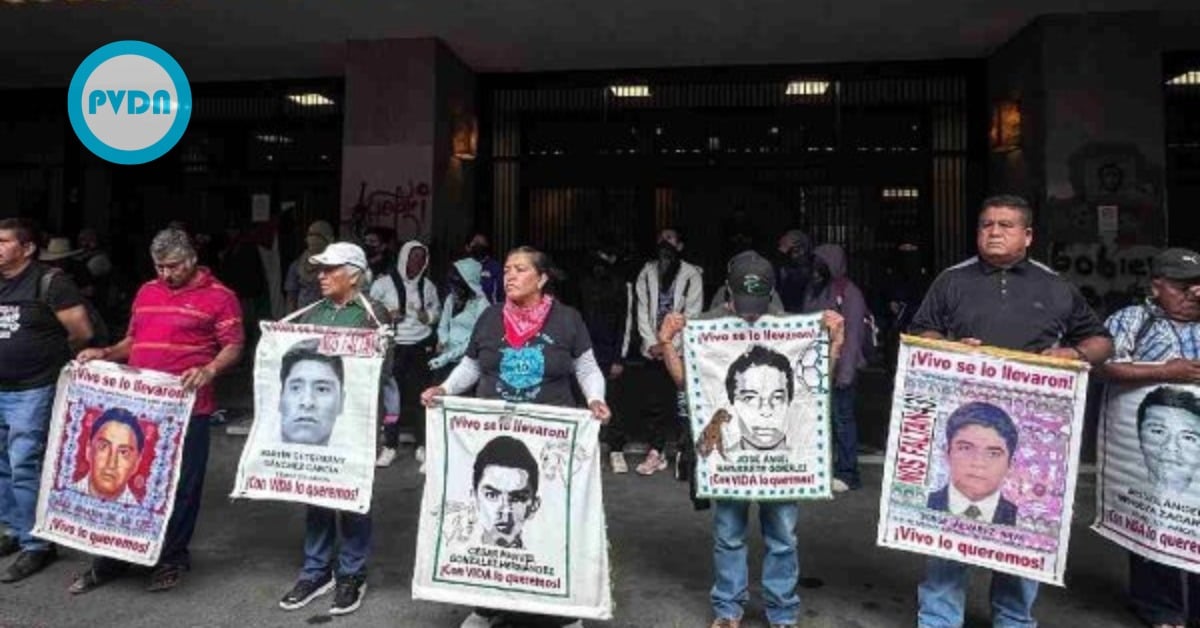
The renewed push lands as anger over stalled answers grows. Demonstrators reignited protests this week ahead of the 11-year milestone, demanding the extraditions and fuller military records from the night of the crime. The optics matter. Mexico argues it has extradited dozens of high-value defendants to the U.S. in recent years and wants reciprocity on cases it deems “very relevant” at home. How Washington and Jerusalem respond will shape public perceptions of Sheinbaum’s promise to deliver accountability where prior efforts fell short.
For families, movement abroad must translate into movement at home: more files opened, more names named, fewer procedural delays. For Mexico’s partners, the decisions are as much legal as they are political. Israel must weigh a pending asylum history against a detailed case file; the United States must navigate its own due-process rules and treaty obligations. For Mexico, the measure is simple—do the requests become arrests and court dates, or another round of letters filed, with no plane tickets issued.