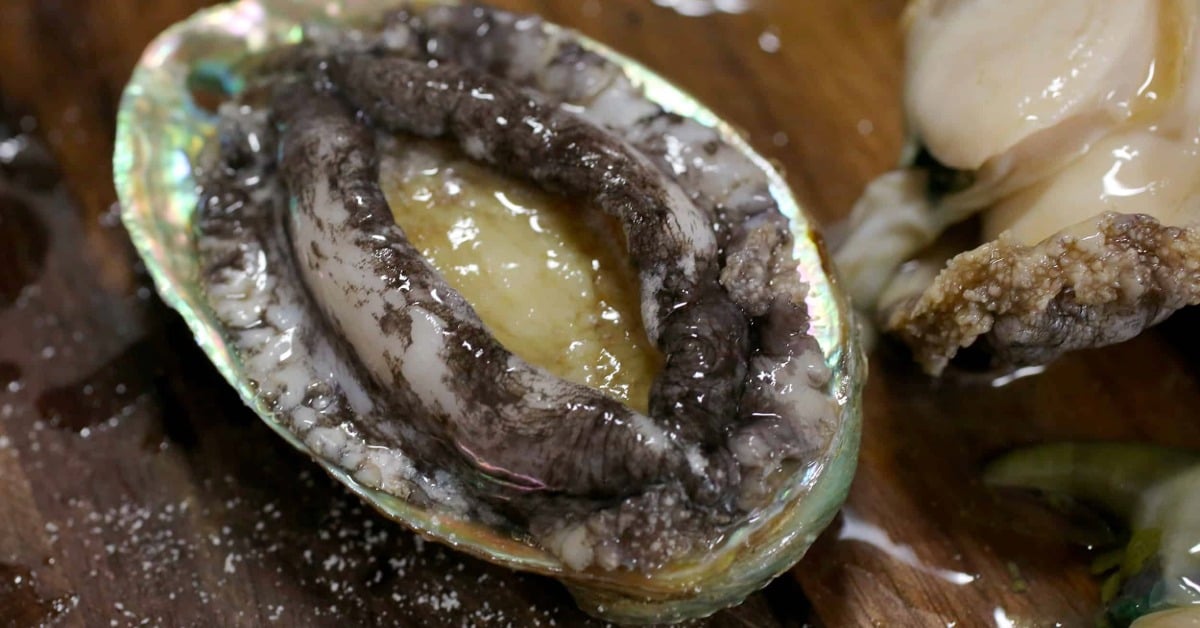
Baja California Sur’s abalone boats are standing down. The Baja abalone ban began this month, a seasonal closure aimed at protecting the blue and pink abalone that help sustain coastal towns like La Bocana and Punta Abreojos. Officials say the state now produces more than 100 tons each year, much of it bound for Asia, yet the resource remains vulnerable to warming seas and poaching. The pause is a test of Mexico’s co-management model: science-based closures, vigilant enforcement, and local cooperatives that have kept this fishery alive.
Baja abalone ban
Baja California Sur entered its abalone closed season at the start of September. Conapesca confirmed the pause and urged producers to refrain from harvesting while the ban is in effect. The state amplified the notice, informing coastal communities that the closure aims to protect the stock during the spawning months.
Abalone remains an economic pillar for northern Pacific towns. State figures attribute more than 100 tons of annual production—predominantly blue abalone—to Baja California Sur, with most shipments headed to China, Singapore, Taiwan, and Japan. Authorities value the activity at about 66 million pesos and say it supports 400+ fishing workers.
What the closure covers
Mexico manages abalone by zones along the Pacific coast of the peninsula under NOM-005 and subsequent agreements. In Baja California Sur, Zones II and III are closed from September 1 through January 31, and Zone IV from October 1 through February 28. Those dates align the break with peak reproductive windows and reopening in late winter.
The closure applies to several species present off Baja Sur—Haliotis fulgens (blue/green abalone), H. corrugata (pink/yellow, locally), and, farther north, H. rufescens and H. sorenseni. Mexico’s regulatory files list these species in the abalone complex covered by federal rules.
Why this pause matters now
“Veda” isn’t a bureaucratic box to check. It’s a conservation tool designed to protect spawning and recruitment, which is why the calendar matters. Conapesca’s guidance spells out that bans are imposed to safeguard reproduction and future cohorts—precisely the goal in Baja Sur as waters warm and stress the stock.
The peninsula’s cooperatives have a long track record of co-management—no-take reserves, quotas, and strict oversight—especially in the Vizcaíno region communities of Punta Abreojos, Bahía Asunción, La Bocana, and Isla Natividad. Studies and field reporting document how that model helped stabilize benthic fisheries after past shocks.
Industry reality during the ban
The break doesn’t silence all activity. Baja Sur has also invested in abalone aquaculture. A farm in La Bocana—operated for roughly a decade—reports about 20 tons a year, with sales to China. While aquaculture won’t replace wild harvest, it buffers income and can ease pressure on natural banks when the fleet ties up.
When the ban lifts, the wild season resumes under quotas and size limits set with scientific input from Mexico’s fisheries research institute, now known as IMIPAS (formerly Inapesca). The institute’s role is to provide the technical opinions that underpin closures and total allowable catches.
Enforcement and risks
Authorities say the fight against illegal fishing has intensified nationwide this year, with joint Conapesca–Navy operations seizing contraband gear and product across multiple states. Strong patrols during the ban are critical because high prices can tempt poachers when legal boats are idle.
Coastal communities also face ecological pressure. Research around Isla Natividad documented mass abalone die-offs during past warm-water events, followed by recovery where cooperatives enforced reserves and temporary closures. That history serves as both a warning and proof that disciplined management is effective.
The outlook
For Baja Sur’s abalone towns, the closure is a promise: short-term pain for long-term stability. It protects the year’s spawn, helps rebuild biomass, and supports a fishery whose value flows through ice plants, processors, and export brokers. The test over the next five months is compliance—on the water, at landing sites, and along export chains. If the model holds, the season that reopens in late winter will do so on a stronger biological footing, with communities ready to work again.